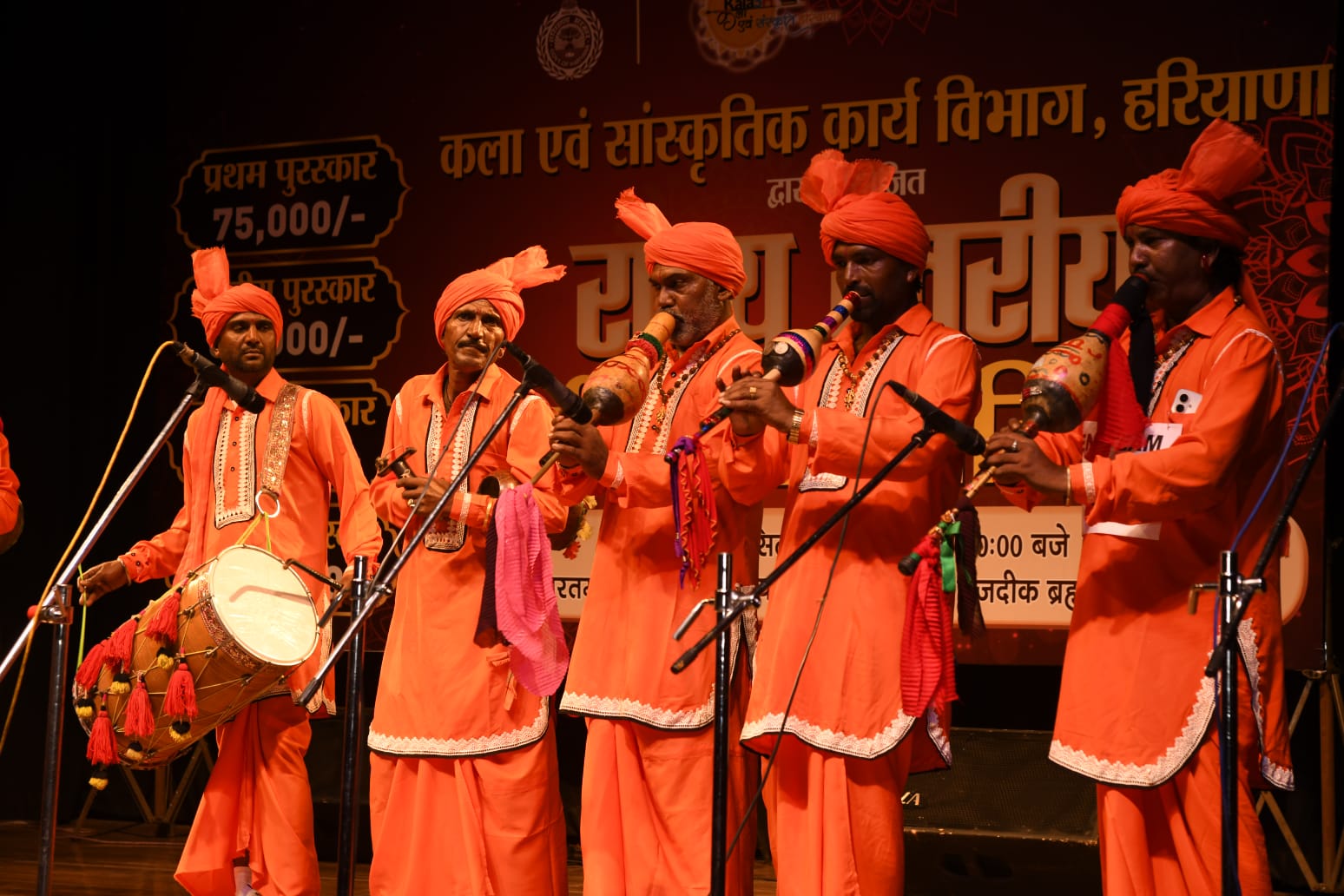
Artists perform traditional Haryanvi music during the state-level Been competition at Kala Kirti Bhawan, Kurukshetra.
27 traditional Been Sapera groups from across the state showcase the richness of Haryana’s folk heritage at Kala Kirti Bhawa
PEN OF DEMOCRACY NEWS DESK KURUKSHETRA
Haryana’s rich folk traditions and cultural heritage came alive at Kala Kirti Bhawan in Kurukshetra as the Department of Art and Cultural Affairs, Haryana, organised a state-level Been competition aimed at preserving, promoting and strengthening the state’s traditional folk arts. Held under the directions of Chief Minister Nayab Singh Saini, the competition brought together 27 leading Been Sapera groups from different districts of Haryana, offering audiences a vibrant display of traditional music, costumes and cultural expression.
The event provided a major platform for folk artists associated with the traditional Been musical tradition to showcase their talent before an audience and a panel of distinguished judges. The participation of artists from different parts of Haryana highlighted the continuing presence of the state’s folk traditions and the importance of providing opportunities for traditional performers to remain connected with their cultural roots.
The atmosphere at Kala Kirti Bhawan turned lively as artists dressed in traditional Haryanvi attire began their performances. The melodious sounds of the Been, Tumba, Dhol and Bansuri filled the venue, drawing enthusiastic applause from the audience. The performances reflected the distinctive character of Haryana’s folk culture and demonstrated how traditional musical forms continue to retain their appeal even in an era of rapid modernisation.
The Department of Art and Cultural Affairs has announced substantial prize money for the competition as an incentive for folk artists and to encourage continued engagement with traditional cultural forms. The first prize has been fixed at ₹75,000, while the second prize carries ₹60,000 and the third prize ₹50,000. In addition, five consolation prizes of ₹10,000 each have been announced.
The prize structure was designed to recognise artistic excellence while also motivating traditional performers to continue practising and presenting folk art. Such recognition can provide encouragement to artists who have preserved traditional forms through generations and continue to introduce them to contemporary audiences.
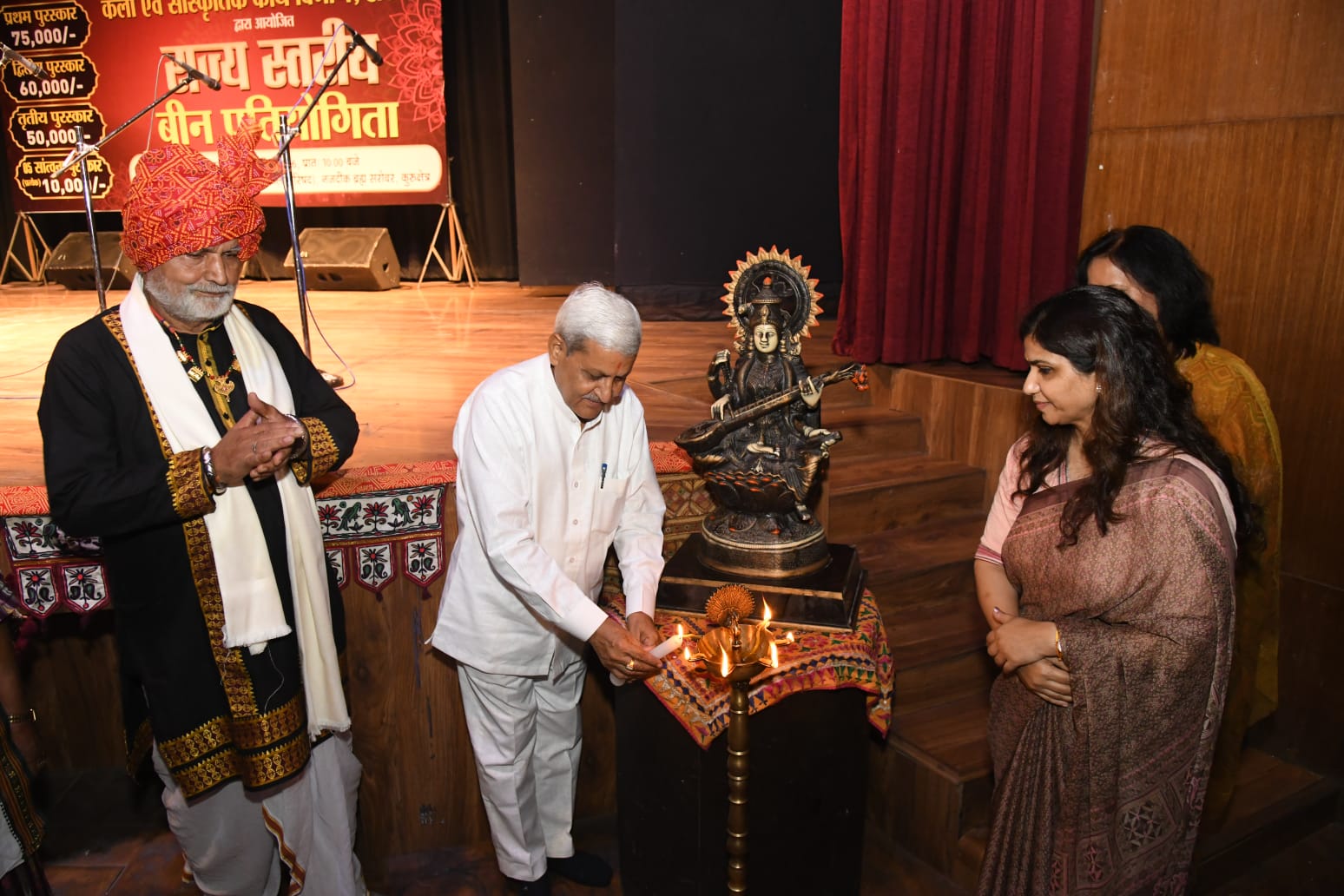
The competition was formally inaugurated by Haryana Kala Parishad Vice-Chairman Mahesh Joshi, Department Deputy Director Dr Pawan Arya, Art and Cultural Officer (Music) Dr Deepika Rani and Art and Cultural Officer (Painting) Renu Hooda. The dignitaries inaugurated the event by lighting the ceremonial lamp.
The programme was organised under the guidance of K.M. Pandurang, Commissioner and Secretary of the Department of Art and Cultural Affairs, Director Aditya Dahiya and Additional Director Vivek Kalia. Their institutional support helped facilitate the state-level event and bring together traditional artists from across Haryana on a common platform.
A total of 27 teams participated in the competition, making the event a significant gathering of traditional Been performers. The participating groups competed before an expert judging panel tasked with assessing the performances fairly and objectively.
Renowned folk artist and Padma Shri awardee Mahabir Guddu, Dr Kailash Verma and Majid Khan served as the chief judges. Their experience in folk music and traditional cultural forms brought an expert perspective to the evaluation of the participating teams.
Under the competition guidelines, each participating group consisted of between eight and ten artists. The groups presented traditional Haryanvi cultural expressions through music, performance and attire. Their performances demonstrated the artistic diversity and distinctive identity of Haryana’s folk traditions.
The artists’ traditional costumes added a strong visual dimension to the event. Dressed in authentic Haryanvi attire, the performers presented their musical traditions with enthusiasm and confidence, drawing appreciation from those present. The combination of traditional instruments, costumes and performance created an atmosphere reflecting the cultural character of rural Haryana.
The event also underlined the importance of preserving traditional folk arts at a time when contemporary entertainment and changing cultural preferences are influencing younger generations. Traditional music forms such as Been-based performances represent an important part of Haryana’s cultural memory and provide a link between generations.
The department’s initiative seeks to ensure that such art forms continue to receive institutional recognition and public exposure. By organising state-level competitions, talented performers can receive opportunities to demonstrate their skills while audiences can experience traditional forms that might otherwise receive less attention in the modern cultural landscape.
The participation of 27 groups from different districts also demonstrated the continued interest among folk artists in preserving and presenting Haryana’s traditional music. Their performances reflected the dedication of artists who continue to practise folk traditions and pass their knowledge to future generations.
The organisers said the event successfully showcased the vitality of Haryana’s folk culture. The performances demonstrated that traditional art forms have not lost their relevance and can continue to engage audiences when presented with appropriate platforms and recognition.
The competition also served as a meeting point for artists from different parts of the state, allowing them to share their experiences and artistic traditions. Such gatherings can strengthen the cultural community and encourage greater interaction among folk performers.
The enthusiastic response from the audience further reinforced the popularity of traditional Haryanvi music. As the artists performed on the Been, Tumba, Dhol and Bansuri, the venue resonated with applause, reflecting the appreciation of spectators for the distinctive sounds and cultural expressions associated with Haryana.
The state-level competition thus went beyond a contest for prizes. It became an occasion to celebrate Haryana’s cultural identity and recognise the contribution of folk artists who continue to preserve traditional forms through their performances.
The Department of Art and Cultural Affairs’ initiative also reflects the broader objective of strengthening cultural institutions and creating opportunities for traditional artists. Recognition through competitions and awards can encourage performers to continue their artistic journey and inspire younger generations to learn and preserve traditional art forms.
The successful organisation of the event in Kurukshetra added another important chapter to Haryana’s efforts to celebrate its folk heritage. The performances by the 27 Been Sapera groups showed that the state’s traditional musical culture remains vibrant, distinctive and capable of captivating modern audiences.
With substantial prizes, expert evaluation and participation from artists across Haryana, the state-level Been competition provided a meaningful platform for celebrating traditional music. The colourful performances and traditional attire left a strong impression on the audience and reaffirmed that Haryana’s folk arts continue to remain an important part of the state’s cultural identity.


 The Department of Art and Cultural Affairs has announced substantial prize money for the competition as an incentive for folk artists and to encourage continued engagement with traditional cultural forms. The first prize has been fixed at ₹75,000, while the second prize carries ₹60,000 and the third prize ₹50,000. In addition, five consolation prizes of ₹10,000 each have been announced.
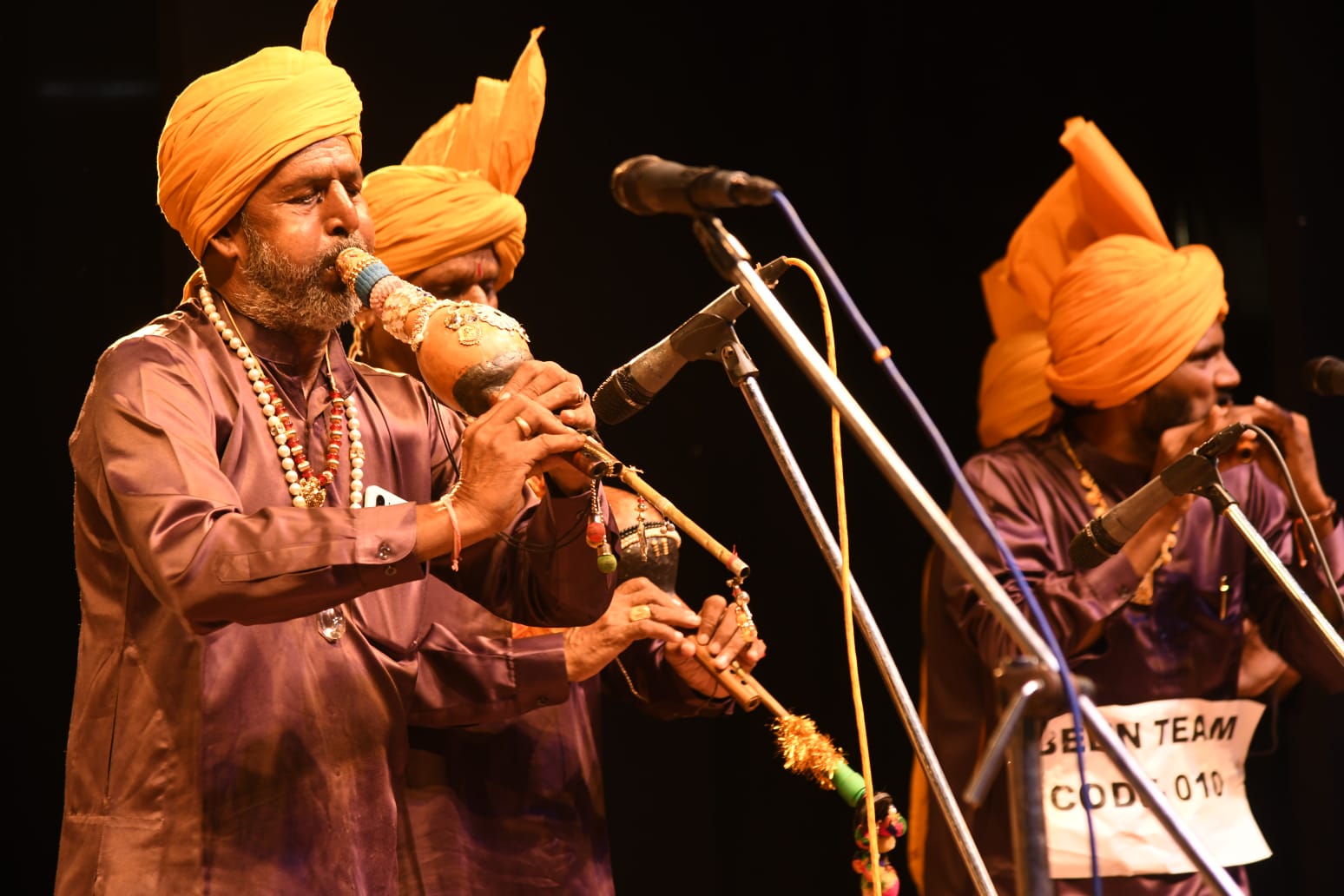 The artists’ traditional costumes added a strong visual dimension to the event. Dressed in authentic Haryanvi attire, the performers presented their musical traditions with enthusiasm and confidence, drawing appreciation from those present. The combination of traditional instruments, costumes and performance created an atmosphere reflecting the cultural character of rural Haryana.