Hindi’s inclusive character strengthens communication, culture and social connection across India’s diverse linguistic landscape
YAMUNANAGAR | PEN OF DEMOCRACY NEWS DESK
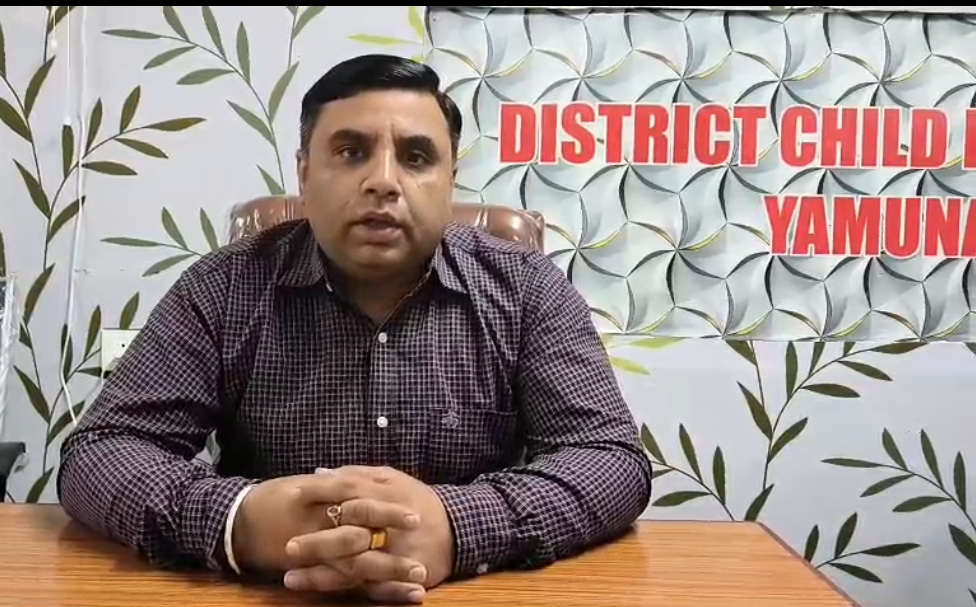
Hindi has emerged as one of the important threads connecting India’s vast linguistic and cultural diversity, while its growing recognition beyond the country has further strengthened its place in contemporary public life, said Officiating District Child Protection Officer Ranjan Sharma.
Hindi as a Bridge Across Communities
Sharma said Hindi is not merely a language of communication but an important medium through which millions of people express thoughts, emotions, culture and everyday experiences. As an official language of the Union, Hindi continues to play a significant role in communication across regions and communities.
Its influence, he said, is no longer confined to literature or traditional communication. Hindi has become part of everyday interactions, business, education, journalism, entertainment, digital media and wider public discourse.
An Inclusive and Evolving Language
According to Sharma, one of Hindi’s greatest strengths is its inclusive and evolving character. The language has continuously absorbed words, expressions and influences from other Indian languages and dialects rather than remaining within rigid linguistic boundaries.
This continuing interaction has contributed to the richness and adaptability of Hindi. The incorporation of expressions from different linguistic traditions has allowed the language to evolve alongside India’s changing social and cultural landscape while remaining accessible to people from diverse backgrounds.
Hindi Within India’s Linguistic Diversity
India’s extraordinary linguistic diversity is reflected in the many languages and dialects associated with different states and regions. Each carries its own history, traditions and cultural identity. Sharma said this diversity is a strength and should be preserved and celebrated.
Within this multilingual landscape, Hindi occupies a significant place not only because of its wide usage but also because it facilitates communication and social interaction among people from different linguistic backgrounds.
Role in Literature, Media and Public Life
Hindi has played a major role in literature, cinema, journalism, education and public communication. Its presence across television, newspapers, online platforms and social media has helped audiences in different parts of the country engage with ideas and cultural expressions beyond their immediate surroundings.
Sharma said Hindi’s reach through creative and mass media has also strengthened its ability to connect communities and generations. From traditional poetry and literature to digital storytelling and social networking, the language continues to adapt to changing forms of communication.
Growing Visibility Beyond India
The growing visibility of Hindi outside India, Sharma said, is another important aspect of its contemporary journey. Hindi literature, films, music and other creative forms have enabled international audiences to engage with Indian culture through the language.
He said language can serve as a bridge between cultures because learning a language also creates opportunities to understand the history, traditions, literature and social values of the communities that use it.
Promotion of Hindi Alongside Other Languages
At the same time, Sharma stressed that the growth of Hindi should not be viewed as a challenge to India’s other languages. The country’s linguistic strength lies in its diversity, and Hindi can contribute to national communication while regional and other Indian languages preserve their distinct identities.
He said the promotion of Hindi through education, literature, journalism and digital platforms should go hand in hand with respect for regional languages and dialects. Every language contributes to India’s collective cultural wealth.
Digital Media Expands Hindi’s Reach
Sharma said digital platforms have opened new opportunities for Hindi writers, journalists, educators, creators and ordinary users by allowing them to reach large audiences without geographical limitations. The growing availability of Hindi content online has made information and creative material accessible to a wider section of society.
He said Hindi’s continued adaptation to technology demonstrates that a language can embrace new communication tools without losing its cultural character.
A Language of Social Cohesion
According to Sharma, language is closely linked with identity but can also become a medium of social cohesion. Hindi’s ability to facilitate communication among people from different linguistic backgrounds gives it an important role in strengthening social interaction.
He maintained that Hindi’s journey has been shaped by continuous interaction with different communities and traditions. Its vocabulary and everyday usage reflect the influence of changing social conditions and the contributions of people from different regions.
Keeping Hindi Open and Inclusive
Sharma said the future of Hindi depends on its ability to remain open, inclusive and responsive to contemporary needs. Its continued development through education, literature, journalism and digital communication can strengthen its reach while helping younger generations remain connected with the language.
He concluded that India’s linguistic diversity is one of its greatest cultural strengths and Hindi can play a constructive role in connecting that diversity. Rather than being defined by linguistic boundaries, Hindi has evolved through interaction, absorption and adaptation, making it an important medium of communication, culture and social connection in contemporary India.
ALSO READ
India’s linguistic diversity remains a defining part of its cultural identity, with Hindi and regional languages contributing to a multilingual national heritage.
POD/DESK