From Theme to Final Garment: Building a Cohesive Fashion Collection
A successful fashion collection is not created by designing garments one after another in isolation. It develops through a connected creative process in which a theme, research, visual references, colour choices, silhouettes, samples and final presentation work together to communicate one clear idea.
For a designer, the first challenge is to give the collection a definite direction. A clear theme provides the foundation for every later decision. It may emerge from nature, culture, architecture, history, art, a social idea, a particular period or an everyday visual experience. The theme should be strong enough to inspire several garments while still allowing the designer freedom to explore different forms and details.
Choosing the Right Theme
Theme selection requires thought rather than simply choosing an attractive subject. The designer needs to understand what the theme communicates and how it can be translated into clothing. A useful theme offers visual possibilities for shapes, textures, colours, surface details and silhouettes. At the same time, it should be suitable for the intended collection and the people for whom the garments are being designed.
Research and Sources of Inspiration
Once the theme is selected, research gives depth to the concept. Designers collect visual and written references connected with the subject and examine details that can be transformed into design ideas. Research may include images, objects, historical references, cultural elements, textures, architectural forms or natural patterns. The purpose is not to copy a source directly, but to understand it and interpret its important qualities through fashion.
This stage helps prevent the collection from becoming a random combination of designs. When research is properly connected to the theme, individual garments begin to share a common visual language. The designer can then identify which elements are useful and which should be left aside so that the final collection remains focused.
Mood Board and Colour Planning
A mood board brings the emotional and visual direction of the collection together. It may contain selected images, textures, shapes, patterns and other references that represent the atmosphere the designer wants to create. It acts as a visual guide throughout the development process and helps maintain consistency when new ideas are introduced.
Colour planning is equally important. Colours should support the theme and work together across the collection rather than being selected independently for each garment. A carefully considered colour palette can establish the mood of the collection and create visual continuity from one look to another. The relationship between dominant, supporting and accent colours can also help create variety without breaking the overall unity.
Every stage of collection development should strengthen the same central idea. Research, colour, silhouette, fabric, surface detail and presentation should support one another rather than compete for attention.
Developing Designs and Silhouettes
The next stage is to convert inspiration into actual design possibilities. Designers explore silhouettes, proportions, lines, details and garment shapes through sketches and design development. At this point, creativity needs to be balanced with an understanding of construction and wearability. A visually interesting idea must also be capable of becoming a functional garment.
Silhouette plays a major role in establishing the identity of a collection. Repeated or related shapes can connect different looks, while controlled variation can prevent the collection from appearing monotonous. The designer must also consider how the chosen silhouette works with the intended fabric, movement and purpose of the garment.
Sample Development and Final Garments
Design sketches are only the beginning. Sample development allows the designer to test the practical aspects of the proposed garments. During sampling, issues related to fit, proportion, construction, comfort, fabric behaviour and finishing can become visible. Adjustments at this stage can improve the final result and help transform a creative drawing into a wearable garment.
The final garments should reflect the original concept while showing the refinements made during development. Consistency across the collection is important, but every garment should still have enough individuality to contribute something meaningful to the overall presentation.
Presentation Is Part of the Collection
A collection is not complete simply because the garments have been finished. Presentation also communicates the designer’s idea. The arrangement of looks, styling, accessories, display and visual documentation should reinforce the concept established at the beginning. When the presentation is carefully planned, viewers can understand the connection between the inspiration and the final garments more easily.
A Balanced Approach to Successful Collection Development
The development of a fashion collection therefore involves both imagination and discipline. Creativity generates possibilities, while research gives those possibilities direction. Colour planning creates visual harmony, silhouette development establishes form, sampling tests practicality and presentation brings the complete idea before the viewer.
A strong collection ultimately balances creative expression with utility, comfort and the needs of the intended market. A designer who understands this balance can develop garments that are not only visually appealing but also coherent and meaningful as a complete body of work. From the first theme to the final garment, every decision contributes to the identity of the collection.
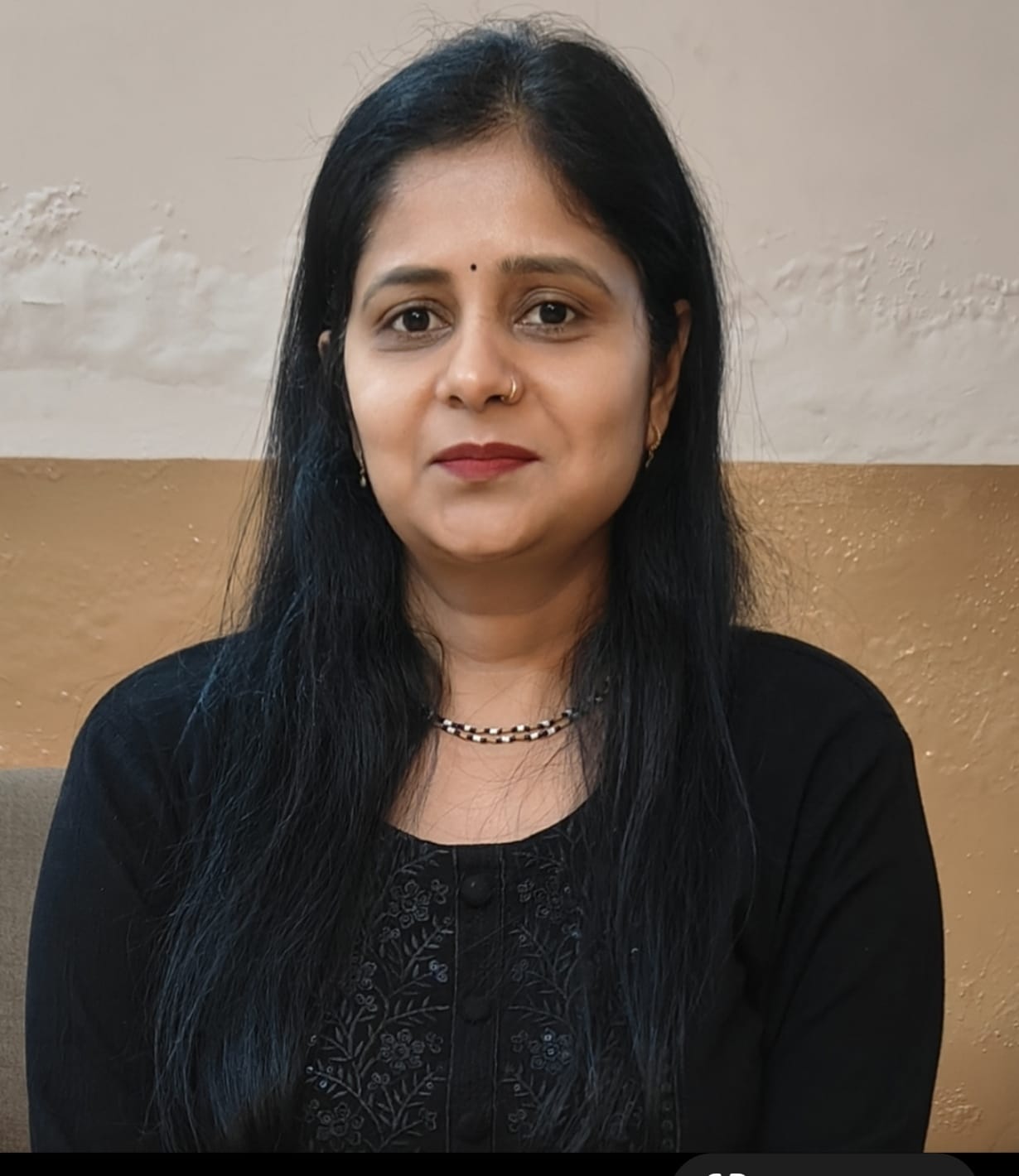
This editorial presents a practical perspective on fashion collection development, focusing on the connection between creative concept, research, design development and wearable outcomes. The views expressed are those of the author.