The Best Way to Share Festive Joy with Special Children Is to Honour Their Talent
Buy candles, Diwali greeting cards and decorative items made by children with special needs. Value their hard work and creativity not against market products, but for the confidence and effort behind every creation.
CHANDIGARH | PEN OF DEMOCRACY NEWS DESK
By: Counsellor Kanchan Mehta
M.A. Psychology
The true beauty of festivals lies not only in decorating homes, lighting lamps or exchanging gifts, but also in bringing happiness into the lives of others. In the previous article, we discussed the psychological importance of celebrating festivals with children with special needs and sharing joyful moments with them. In this concluding part, it is important to understand how small, thoughtful actions can encourage their talent, confidence and participation in society.
Give Priority to Products Made by Special Children
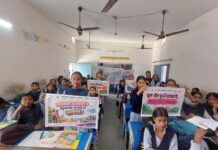
With guidance from teachers and trainers, children with special needs make candles, earthen lamps, Diwali greeting cards, rangoli designs, decorative items, handmade gifts and many other useful products. Each creation reflects effort, concentration, patience and creativity. During festivals, we should make a conscious effort to buy these items. Even a small purchase can bring a sense of happiness, recognition and encouragement to a child who has worked hard to make something.
Choosing a handmade item is more than a transaction. It tells the child that their work has value and that the community is willing to recognise their contribution. Families, schools, offices, social organisations and local communities can help by displaying these products, sharing information about them and making them part of their festive shopping.
RELATED READING
DAV Girls College Inaugurates 49th Youth Festival; Mayor Highlights Haryana’s Cultural Heritage
Do Not Compare Their Work with Mass-Produced Market Goods
It is neither fair nor helpful to compare an item made by a child with special needs with a factory-made product on the basis of shine, finish, price or design alone. Commercial products are manufactured through established production systems, while a handmade creation may represent a child’s learning journey, practice, persistence and individual effort. The value of the work cannot be measured only by its outward appearance.
The aim is not to lower expectations or offer praise that feels artificial. It is to recognise genuine effort, respect the maker and understand that people develop skills at different rates. A thoughtful response can acknowledge a design choice, the colours used, the care taken or the progress the child has made. Such appreciation is more meaningful than comparisons that may discourage participation.
Encouragement Can Help Build Confidence
Positive encouragement can support a child’s confidence and motivation to learn. When someone sincerely appreciates an item made by a child with special needs, the child may feel that the time and effort invested in the work have been worthwhile. Recognising small achievements can contribute to emotional development and encourage children to continue practising and exploring their abilities.
Praise should be respectful, specific and genuine. Instead of making assumptions about what a child can or cannot do, focus on the child’s own interests and achievements. Give them space to explain their creation, make choices and take pride in what they have accomplished. Every child deserves to be seen as an individual, not defined only by a diagnosis or support need.
Do More Than Buy a Product: Spend Time with the Children
Celebrating a festival with special children should not be limited to giving them sweets or presents. Sitting with them, talking, playing, looking at their creations and understanding their preferences are equally important. Invite them to join festive activities in ways that respect their individual abilities, comfort and choices. This can help foster a sense of belonging and social connection.
A welcoming environment is one in which children are not pressured to participate in every activity and are given the support they need to take part comfortably. Listening patiently and allowing children to express themselves can make a celebration more inclusive for everyone.
Offer Respect and Equal Opportunities, Not Pity
Children with special needs should not be treated merely as objects of sympathy. Their abilities should be recognised, and they should have opportunities to demonstrate their talents, make decisions and participate in community life. Families, teachers, social organisations and citizens can work together to create spaces where children are included with dignity and where their contributions are taken seriously.
Inclusion becomes meaningful when it goes beyond a festival gesture. Supporting access to learning, creative activities, social interaction and opportunities to display or sell handmade work can help build a culture of participation throughout the year. The objective should be equal respect and opportunity, with support shaped around each child’s needs.
Happiness Grows When It Is Shared
This Diwali and during the festivals ahead, let us make a meaningful commitment: buy products made by children with special needs, appreciate their work and spend some time with them. A smile on a child’s face may be more precious than an expensive gift. Our choices can send a powerful message that creativity and effort deserve respect, and that every child has a place in the community.
Honouring the talent of special children is a true expression of sensitivity. Festivals become more meaningful when society shares in their happiness and ensures that inclusion is reflected not only in words, but also in everyday actions.
EDITORIAL NOTE: Small acts of encouragement, respectful appreciation and inclusive participation can help children with special needs feel valued. The central message is simple: celebrate their effort, recognise their talent and make room for equal participation.
PEN OF DEMOCRACY EDITORIAL DESK
A VOICE FOR THE PEOPLE