PEN OF DEMOCRACY
Haryana Must Hold Special Police Recruitment Drives for Ex-Agniveers Every Six Months: Colonel Ashok Mor
Maharashtra’s induction of 282 former Navy Agniveers raises questions about rehabilitation, recruitment exemptions and suitable physical standards in Haryana
The transition from military service to civilian employment is one of the most important policy questions facing the Agnipath scheme. Young people who enter the armed forces as Agniveers undergo demanding selection, military training and a period of disciplined service. When their four-year tenure ends, their skills and experience should not be allowed to go underutilised. Haryana, with its strong military tradition, has an opportunity to build a practical and predictable pathway from military service to state policing.
Six-Monthly Recruitment Can Provide Certainty
The reported decision by Maharashtra to appoint 282 former Navy Agniveers as police constables has brought this issue into sharper focus. The first group reportedly comprises 150 Seaman Deckside and 132 Seaman Engineside personnel. The state has amended relevant rules to facilitate their induction without requiring them to repeat the usual written recruitment examination and initial training process. Haryana should examine the legal and administrative framework behind this initiative and consider which elements could suit its own requirements.
The central proposal is straightforward: Haryana Police should conduct a special recruitment drive for eligible former Agniveers every six months, rather than leaving them dependent entirely on the timing of general recruitment advertisements.
Agniveers complete their service at different times. If recruitment opportunities arise only through occasional general advertisements, eligible candidates may face long periods of uncertainty. Delays can disrupt their income, further training and plans for civilian life. A six-monthly recruitment calendar would give candidates greater clarity and allow departments to plan staffing requirements in advance.
The Haryana Government could establish a coordinated register of eligible Agniveers nearing completion of service, with appropriate support from relevant military authorities. Subject to applicable rules, vacancies could then be assessed twice a year and a dedicated selection process initiated. Such a system would not guarantee a job to every applicant; it would provide a regular, transparent opportunity to compete for designated vacancies.
Maharashtra’s Decision Offers a Policy Model
Maharashtra’s reported induction of former Navy Agniveers into its police establishment is significant because it recognises the value of training already completed during military service. Haryana should study the precise legal and administrative framework before deciding which elements can be adopted. The two states may have different recruitment rules, operational requirements and policing priorities. Nevertheless, where verified military training and service meet the requirements of a civilian security role, candidates should not automatically be made to repeat every stage of a conventional recruitment process.
The Army, Navy and Air Force offer different kinds of training. Any Haryana policy should match candidates’ verified skills and experience to the duties of the posts concerned. Military service should be recognised appropriately, while the essential standards of police work, public accountability and legal procedure must remain intact.
Physical Standards Need a Transparent Review
Physical standards applied to military and state police recruitment are not necessarily identical. General reference standards for Army Agniveer General Duty recruitment are commonly listed as a minimum height of 170 centimetres and chest measurements of 77 centimetres unexpanded and 82 centimetres expanded, subject to regional and category-specific variations. Haryana Police rules have listed a 172-centimetre minimum height and chest measurements of 83–87 centimetres for male constables in the general category. The precise requirements must be checked against the latest rules applicable to each recruitment.
This difference raises a legitimate policy question: should a former Agniveer who has met prescribed military medical and physical standards, completed training and served for four years be assessed under exactly the same measurements as every other applicant? The government should review the issue carefully and determine whether a separate standard or defined relaxation is appropriate for eligible former Agniveers.
Any decision must be evidence-based and formally notified. Physical requirements should reflect the actual duties of the post, including endurance, operational readiness and public safety. The objective should not be to weaken police standards, but to ensure that relevant military qualifications and experience are evaluated fairly and consistently.
Written Tests and Training Require a Clear Policy
The Haryana Government should clarify whether eligible former Agniveers can receive exemptions from a fresh written examination or initial training, and under what conditions. Maharashtra’s approach provides a case study, but it does not automatically change Haryana’s rules. Any exemption would require a lawful policy and appropriate amendments or notifications wherever necessary.
A balanced framework could consider verified military service records, medical fitness, relevant technical skills, disciplinary records and role-specific aptitude. Where further training is necessary—in criminal law, police procedure, evidence handling, public dealing and state-specific laws—it should be provided through a structured induction programme. Military and police duties are not identical; recruitment reform should avoid unnecessary duplication while ensuring every appointee is prepared for policing responsibilities.
Reservation Must Translate into Actual Opportunities
Haryana has announced reservation measures for former Agniveers in specified government recruitment categories. However, the existence of a reservation policy alone cannot guarantee timely opportunities. Implementation depends on notified rules, identified vacancies, eligibility conditions and an accessible recruitment process. The state should publish clear information about covered posts, applicable provisions, vacancies and recruitment schedules.
A centralised registration system could help authorities estimate how many eligible Agniveers will complete service in the coming months. It could also help candidates receive timely information about vacancies and documentation requirements. The policy must be implemented in accordance with the applicable reservation framework and must not create ambiguity for candidates or recruiting authorities.
Colonel Ashok Mor’s Key Recommendations
- Conduct dedicated Haryana Police recruitment drives for eligible former Agniveers every six months.
- Publish a recruitment calendar so candidates are not left waiting indefinitely for general advertisements.
- Examine rule changes that could permit exemptions from a fresh written examination and initial training where legally and operationally justified.
- Review height and chest requirements and consider appropriate, evidence-based relaxations or separate standards.
- Give due weight to verified military training, medical fitness, service records and relevant experience.
- Create a coordinated registration and vacancy-planning mechanism for Agniveers completing service.
- Link recruitment policy with career counselling, higher education, technical training and wider rehabilitation opportunities.
A Practical Investment in Security and Youth Employment
Former Agniveers bring experience of discipline, teamwork, demanding routines and service in a uniformed organisation. With appropriate induction and role-specific preparation, that experience can be valuable to state policing. A well-designed policy could support young people leaving military service while helping Haryana identify trained candidates for suitable security roles.
The government should examine the proposal through a time-bound consultation involving the police department, recruitment authorities and relevant military representatives. The outcome should be a clear policy, a published schedule and a transparent account of how eligible candidates can apply.
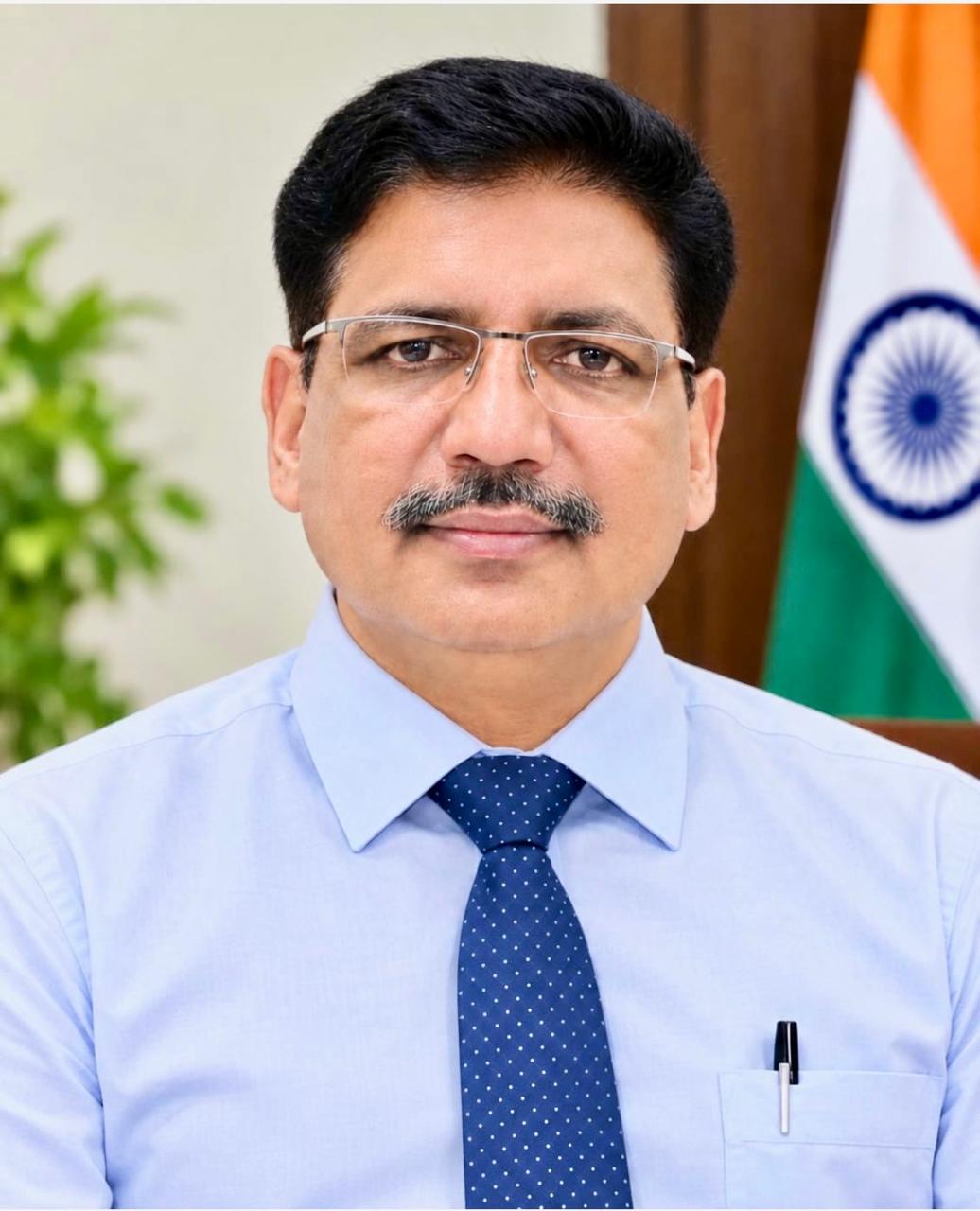
“I have previously submitted suggestions to the Central and Haryana Governments on providing police recruitment opportunities to Agniveers and securing their future after military service. The need now is for time-bound action. Special recruitment every six months, a considered policy on written-test exemptions and a review of physical standards could help trained young people pursue meaningful employment while providing Haryana Police with disciplined and experienced personnel,” says Colonel Ashok Mor.
Haryana should treat the transition from military service to civilian employment as a planned responsibility, not an issue to be addressed only when vacancies happen to arise. A predictable six-monthly recruitment mechanism, supported by lawful rules and transparent standards, would be a practical step towards honouring service, improving workforce planning and strengthening the state’s security institutions.