Adult Vaccination as Vital as Childhood Immunisation for Senior Citizens’ Health: Dr Anil Aggarwal
YAMUNANAGAR | PEN OF DEMOCRACY NEWS DESK
Vaccination is not only essential for children; it is equally important for senior citizens, whose immunity may weaken with age and who face a greater risk of serious complications from preventable infections.
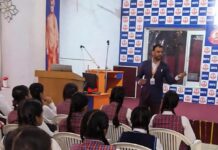
Highlighting the need to strengthen adult immunisation, Dr Anil Aggarwal, senior physician at Aggarwal Hospital, Jagadhri, said that lack of awareness often prevents older people from receiving vaccines that can protect them against influenza, pneumonia and shingles. He was speaking on the occasion of World Immunisation Day.
LOW AWARENESS, LIMITED ACCESS
Dr Aggarwal said vaccination is commonly associated with childhood, while immunisation needs in adulthood are often overlooked. This gap leaves many elderly people vulnerable to infections that can lead to hospitalisation and serious health complications.
A study involving 4,998 adults aged above 60 years highlighted the extent of the problem. Only 1.4 per cent of participants had received an influenza vaccine, while just 19.7 per cent had heard about it. The study also found that 65.3 per cent were unwilling to pay for vaccination.
However, the findings indicated that access and affordability can make a difference. When vaccines were offered free of cost through community health camps, uptake increased to 29.7 per cent, underscoring the role of public awareness and accessible healthcare services.
RESPIRATORY INFECTIONS POSE A SERIOUS RISK
According to estimates cited in the discussion, influenza is associated annually in India with around 5.3 million respiratory infections, 36,149 hospitalisations and 84,613 deaths. Influenza and pneumonia together are estimated to account for nearly 1.2 lakh deaths.
Older adults are particularly vulnerable because age-related changes and underlying illnesses can make infections more difficult to manage. A respiratory infection that may be mild in a younger person can become severe in an elderly patient, especially when medical care is delayed.
Dr Aggarwal said preventive vaccination should therefore be treated as an important part of healthcare for senior citizens, rather than something considered only after illness develops.
WHICH VACCINES SHOULD SENIOR CITIZENS CONSIDER?
The doctor advised older adults to discuss an annual influenza vaccine with their physician. Pneumococcal vaccination can help protect against pneumococcal disease, while shingles vaccination should also be discussed, particularly for people aged 50 years and above.
He said individuals should consult their doctor about other vaccines, including tetanus, hepatitis B, COVID-19 and RSV, depending on their age, medical history, previous doses and current recommendations. Vaccination schedules should be personalised and followed under medical guidance.
People living with diabetes, chronic obstructive pulmonary disease (COPD), asthma, heart disease and other long-term conditions should be especially attentive to preventive care. Their underlying health problems can increase the risk of complications from respiratory infections.
DOCTOR CALLS FOR AWARENESS AND COMMUNITY CAMPS
Dr Aggarwal emphasised that families, healthcare providers and community organisations all have a role in ensuring that senior citizens receive reliable information about adult vaccination. He said people should not assume that vaccines are needed only during childhood or that older age is a reason to avoid discussing immunisation.
Community health camps, counselling and affordable access can help address hesitation and improve coverage. The rise in vaccination uptake when doses were provided free at camps, he said, shows how practical support can translate awareness into action.
“The problem is not the vaccine, but awareness and access,” Dr Aggarwal said, urging senior citizens and their families to consult qualified doctors and review their vaccination needs.
He added that timely preventive care, regular medical advice and informed decisions can help older people reduce the risk of vaccine-preventable illnesses and maintain a healthier, more active life.
Adult vaccination is as important as childhood immunisation. Senior citizens should consult their doctors about influenza, pneumococcal and shingles vaccines, while reviewing other vaccines according to their health needs.
Disclaimer: Vaccination decisions and schedules should be discussed with a qualified healthcare professional, based on individual medical history and current recommendations.