Sonia Gandhi’s Concerns Over Democracy, Constitutional Institutions Deserve Serious Debate: Kumari Selja
Congress leader says democracy goes beyond elections, stressing institutional independence, freedom of expression, social harmony and protection of constitutional rights
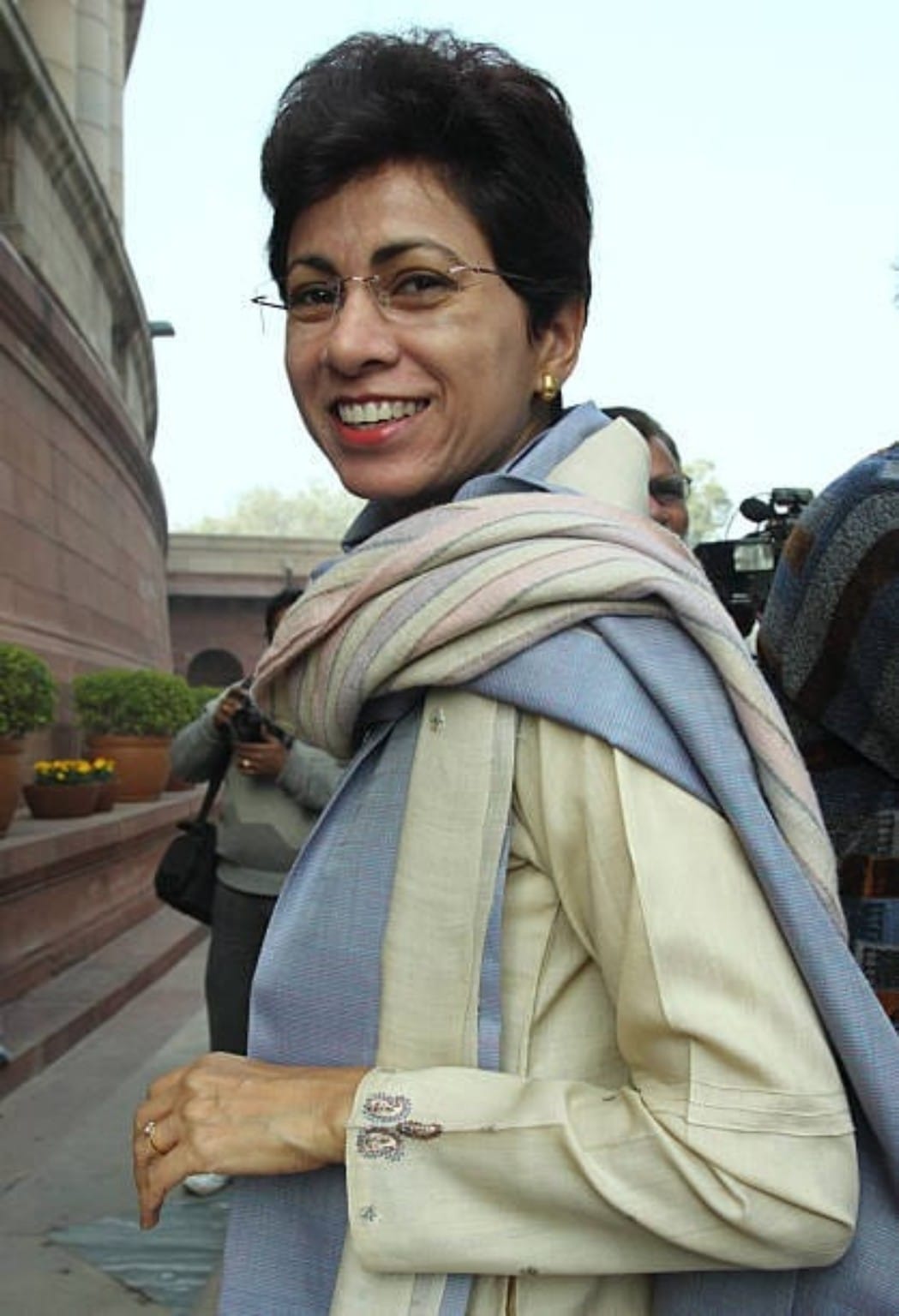
Congress leader Kumari Selja has expressed support for the views shared by Congress Parliamentary Party chairperson Sonia Gandhi in connection with her forthcoming book Belonging: A Journey of Love, saying the concerns raised about the country’s democratic framework, constitutional institutions and social harmony deserve serious consideration.
Selja, Member of Parliament from Sirsa, former Union Cabinet Minister, AICC National General Secretary, Congress in-charge of Uttarakhand and member of the Congress Working Committee (CWC), said Sonia Gandhi had brought an important national issue into public discussion by highlighting the challenges facing India’s democratic system and the task of restoring its strength.
She said the concerns expressed by Sonia Gandhi regarding the damage allegedly caused to the country’s democratic institutions over the past twelve years should not be viewed merely through the prism of political differences. Instead, they should be examined in the larger context of the constitutional principles, democratic traditions and institutional responsibilities that form the foundation of the Indian Republic.
Democracy Is More Than Elections
Kumari Selja said democracy was not confined to conducting elections at regular intervals. A functioning democratic system also requires independent institutions, freedom of expression, respect for the Opposition and protection of the constitutional rights of every citizen.
She said the strength of democracy lies in ensuring that institutions discharge their responsibilities independently and that citizens are able to express their views without fear or discrimination.
According to Selja, the democratic framework must provide adequate space for diverse opinions, constructive criticism and political disagreement. The Opposition, she said, has an important role in raising public concerns, questioning government policies and ensuring accountability in the functioning of the administration.
She emphasised that respect for dissent and the protection of individual freedoms are essential components of a healthy democratic society.
Institutional Credibility Is a Collective Responsibility
Selja said the Congress believes that maintaining the credibility and integrity of the country’s institutions is the responsibility of both the government and the Opposition.
Political differences, she observed, are a natural part of democratic functioning. However, disagreements should not undermine the larger interests of the nation, the Constitution or social unity.
She said constitutional institutions must command public confidence through transparency, impartiality and accountability. Their credibility is essential for ensuring that citizens continue to trust the democratic process and the system of governance.
Selja stressed that safeguarding democratic traditions requires continuous commitment and collective effort. Political parties, public representatives and institutions must work within the constitutional framework while respecting the rights and responsibilities associated with their respective roles.
She said national interest, constitutional values and social cohesion should remain central to public life, even when political parties differ sharply on policies and priorities.
People Expect Transparent and Accountable Governance
The Congress leader said the people of India expect transparent administration, employment opportunities, economic justice, social harmony and accountable governance.
She said these expectations reflect the aspirations of citizens who want a system that responds effectively to their concerns and ensures equal opportunities for all sections of society.
Selja maintained that democratic governance must remain connected with the everyday concerns of the people. Issues such as employment, economic fairness, public welfare and social stability require serious attention from policymakers.
She said public institutions and elected representatives must remain responsive to citizens and work towards strengthening trust in the democratic system.
According to Selja, the protection of constitutional values is closely linked with the responsibility to ensure that governance remains fair, inclusive and accountable.
Congress Committed to Constitutional Values
Kumari Selja said the Congress remained committed to protecting constitutional values and democratic traditions.
She said the party believed in preserving the principles of equality, justice, liberty and fraternity, which provide the foundation for India’s democratic and social framework.
She added that democratic institutions derive their strength from public confidence, constitutional safeguards and the willingness of political stakeholders to uphold established democratic norms.
Selja expressed confidence that India’s aware and responsible citizens would continue to play an important role in strengthening democracy, restoring the dignity of institutions and encouraging positive changes in governance.
She said the country’s democratic future would depend on collective efforts to protect constitutional principles, promote social harmony and ensure that institutions function in accordance with their constitutional responsibilities.
Selja’s remarks came in support of Sonia Gandhi’s views associated with her forthcoming memoir, Belonging: A Journey of Love, which has brought renewed attention to questions concerning democracy, institutions and the country’s constitutional framework.
Swami Vivekanand Public School Celebrates Diwali with Creativity and Enthusiasm
Kumari Selja Extends Diwali Greetings, Calls for Democracy and Harmony