Kumari Selja Raises Concerns Over Private Participation in Haryana Power Distribution
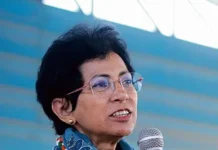
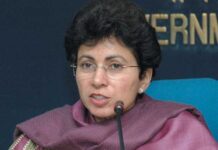
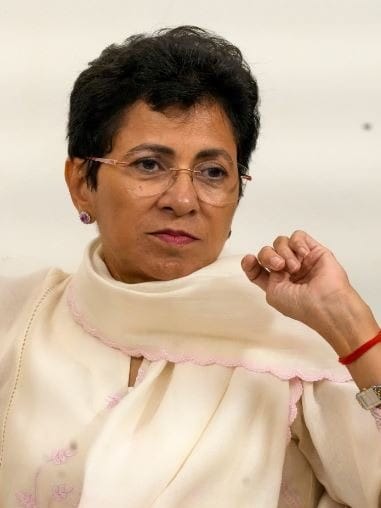
CHANDIGARH: Sirsa MP, former Union minister and Congress general secretary Kumari Selja has raised concerns over the growing discussion around private participation in Haryana’s electricity distribution system, saying that any change in an essential public service should be examined from the perspective of farmers, domestic consumers and electricity employees. She said the government should first focus on strengthening state-owned power utilities, addressing existing shortcomings and improving the quality of services available to consumers.
Selja’s comments come amid an ongoing regulatory process concerning an application by Eleven Power Private Limited for a parallel electricity distribution licence in the Gurugram and Nuh revenue districts. The Haryana Electricity Regulatory Commission has been examining the application and stakeholder objections. The state government has separately stated that it opposes the proposed parallel licence, while the regulatory process has involved comments, objections and hearings by interested parties.
Against this backdrop, Selja said that proposals involving the electricity sector require a wider assessment of their economic and social consequences. She argued that the interests of consumers and employees should not be treated as secondary considerations while decisions are being taken about the future structure of power distribution.
Focus on state-owned power utilities
According to Selja, the priority should be to strengthen government-owned electricity corporations and improve their operational performance. She said shortcomings in the existing system should be identified and corrected so that consumers receive dependable services without compromising the interests of vulnerable sections of society.
She also referred to proposals concerning parallel distribution licensing in Gurugram and Nuh and the idea of a separate agriculture-focused distribution arrangement. In her view, such proposals require detailed consideration before implementation, particularly because electricity distribution affects different categories of consumers in different ways.
The regulatory debate has attracted participation from power employees, engineers, farmers and other stakeholders. The Haryana government has said it would oppose the private parallel distribution licence proposal, while the HERC process has continued through hearings and consideration of stakeholder views. This distinction between the government’s position and the regulator’s statutory process is important as the matter moves forward.
Consumer interests and smart metering
Selja also called for a review of technological and structural changes being introduced in the electricity sector. She specifically referred to smart metering and said its economic viability and impact on consumers should be examined carefully. Her position, as stated in the remarks, is that modernisation should improve service delivery while remaining consistent with consumer interests.
Smart meters and other digital electricity technologies are being introduced in several parts of the power sector as utilities seek better monitoring, billing and energy management. For consumers, however, the practical questions include transparency of billing, grievance redressal, reliability of supply and clarity about the financial implications of new systems. Selja said these aspects should be considered as part of any broader reform exercise.
She also said electricity employees and their organisations have already conveyed their concerns to the government. According to her, the administration should maintain dialogue with all affected groups before taking major decisions. Such consultation, she said, would help ensure that reforms are considered not only from an infrastructure or financial perspective but also in terms of their impact on workers and consumers.
Congress position on public electricity system
Selja said the Congress supports strengthening the public electricity distribution system and protecting the interests of farmers, domestic consumers and employees. Her remarks therefore place the current debate within a wider political argument over how essential public utilities should be managed and modernised.
The issue has also generated debate among power-sector employees and farmers. Public reporting has recorded objections from employee and farmer groups to the parallel licensing proposal, including concerns about the financial position of state utilities and the possible effect on cross-subsidy arrangements. These are stakeholder concerns and remain part of the broader regulatory debate rather than settled findings about the eventual impact of the proposal.
Social equality concerns raised separately
In a separate part of her remarks, Selja referred to the controversy surrounding an alleged “purification” ritual at a venue in Haldwani after a public rally addressed by Congress president Mallikarjun Kharge. She said the incident raised questions about social equality, dignity and respect, and invoked the constitutional principle of equal rights for every citizen.
The Haldwani episode has been the subject of competing political claims. Reports said a ritual was conducted at the Ramlila Ground after Kharge’s August 8 rally. Congress leaders criticised the act, while BJP leaders, including Uttarakhand BJP figures, denied or distanced the party from involvement. Police subsequently registered an FIR against unknown persons in connection with the alleged incident.
Selja said the Constitution, shaped under the leadership and vision associated with Dr B R Ambedkar, guarantees equal rights and dignity to citizens. She emphasised the need to strengthen a sense of equality and fraternity, particularly in relation to Dalits, Adivasis and other historically disadvantaged communities. She said Congress would continue to raise its voice on issues concerning constitutional values and social equality.
This is a political report based on statements attributed to Kumari Selja. Positions on electricity-sector reforms, private distribution licensing and social equality are presented as statements or documented developments, not as independent conclusions by Pen of Democracy. The Gurugram-Nuh distribution licence matter remains part of the regulatory process, and the Haldwani “purification” episode is subject to ongoing legal and political contestation.