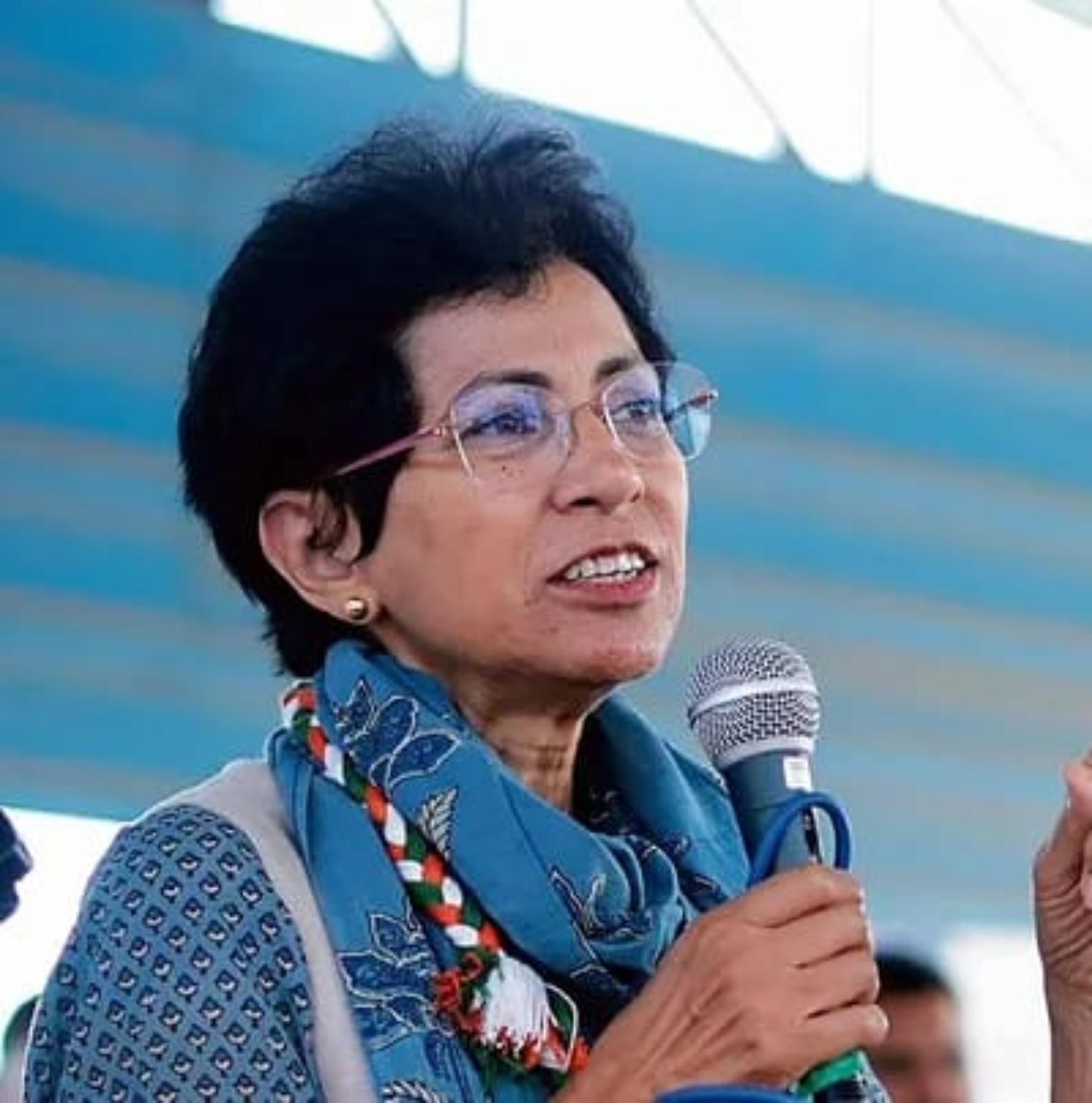
Raising serious concerns over the continuing rise in the prices of essential commodities, Sirsa Member of Parliament and senior Congress leader Kumari Selja has said that persistent inflation is putting increasing pressure on household budgets and making everyday life more difficult for ordinary citizens. She said farmers, workers, middle-class families and people dependent on limited incomes are among those facing the greatest impact of rising prices.
Selja, a former Union Cabinet Minister, AICC National General Secretary, Congress in-charge of Uttarakhand and member of the Congress Working Committee, said the rising cost of essential goods has become a matter of serious public concern. She stressed that the burden of higher prices cannot be viewed merely as an economic indicator, as it directly affects the purchasing power and living conditions of millions of families.
October Figures Highlight Price Pressure
Referring to the published figures for October, Selja said retail inflation had risen to 6.09 per cent, while food inflation stood at 8.94 per cent. She also expressed concern that prices had increased across eleven of the twelve major consumer categories. According to her, the figures underline the growing pressure on household expenditure and call for an effective response from the government.
She pointed out that food items and daily-use commodities occupy a substantial share of the monthly spending of ordinary households. When the prices of vegetables, onions and other essential products rise continuously, families with limited financial resources are left with little room to adjust their budgets. Even a modest increase in the cost of frequently purchased goods can significantly affect households that already have to manage expenses within fixed or uncertain incomes.
Calls for Stronger Supply Management
The Congress leader said the impact of inflation is particularly severe for workers, small farmers, daily-wage earners and middle-class families. Such households cannot always increase their earnings in line with rising market prices. As a result, a larger portion of their income is spent on basic necessities, leaving less money available for education, healthcare, nutrition and other essential requirements.
Selja said the Union Government must undertake a serious assessment of the factors contributing to the increase in prices and take timely measures to prevent further pressure on consumers. She called for stronger supply-chain management and adequate availability of essential commodities in markets. According to her, effective coordination between the authorities responsible for procurement, storage, distribution and market monitoring is necessary to address supply-related difficulties.
She also emphasised the need for strict action against hoarding and black marketing. Regular market inspections and close monitoring of prices, she said, can help identify artificial shortages and unfair practices that may add to the burden on consumers. The government must ensure that essential goods remain available at reasonable prices and that ordinary families are not forced to bear the consequences of inadequate market regulation.
Selja Backs Farmers’ Stir, Urges Haryana to Ensure Irrigation Water During Wheat Sowing
Inflation Directly Affects Household Welfare
The MP said inflation is closely linked with employment, income levels and the purchasing power of citizens. If household expenditure continues to rise while earnings remain unchanged, families are compelled to make difficult choices about their spending. In many cases, this can affect access to nutritious food, proper healthcare and educational opportunities, particularly for children and members of economically vulnerable households.
She maintained that controlling inflation should therefore be treated as a matter of economic security and social welfare. The government, she said, must look beyond headline figures and assess how rising prices are affecting people in different income groups. Timely intervention, effective implementation and continuous monitoring are essential to ensure that relief measures reach those who need them most.
Reiterating the Congress party’s position, Selja said the party has consistently advocated the protection of farmers’ interests, employment generation, social security and economic support for weaker sections. She said policies must focus on improving the financial security of ordinary families and ensuring that economic pressures do not deprive people of their basic needs.
Selja urged the Central Government to prepare a time-bound action plan to control inflation and provide meaningful relief to poor families, workers, farmers and the middle class. She said the immediate priority should be to strengthen the availability of essential commodities, prevent unfair market practices and ensure that price increases do not continue to erode the purchasing power of ordinary citizens.
She stressed that the effectiveness of any economic policy must ultimately be judged by the relief it brings to people in their daily lives. Families struggling to manage household expenses need practical measures and visible results, rather than assurances alone.
Unsafe Drinking Water in Government Schools a Serious Concern; Children’s Health Cannot Be Compromised: Kumari Selja
Sirsa MP Kumari Selja has expressed serious concern over the reported quality of drinking water in government schools across Haryana, saying that the health and safety of children must remain the government’s highest priority.
Referring to a published report, Selja said water samples from 398 government schools were found unfit for drinking. Kaithal district reportedly recorded the highest number, with samples from 69 schools found unsafe. She said the findings raised important questions about the availability of safe drinking water in educational institutions and the arrangements made to monitor its quality.
She also pointed out that, out of 14,297 government schools in the state, water testing had reportedly been carried out in only 6,469. Selja said that testing in less than half of the government schools was a matter of concern, as students must have access to clean and safe drinking water throughout the school day.
She demanded immediate water-quality testing in every government school and called for suitable purification arrangements, including RO systems wherever required. She said the authorities must identify schools where water is unsafe, take corrective measures without delay and ensure regular monitoring so that children are not exposed to health risks.
Selja stressed that access to safe drinking water is a basic requirement in every school and that no compromise should be made with the health and safety of students.
The inflation figures and school drinking-water findings in this report are attributed to the published data cited in the supplied statement. The concerns and demands have been presented as Kumari Selja’s views. The school-water figures have been retained as a separate news item.
CHANDIGARH | PEN OF DEMOCRACY NEWS DESK
Rising Inflation Puts Household Budgets Under Pressure, Says Kumari Selja
With retail inflation reported at 6.09 per cent and food inflation at 8.94 per cent in October, the Congress leader calls for stronger supply management, action against hoarding and meaningful relief for vulnerable households.
Raising serious concerns over the continuing rise in the prices of essential commodities, Sirsa Member of Parliament and senior Congress leader Kumari Selja has said that persistent inflation is putting increasing pressure on household budgets and making everyday life more difficult for ordinary citizens. She said farmers, workers, middle-class families and people dependent on limited incomes are among those facing the greatest impact of rising prices.
Selja, a former Union Cabinet Minister, AICC National General Secretary, Congress in-charge of Uttarakhand and member of the Congress Working Committee, said the rising cost of essential goods has become a matter of serious public concern. She stressed that the burden of higher prices cannot be viewed merely as an economic indicator, as it directly affects the purchasing power and living conditions of millions of families.
Referring to the published figures for October, Selja said retail inflation had risen to 6.09 per cent, while food inflation stood at 8.94 per cent. She also expressed concern that prices had increased across eleven of the twelve major consumer categories. According to her, the figures underline the growing pressure on household expenditure and call for an effective response from the government.
She pointed out that food items and daily-use commodities occupy a substantial share of the monthly spending of ordinary households. When the prices of vegetables, onions and other essential products rise continuously, families with limited financial resources are left with little room to adjust their budgets. Even a modest increase in the cost of frequently purchased goods can significantly affect households that already have to manage expenses within fixed or uncertain incomes.
The Congress leader said the impact of inflation is particularly severe for workers, small farmers, daily-wage earners and middle-class families. Such households cannot always increase their earnings in line with rising market prices. As a result, a larger portion of their income is spent on basic necessities, leaving less money available for education, healthcare, nutrition and other essential requirements.
Selja said the Union Government must undertake a serious assessment of the factors contributing to the increase in prices and take timely measures to prevent further pressure on consumers. She called for stronger supply-chain management and adequate availability of essential commodities in markets. According to her, effective coordination between the authorities responsible for procurement, storage, distribution and market monitoring is necessary to address supply-related difficulties.
She also emphasised the need for strict action against hoarding and black marketing. Regular market inspections and close monitoring of prices, she said, can help identify artificial shortages and unfair practices that may add to the burden on consumers. The government must ensure that essential goods remain available at reasonable prices and that ordinary families are not forced to bear the consequences of inadequate market regulation.
Selja Backs Farmers’ Stir, Urges Haryana to Ensure Irrigation Water During Wheat Sowing
The MP said inflation is closely linked with employment, income levels and the purchasing power of citizens. If household expenditure continues to rise while earnings remain unchanged, families are compelled to make difficult choices about their spending. In many cases, this can affect access to nutritious food, proper healthcare and educational opportunities, particularly for children and members of economically vulnerable households.
She maintained that controlling inflation should therefore be treated as a matter of economic security and social welfare. The government, she said, must look beyond headline figures and assess how rising prices are affecting people in different income groups. Timely intervention, effective implementation and continuous monitoring are essential to ensure that relief measures reach those who need them most.
Reiterating the Congress party’s position, Selja said the party has consistently advocated the protection of farmers’ interests, employment generation, social security and economic support for weaker sections. She said policies must focus on improving the financial security of ordinary families and ensuring that economic pressures do not deprive people of their basic needs.
Selja urged the Central Government to prepare a time-bound action plan to control inflation and provide meaningful relief to poor families, workers, farmers and the middle class. She said the immediate priority should be to strengthen the availability of essential commodities, prevent unfair market practices and ensure that price increases do not continue to erode the purchasing power of ordinary citizens.
She stressed that the effectiveness of any economic policy must ultimately be judged by the relief it brings to people in their daily lives. Families struggling to manage household expenses need practical measures and visible results, rather than assurances alone.
Unsafe Drinking Water in Government Schools a Serious Concern; Children’s Health Cannot Be Compromised: Kumari Selja
CHANDIGARH | PEN OF DEMOCRACY NEWS DESK
Sirsa MP Kumari Selja has expressed serious concern over the reported quality of drinking water in government schools across Haryana, saying that the health and safety of children must remain the government’s highest priority.
Referring to a published report, Selja said water samples from 398 government schools were found unfit for drinking. Kaithal district reportedly recorded the highest number, with samples from 69 schools found unsafe. She said the findings raised important questions about the availability of safe drinking water in educational institutions and the arrangements made to monitor its quality.
She also pointed out that, out of 14,297 government schools in the state, water testing had reportedly been carried out in only 6,469. Selja said that testing in less than half of the government schools was a matter of concern, as students must have access to clean and safe drinking water throughout the school day.
She demanded immediate water-quality testing in every government school and called for suitable purification arrangements, including RO systems wherever required. She said the authorities must identify schools where water is unsafe, take corrective measures without delay and ensure regular monitoring so that children are not exposed to health risks.
Selja stressed that access to safe drinking water is a basic requirement in every school and that no compromise should be made with the health and safety of students.
NEWS NOTE
The inflation figures and school drinking-water findings in this report are attributed to the published data cited in the supplied statement. The concerns and demands have been presented as Kumari Selja’s views. The school-water figures have been retained as a separate news item.