PEN OF DEMOCRACY
A VOICE FOR THE PEOPLE
44 Haryana Sewage Treatment Plants Fail Pollution Standards, Kumari Selja Seeks Government Accountability
Citing pollution board findings and the Centre’s written response, the Sirsa MP seeks regular testing of discharge points and a time-bound plan to protect the Ghaggar; also renews demand for a survey to link surplus Yamuna water with the river
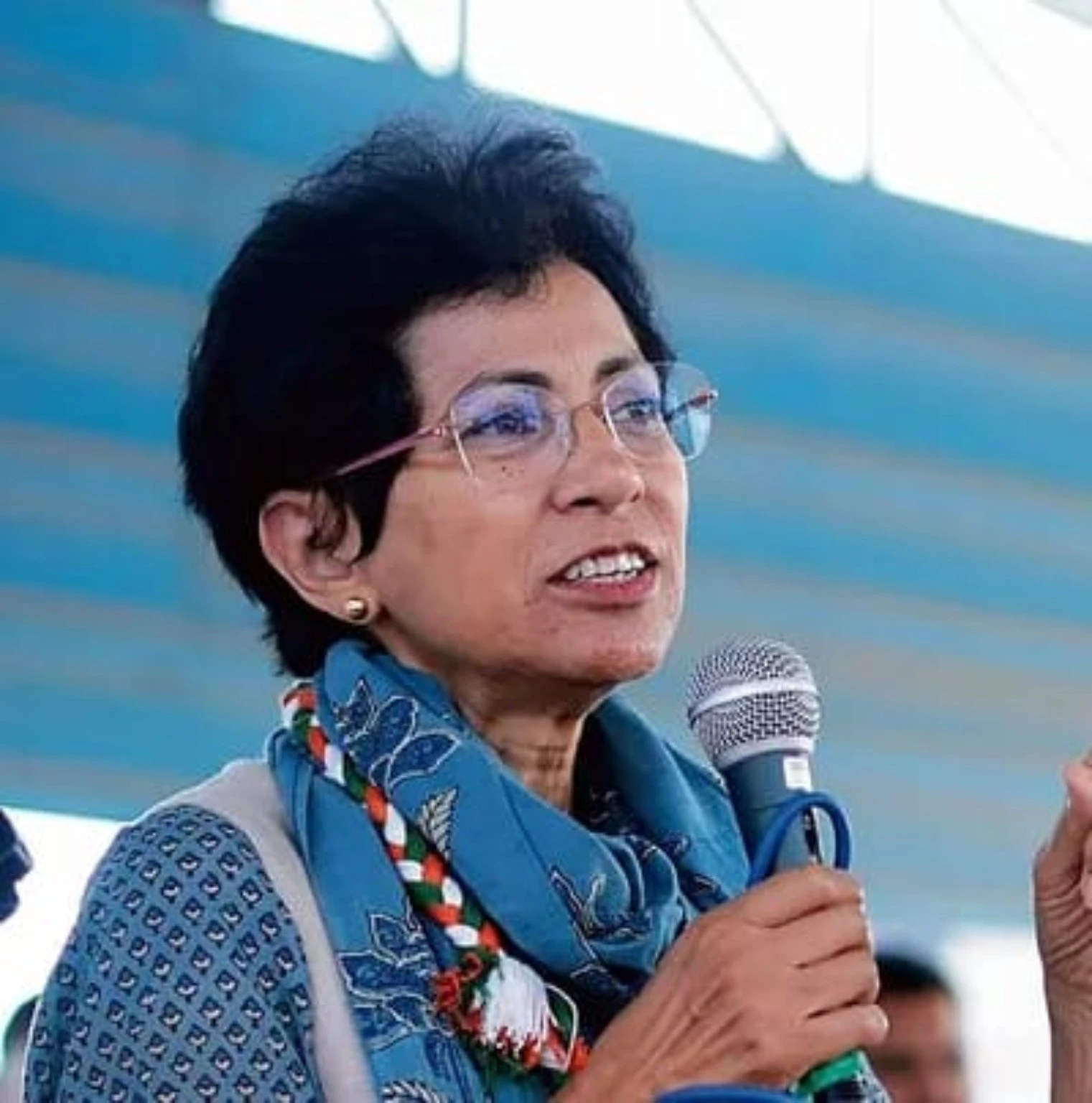
Sirsa MP, former Union Cabinet Minister, Congress national general secretary and Congress Working Committee member Kumari Selja has sought answers from the Haryana government over pollution in the Ghaggar river and the functioning of government-run sewage treatment plants (STPs). She questioned how the government could ensure that private factory owners comply with pollution-control norms if water discharged by its own treatment plants is failing to meet prescribed standards before entering rivers or connected drains.
Kumari Selja has sought accountability over pollution in the Ghaggar river and the performance of sewage treatment plants in Haryana.
44 Sewage Treatment Plants Found Outside Prescribed Standards
Referring to a report of the Haryana State Pollution Control Board, Selja said that water discharged from 44 sewage treatment plants in the state had been found not to conform to prescribed standards. She said protecting rivers from pollution was a fundamental responsibility of the government and called for regular inspections of both government treatment plants and private industrial units. Wherever violations are detected, the discharge of polluted water should be stopped and accountability fixed, she said. The government must ensure that treatment facilities function effectively instead of allowing inadequately treated wastewater to enter natural water bodies.
RELATED POLLUTION COVERAGE · PEN OF DEMOCRACY
Kumari Selja Raises Questions Over Pollution Control and Industrial Compliance in Haryana
Read more about pollution monitoring and environmental accountability in the state.
Ghaggar Stretches in Haryana and Punjab in Critical Pollution Category
The Congress Working Committee member said the Union Ministry of Jal Shakti, in its written response to the issue raised by her, had referred to a report of the Central Pollution Control Board. According to the report cited by the ministry, identified stretches of the Ghaggar in Haryana and Punjab have been placed in the most critical category of biological pollution. The ministry also clarified that ensuring the treatment of sewage and industrial effluents in accordance with prescribed standards before their discharge into water bodies is the responsibility of state governments and local bodies.
Seeks Regular Sampling and Public Disclosure of Findings
Selja called for regular collection of samples from drains joining the Ghaggar in Sirsa and Fatehabad, as well as from discharge points of treatment plants connected to the river. She demanded that the government make inspection findings public and announce a clear timeline for repairing or upgrading treatment plants found to be deficient. She also called for a time-bound joint action plan involving the Centre, Haryana and Punjab to stop the flow of polluted water into the Ghaggar.
ALSO READ · HARYANA WATER & FARMERS
Kumari Selja Raises Concerns Over Canal Water Supply in Sirsa and Fatehabad
Explore related coverage on water availability and issues affecting the region.
NEWS NOTE
Government Must Survey Proposal to Link Yamuna Water with Ghaggar: Kumari Selja
Selja reiterated her demand that surplus water from the Yamuna during the monsoon season be channelled towards the Ghaggar. She said the Haryana government should conduct a detailed survey, prepare a project report and submit it to the Centre for consideration. According to the written response from the Ministry of Jal Shakti, the relevant central agencies had not received a proposal for the technical and economic assessment of the project. Selja urged the state government to complete the survey and proposal on priority and initiate work once the necessary approvals are secured.
PEN OF DEMOCRACY
A VOICE FOR THE PEOPLE