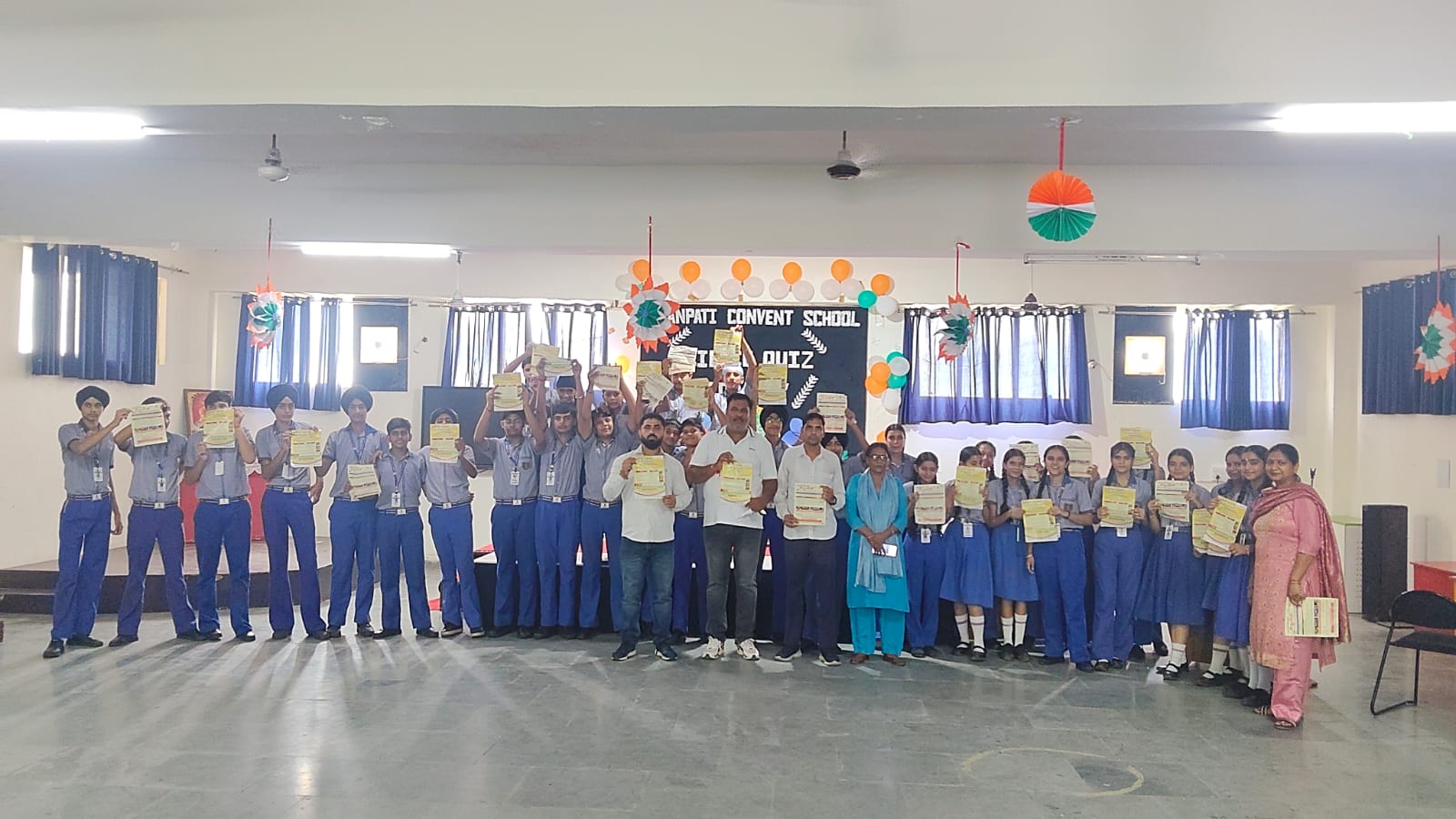
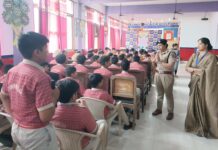
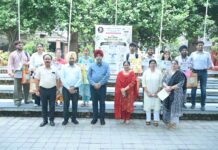
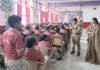
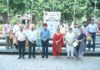
Health Department officials interact with students during a mosquito-borne disease awareness programme at Ganpati Convent School, Vyasapur.
Health Department launches awareness drive at Ganpati Convent School, urging students and families to prevent water stagnation and stop mosquito breeding at the source
YAMUNANAGAR | PEN OF DEMOCRACY NEWS DESK
Marking World Mosquito Day, the Health Department organised a special awareness programme at Ganpati Convent School, Vyasapur, to educate students and school staff about the prevention of mosquito-borne diseases, including dengue, malaria, chikungunya and filariasis. The programme was organised under the directions of Senior Medical Officer Dr Shama Parveen of Community Health Centre, Vyasapur.
During the awareness session, the health team explained that mosquito-borne diseases can be effectively prevented when people take responsibility for maintaining cleanliness and ensuring that water does not remain stagnant in and around their homes, schools and neighbourhoods. Students were informed that even small quantities of standing water can become breeding grounds for mosquitoes.
The Health Department team stressed that prevention is the most effective defence against diseases such as dengue and malaria. Students and staff members were advised to regularly inspect coolers, water tanks, flower pots, discarded containers, tyres and other places where water may accumulate. They were encouraged to empty, clean and dry such containers regularly to prevent mosquito larvae from developing.
Health officials also highlighted the importance of community participation in controlling mosquito breeding. They said that the fight against vector-borne diseases cannot be limited to government departments alone and requires the active cooperation of every household, educational institution and community member. Students were encouraged to act as awareness ambassadors and share the information with their parents, relatives and neighbours.
The department informed participants that its field teams, with the support of Male and Female Multi-Purpose Health Workers (MPHWs) and ASHA workers, regularly conduct door-to-door surveillance in different areas. During these visits, health workers inspect water tanks, coolers, pots and other potential mosquito-breeding sites to detect the presence of larvae.
Officials explained that where mosquito larvae are found, necessary action is taken and the concerned household is advised to immediately remove the source of stagnant water. Notices may also be issued in accordance with the applicable public health measures to ensure greater awareness and compliance.
The awareness programme also provided information about the preventive measures being undertaken by the Health Department in residential areas. Health workers explained that anti-larval measures, including the use of approved substances in stagnant water where appropriate, are carried out to interrupt the mosquito breeding cycle.
Students were urged not to ignore the importance of daily cleanliness. They were told that maintaining clean surroundings, covering stored water properly and ensuring that rainwater or household water does not accumulate unnecessarily can significantly reduce the risk of mosquito breeding.
The programme particularly focused on creating awareness among young people, as students can play an important role in spreading public health messages within their families and communities. Health officials encouraged them to regularly check their homes for potential mosquito breeding sites and remind family members to take preventive measures.
The school staff also participated in the programme and supported the Health Department’s initiative. The awareness session aimed to ensure that students understand that diseases such as dengue and malaria can be prevented through timely precautions, environmental cleanliness and collective responsibility.
Health officials appealed to residents to remain vigilant, particularly during periods when mosquito breeding conditions are favourable. They advised people not to allow water to stagnate in coolers, unused utensils, flower pots, discarded tyres or open containers. Regular cleaning and inspection of such locations can help prevent mosquito larvae from developing.
The Health Department reiterated that awareness and early preventive action are essential for protecting communities from mosquito-borne diseases. Citizens were urged to cooperate with health teams during door-to-door inspections and to immediately take corrective measures if mosquito larvae are detected in their homes or surroundings.
The awareness campaign at Ganpati Convent School was attended by MPHW-M Anil Kumar, Gaurav and Ramesh Kumar, ANM Manjit Kaur, along with Ganpati Convent School Principal Rajni Bharti, teacher Poonam Devi and other staff members.
The Health Department said that such awareness initiatives will continue to encourage people, especially students and young citizens, to adopt preventive habits and contribute towards keeping their homes and neighbourhoods free from mosquito breeding. The central message of the campaign was clear: prevent stagnant water, stop mosquito breeding and protect families from vector-borne diseases.