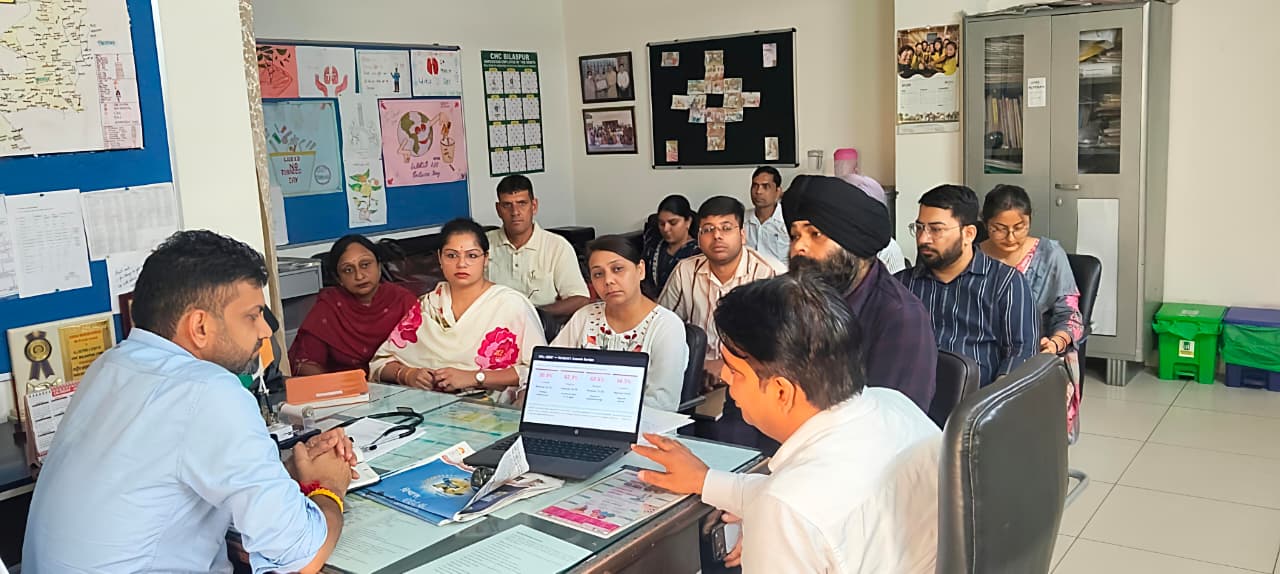
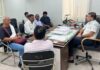
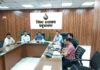
Vyasapur SDM Dr Kuldeep Singh reviews the Anaemia-Free India campaign with officials at the Community Health Centre, Vyasapur.
Dr Kuldeep Singh stresses coordinated action by health, education and women and child development departments to prevent anaemia among children, adolescents and mothers
PEN OF DEMOCRACY NEWS DESK VYASAPUR
Vyasapur Sub-Divisional Magistrate Dr Kuldeep Singh held a review meeting with officials at the Community Health Centre, Vyasapur, to assess the progress of the Anaemia-Free India campaign and review measures being undertaken to strengthen its implementation. During the meeting, the SDM examined the progress of the campaign and issued necessary directions to officials to ensure that screening, treatment, nutritional support and awareness activities reach eligible beneficiaries effectively.
Dr Kuldeep Singh said anaemia remains an important health concern, particularly among children, adolescent girls, pregnant women and lactating mothers. He stressed that addressing the problem requires more than providing medicines and called for regular screening, timely treatment, adequate nutritional support and sustained public awareness.
The SDM said health authorities, educational institutions, the Women and Child Development Department and other concerned departments should work in close coordination to achieve the objectives of the Anaemia-Free India campaign. He emphasised that coordinated implementation at the grassroots level is essential because many beneficiaries, particularly in rural areas, require both medical intervention and greater awareness about nutrition and preventive healthcare.
During the meeting, Dr Kuldeep Singh directed officials to ensure regular health check-ups for children and adolescents at schools and Anganwadi centres. He said eligible beneficiaries should receive iron and folic acid supplements in accordance with the prescribed protocol and should also be informed about the importance of taking the supplements regularly.
The SDM stressed that simply distributing iron and folic acid tablets would not be sufficient to address anaemia. Officials must also ensure that beneficiaries understand why the supplements are required and encourage them to follow the prescribed schedule. Regular follow-up, he said, is important to determine whether the intervention is producing the desired health outcomes.
Dr Kuldeep Singh also called for focused awareness activities in rural areas. He directed officials to educate families about the importance of balanced and nutritious diets and encourage healthy eating practices among children, adolescents and women.
He said awareness campaigns should explain the importance of adequate nutrition in simple and practical terms so that families can incorporate appropriate dietary practices into their daily lives. Special attention should be given to vulnerable groups who may be at greater risk of nutritional deficiencies.
The SDM further directed officials to maintain regular monitoring of anaemia-related cases and ensure that serious cases are referred to higher health institutions whenever necessary. Early identification and appropriate referral, he said, can help prevent complications and ensure that individuals requiring specialised medical attention receive it without unnecessary delay.
He also emphasised the need for regular review of campaign activities. All departments involved in the programme were asked to take their responsibilities seriously and monitor the implementation of various interventions within their respective areas.
Dr Kuldeep Singh said achieving the objective of an anaemia-free India requires sustained efforts rather than short-term activities. Screening, treatment, supplementation, nutrition awareness and follow-up must operate together to produce lasting results.
The meeting at the Community Health Centre also provided an opportunity for officials from different departments and health institutions to discuss the implementation of the campaign at the local level. Their participation reflected the need for a coordinated approach involving healthcare professionals, educational institutions and community-based agencies.
The SDM highlighted the importance of identifying anaemia at an early stage, particularly among school-going children and adolescents. Regular health screening can help detect cases that might otherwise remain unnoticed. Once identified, beneficiaries can be provided appropriate treatment and monitored for improvement.
He also stressed the importance of involving schools and Anganwadi centres in awareness efforts. Since these institutions have regular contact with children and families, they can play an important role in promoting health awareness and encouraging beneficiaries to follow recommended health practices.
The meeting also underlined the role of the Women and Child Development Department in addressing nutritional concerns among women and children. Coordination between health workers and officials dealing directly with families can help ensure that beneficiaries receive information, supplements and medical support in a timely manner.
Dr Kuldeep Singh called upon officials to maintain effective communication among departments and share relevant information so that gaps in implementation can be identified and addressed promptly. He said the progress of the campaign should be reviewed periodically and corrective measures should be taken wherever required.
The SDM said the success of the Anaemia-Free India campaign would ultimately depend on effective implementation at the community level. He urged officials to remain proactive and ensure that people do not face unnecessary difficulties in accessing screening, treatment or nutritional support.
He also stressed that public participation is essential for achieving long-term health goals. Families need to understand the significance of anaemia prevention and actively participate in screening and treatment programmes. Schools and community institutions can further strengthen awareness by encouraging healthy habits among young people.
The meeting concluded with directions for officials to continue monitoring the campaign and strengthen coordination among all participating departments. The emphasis remained on ensuring regular screening, appropriate supplementation, nutritional awareness and timely medical intervention.
Officials present at the meeting included SMO Vyasapur Dr Shama Parveen, nodal officer Dr Gunjit Singh, dental surgeon Dr Sunita, Women and Child Development Project Officer Kiran Bala, and President of the Private School Association, Vyasapur, Bhupendra Singh.
Dr Meera, Dental Surgeon at CHC Vyasapur; Dr Ankush Rai, Medical Officer at PHC Mughalwali; Dr Simranjit Kaur, PHC Mughalwali; Dr Manisha Devi, CHO Dhanora; Dr Sunita Chaudhary, CHC Sadhaura; Dr Suvidha Gill, PHC Haibatpur; Dr Ayush, AMO Vyasapur; Gurdev, BHE; Anil Kumar, MPHW; and other officials and employees from the concerned departments also attended the meeting.
The review meeting reinforced the administration’s focus on preventive healthcare and coordinated action against anaemia. By strengthening screening, ensuring availability and consumption of iron and folic acid supplements, promoting nutritional awareness and ensuring timely referral of serious cases, the administration aims to improve the health outcomes of vulnerable groups in the Vyasapur subdivision.
The initiative also highlighted the importance of making anaemia prevention a shared responsibility among healthcare institutions, schools, Anganwadi centres, families and the wider community. Sustained awareness and regular monitoring, officials said, will remain crucial to achieving the broader objective of building healthier children, adolescents and mothers and contributing to the goal of an Anaemia-Free India.