Sirsa MP Selja says strikes affecting sanitation and revenue services, possible suspension of Ayushman Bharat treatment and proposed hikes in water and document charges could deepen the burden on citizens
CHANDIGARH/ PAN OF DEMOCRACY NEWS DESK
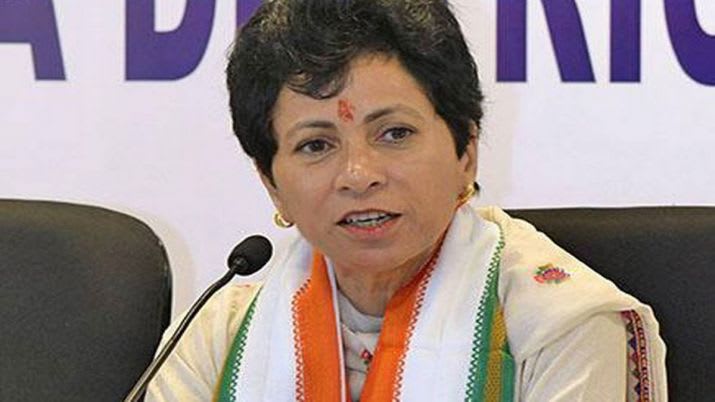
Sirsa MP, former Union Minister, Congress national general secretary and Congress Working Committee member Kumari Selja has raised concerns over disruptions in civic and public services across Haryana, saying that the impact of ongoing employee agitations, pressure on the healthcare system and proposed increases in charges for essential services is ultimately being felt by ordinary citizens.
In a statement, Selja said the Haryana government should adopt a policy of dialogue and resolution rather than confrontation at a time when sanitation services in several cities have been affected, revenue-related work has been disrupted due to the agitation of patwaris and kanungos, and private doctors and hospitals have warned of stopping treatment under the Ayushman Bharat scheme from September 1 over issues including pending payments and other concerns.
“The government’s priority should be to ensure that public services continue without disruption and that citizens do not suffer because of disputes between the administration and employees or service providers,” she said.
Selja said the ongoing agitation by sanitation workers had affected cleanliness arrangements in several cities, with garbage accumulating at multiple locations. She said the issue was not limited to the appearance of urban areas, as prolonged disruption in garbage collection could also raise concerns related to sanitation and public health.
According to Selja, the government should engage with the protesting sanitation employees and work towards addressing their legitimate concerns through dialogue. She argued that relying primarily on administrative or police measures to manage the situation would not provide a lasting solution.
The Congress leader said a similar situation had emerged in the revenue administration, where the agitation involving patwaris and kanungos was affecting citizens who require government services related to land records, revenue matters, demarcation and other official work.
“People seeking routine revenue services should not have to bear the consequences of a dispute between the government and its employees,” she said, adding that prolonged disruptions could create difficulties for farmers, property owners and others dependent on time-sensitive documentation.
Concern over possible disruption in Ayushman Bharat treatment
Selja described the concerns surrounding the Ayushman Bharat scheme as particularly serious, saying that any interruption in treatment services could directly affect economically weaker and vulnerable families.
Private hospitals and doctors have raised issues concerning payments and other matters related to treatment provided under the scheme and have warned of suspending services from September 1, according to the statement. Selja said the government should immediately hold meaningful discussions with doctors and hospital operators to prevent any disruption in medical care.
“If treatment under the scheme is affected, the greatest hardship will be faced by poor and needy families who depend on Ayushman Bharat for healthcare support,” she said.
She stressed that healthcare could not be allowed to become another area of uncertainty for citizens already dealing with disruptions in other essential services. The government, she said, must ensure that patients continue to receive treatment without interruption while simultaneously addressing the concerns raised by healthcare providers.
Water charges and proposed revenue fee hike under scrutiny
The Congress MP also questioned what she described as an increasing financial burden on citizens at a time when households are already dealing with rising prices of essential goods and daily necessities.
Selja referred to revised water charges in different categories and said that increases in the cost of an essential service such as drinking water could directly affect household budgets. According to the details cited in her statement, monthly charges for unmetered residential connections have been fixed on the basis of plot size, while charges for metered connections are determined according to water consumption.
She said that increases in certain categories, particularly where charges were substantially higher than earlier rates, should be reviewed carefully in the interest of ordinary households.
“Water is not a luxury. It is a basic necessity, and the government must consider the financial impact of revised charges on families,” Selja said.
She also expressed concern over reports regarding a proposal to increase fees for certified copies of documents connected with land and property matters, court-related records and demarcation proceedings in the Revenue Department.
Selja referred to reports suggesting that the fee for certain copies, currently as low as Re 1, could be increased to Rs 100, while charges for urgent copies could be proposed at rates of up to Rs 5,000. She noted that the Revenue Department had reportedly sought suggestions from deputy commissioners in connection with the matter.
The government, she said, should conduct a detailed assessment of the potential impact on farmers, advocates, property-related professionals and ordinary citizens before taking any final decision.
‘Essential services should not become an additional burden’
Selja said the government must maintain a balance between administrative requirements and the financial capacity of citizens. While she acknowledged that user charges and government fees may require periodic review, she argued that essential public services should not become unaffordable for ordinary people merely as a means of increasing government revenue.
“Families are already under pressure due to the cost of food and other everyday necessities. Increasing charges for basic services and essential government documents can add further strain to household budgets,” she said.
The Congress leader said the government’s approach should focus on providing relief, ensuring smooth public services and resolving disputes before they develop into wider crises.
She urged the Haryana government to initiate meaningful dialogue with sanitation workers and other protesting employees, restore normal sanitation services, ensure uninterrupted treatment under the Ayushman Bharat scheme and review the proposed or revised charges related to water and revenue services.
According to Selja, citizens expect governments to make essential services more accessible and efficient rather than allowing administrative disputes and increased charges to create additional difficulties.
“The people of Haryana need relief and a smooth functioning of essential services. They do not need new problems or an additional economic burden,” she said.
Selja maintained that the immediate need was for a coordinated government response addressing each of the issues affecting public life — from sanitation and revenue services to healthcare and the cost of essential civic facilities.
She said timely dialogue, transparent decision-making and a citizen-centric approach could prevent prolonged disruptions and reduce the hardship faced by the public.
The government, she added, should ensure that workers’ grievances are addressed through negotiation, vulnerable patients are not denied treatment, cities remain clean and essential public services remain affordable and accessible.