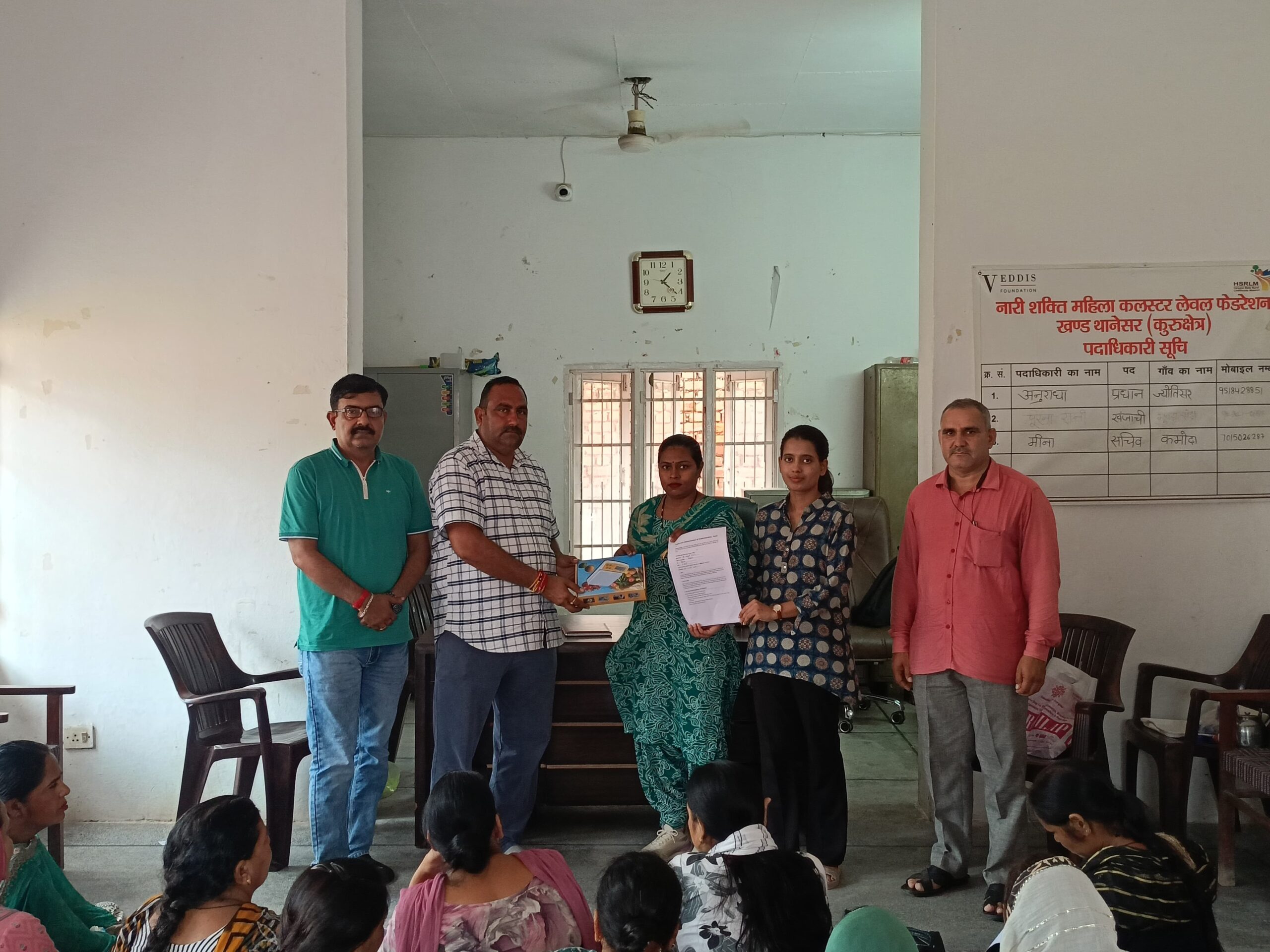
Officials distribute equipment and financial assistance to Self-Help Group members at Jyotisar Panchayat Bhawan.
Around 50 women from five SHGs in Kurukshetra partner with private firm to boost income under Haryana government’s livelihood mission
KURUKSHETRA | Pen of Democracy News Desk
In a significant step towards strengthening rural livelihoods and women’s economic empowerment, 50 members from five Self-Help Groups (SHGs) in Kurukshetra have been provided a new source of income through a hair collection and procurement initiative launched in partnership with private company Hair Original.
Chief Executive Officer of Zila Parishad Virendra Chaudhary said the initiative has been introduced in line with the Haryana Government’s efforts to promote sustainable livelihood opportunities for members of Self-Help Groups. Under the programme, SHG members will collect human hair from their respective villages and sell it to Hair Original at a fixed price, enabling them to generate a regular source of income.
The participating SHGs include one group each from Kheri Ram Nagar, Amin and Mundakhera, besides two groups from Jyotisar. A formal Memorandum of Understanding (MoU) has been signed between the groups and the company.
The company also announced plans to establish a hair processing unit in Kurukshetra, which is expected to create additional employment opportunities for women in the district.
A programme held at the Jyotisar Panchayat Bhawan witnessed the distribution of advance financial assistance and essential equipment to the selected SHGs. Haryana Chief Minister’s Good Governance Associate Muskan Yadav, who attended the event, said the initiative would play an important role in promoting self-employment and financial independence among rural women.
Officials Asked to Begin Preparations for Census 2027 Second Phase
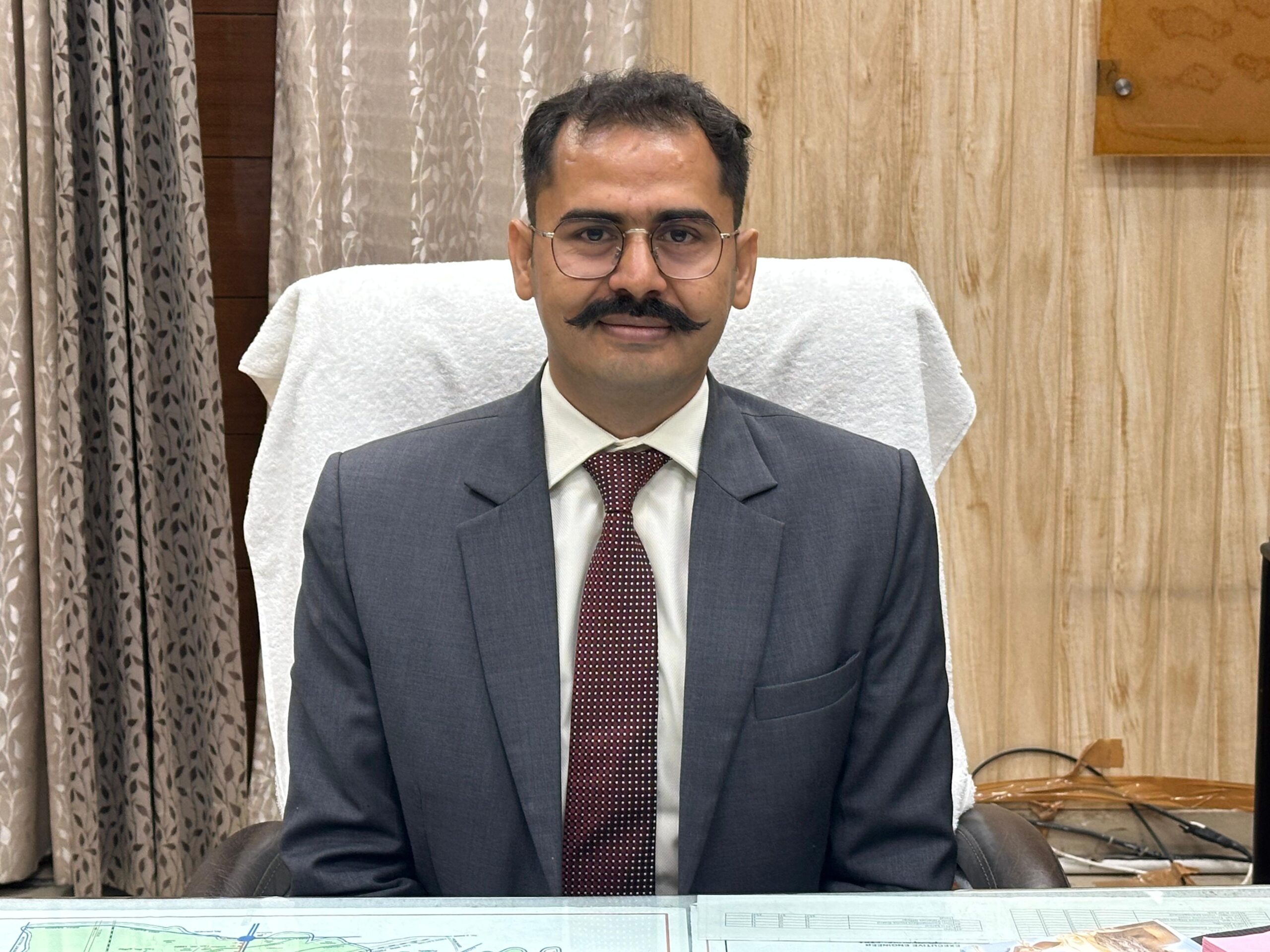
Deputy Commissioner Vishram Kumar Meena chairs a review meeting on Census 2027 preparations
Deputy Commissioner Vishram Kumar Meena has directed all government departments to begin preparations for the second phase of Census 2027, scheduled to commence in February next year. He said the upcoming phase would involve extensive digital data collection, making advance planning essential.
The Deputy Commissioner instructed departments to strengthen IT infrastructure, ensure timely utilisation of allocated funds and organise foundation-level online training for enumerators. He added that each enumerator would be assigned around 150 households or nearly 700 individuals to ensure efficient data collection.
He also asked officials to engage Resident Welfare Associations (RWAs) and housing societies to create awareness about the national importance of the census and encourage public cooperation.











)