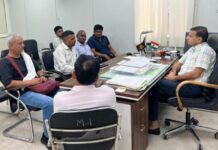
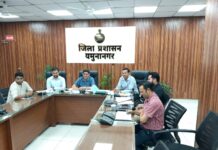
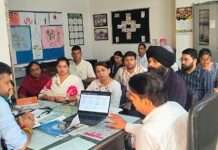
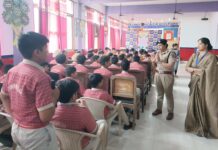
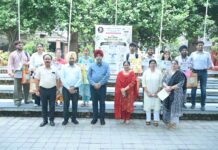
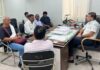
National award-winning surgeon Dr Anil Aggarwal addresses an awareness programme on mosquito-borne diseases at his hospital in Yamunanagar on World Mosquito Day.
National award-winning surgeon calls for preventive action, clean surroundings and timely medical consultation to reduce the risk of malaria, dengue and other vector-borne diseases
YAMUNANAGAR | PEN OF DEMOCRACY NEWS DESK
On the occasion of World Mosquito Day, national award-winning surgeon Dr Anil Aggarwal has appealed to people to remain alert against mosquito-borne diseases and adopt preventive measures at both the personal and community levels. Speaking during an awareness programme organised at Dr Anil Aggarwal Hospital in Yamunanagar, he said that although mosquitoes are extremely small in size, they remain among the major carriers of serious diseases that can lead to severe illness and, in some cases, death. Dr Aggarwal said diseases such as malaria, dengue and chikungunya can pose a serious health risk, particularly when preventive measures are ignored and medical attention is delayed. He emphasised that controlling mosquito breeding is not the responsibility of government agencies alone and requires active participation from every household and community. According to Dr Aggarwal, preventing water from stagnating in and around homes is one of the most effective ways to reduce mosquito breeding. He urged residents to regularly inspect coolers, flower pots, old tyres, water storage containers, tanks and other places where water may accumulate. “The fight against mosquito-borne diseases begins at home,” he said, stressing that simple precautions and regular cleanliness can significantly reduce the risk of infection. He also highlighted the importance of personal protection, advising people to use mosquito nets, repellents and clothing that adequately covers the body, especially in areas where mosquito activity is high. Dr Aggarwal said that prevention remains particularly important in the case of dengue and other vector-borne illnesses, where early awareness and timely medical consultation can help prevent complications. He advised people not to ignore fever lasting for more than two days and to seek medical advice instead of relying on self-medication. Symptoms such as persistent fever, severe body ache, weakness or other unusual health concerns should be taken seriously, he said, adding that timely diagnosis and appropriate treatment are essential. Discussing malaria prevention, Dr Aggarwal noted that malaria control requires a comprehensive approach involving mosquito control, preventive measures, testing and timely treatment. He said vaccination can be part of broader malaria prevention strategies, but public awareness and mosquito control continue to play a crucial role in reducing disease transmission. Dr Aggarwal further said that mosquito-borne diseases often become a larger public health concern when communities fail to eliminate breeding grounds. Stagnant water, poor sanitation and lack of awareness can create favourable conditions for mosquito populations to grow rapidly. He urged citizens to make cleanliness and preventive action a regular habit rather than responding only after disease cases begin to rise. “Mosquito control is a shared responsibility,” he said, adding that eliminating breeding sites can significantly reduce the threat of mosquito-borne illnesses. During the awareness programme, emphasis was also placed on the importance of community participation. Families were encouraged to regularly check their surroundings and ensure that water does not remain collected unnecessarily in containers, discarded materials or open spaces. Residents were also advised to cooperate with public health and sanitation initiatives aimed at controlling mosquito breeding. Dr Aggarwal said that awareness is particularly important because many people tend to underestimate the seriousness of mosquito-borne diseases during the early stages. A timely response to symptoms and responsible preventive practices can make a significant difference in protecting individuals and families. He said healthcare awareness should focus not only on treatment but also on preventing diseases before they occur. As part of the initiative, Dr Anil Aggarwal Hospital announced a week-long awareness campaign in Yamunanagar to educate people about mosquito-borne diseases and preventive measures. During the campaign, the hospital is also providing an initiative for free fever check-ups for OPD patients and mosquito-protection kits, aimed at encouraging early health awareness and preventive care. Dr Aggarwal appealed to residents to take the message of mosquito prevention seriously and spread awareness among family members, neighbours and the wider community. He said a clean environment, regular inspection of potential breeding sites, personal protection and prompt medical consultation together form the strongest defence against mosquito-borne illnesses. “A small mosquito can create a major health crisis, but timely awareness and preventive action can save lives,” he said. The programme concluded with an appeal to citizens to remain vigilant, maintain clean surroundings and ensure that no stagnant water is allowed to become a breeding ground for mosquitoes. Dr Aggarwal said that collective responsibility, public awareness and timely healthcare can go a long way in reducing the burden of malaria, dengue, chikungunya and other mosquito-borne diseases.