Experts urge first-year students to recognise early signs of anxiety and depression, seek timely support and help build a safe, ragging-free campus
JAGADHRI | PEN OF DEMOCRACY NEWS DESK
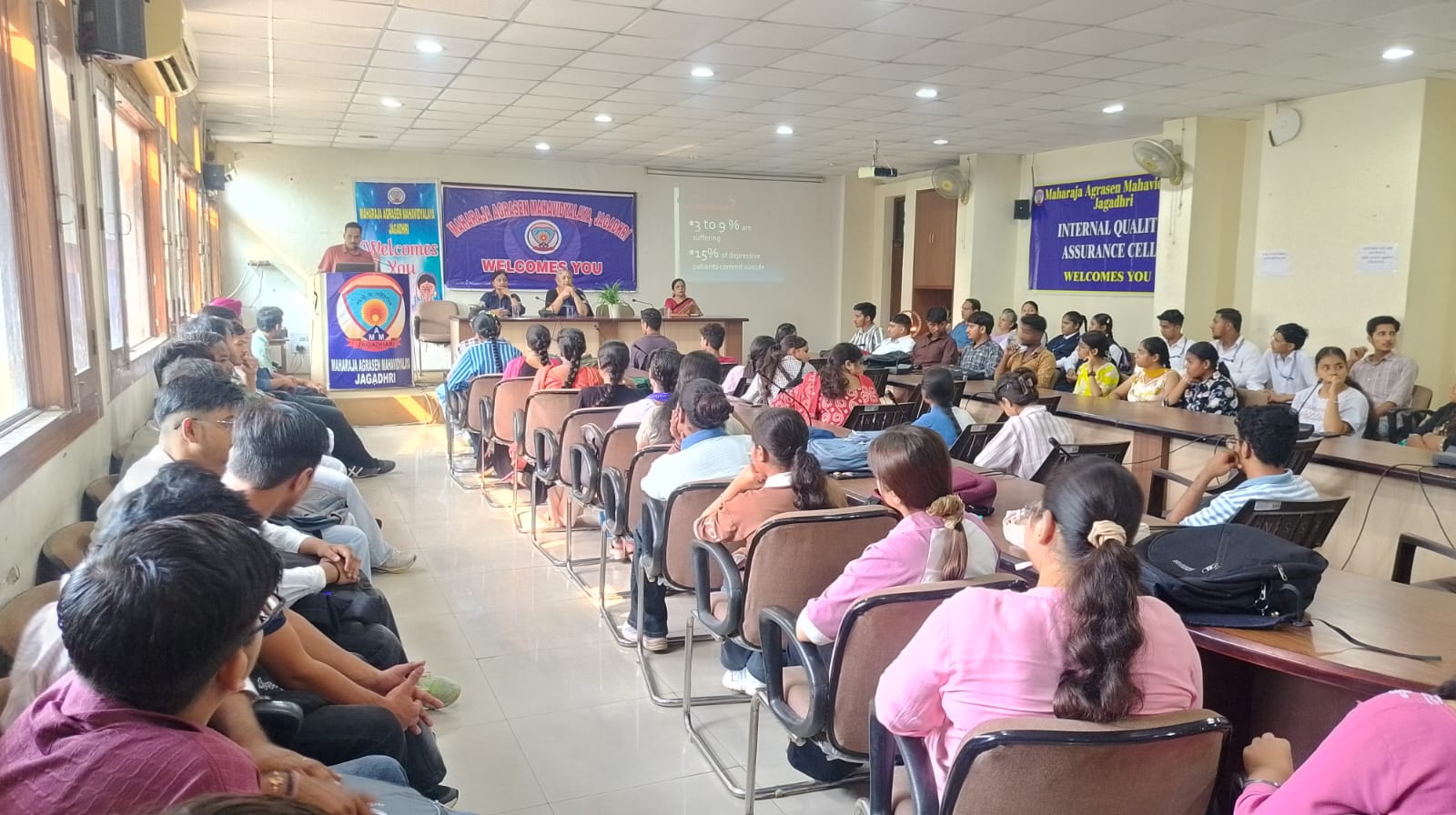
Maharaja Agrasen College, Jagadhri, organised a one-day mental health and anti-ragging awareness programme for first-year students on the occasion of World Suicide Prevention Day, bringing together mental health professionals, faculty members and students to discuss emotional well-being, anxiety, depression, campus safety and the importance of seeking help when facing difficulties.
The programme was jointly organised by the Mental Health and Safety Committee and the Anti-Ragging Committee of the college. The initiative aimed to familiarise newly admitted students with the challenges they may encounter during the transition to college life while also making them aware of the support systems available within the institution.
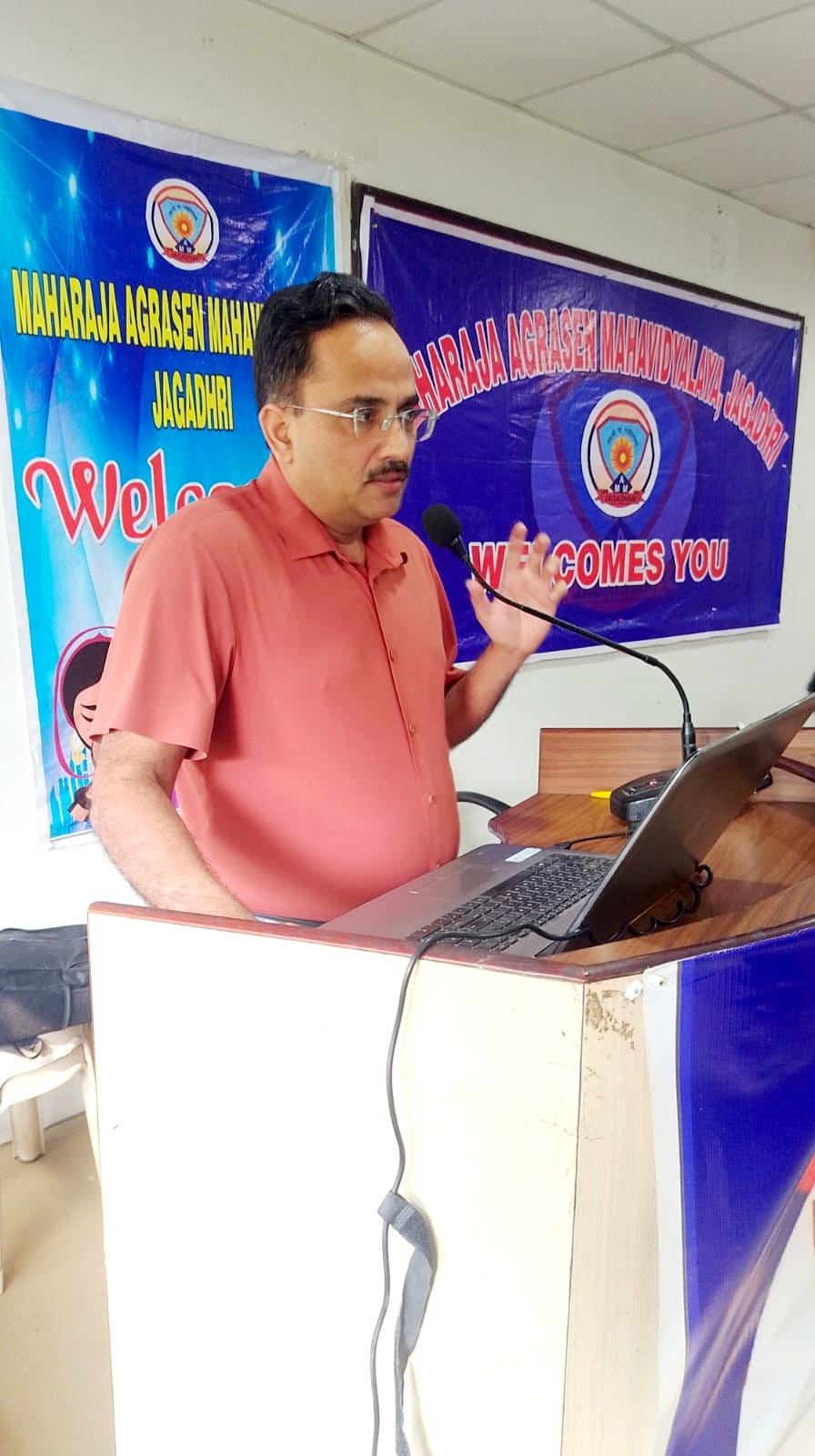
The main speaker at the programme was renowned psychiatrist Dr Divya Mangla of the Neuro Psychiatric Centre, Jagadhri, who addressed the students on the topic “Depression and Anxiety Among Students”. Through her interaction, Dr Mangla highlighted the growing concerns surrounding stress, anxiety and mental health challenges among young people and explained the importance of recognising warning signs at an early stage.
Dr Mangla spoke to the students in simple and accessible terms about some of the early signs associated with depression and emotional distress. She emphasised that changes in mood, persistent sadness, loss of interest, excessive worry and other behavioural or emotional changes should not be ignored when they persist or begin to interfere with daily life.
She also stressed the importance of sharing one’s feelings rather than dealing with emotional difficulties in isolation. According to her, students should feel comfortable talking to trusted family members, friends, teachers or professionals whenever they experience distress or find it difficult to cope with a situation.
The psychiatrist encouraged students to adopt a positive and balanced lifestyle and to seek appropriate assistance at the right time. Her message, “Every life is precious — do not suffer alone, talk,” received an encouraging response from the students and reinforced the central message of the programme.
Dr Mangla also highlighted the importance of creating an environment in which students feel heard and supported. Young people entering college may experience significant changes in their routine, relationships and expectations, making communication and access to support particularly important during the initial phase of their academic journey.
Acting Principal Dr Karuna also shared her views on the growing mental health challenges faced by students. She said academic pressure, being away from home, adjustment difficulties and anxiety linked to social media can become significant sources of stress, particularly for first-year students who are adapting to a new educational and social environment.
Dr Karuna advised students to maintain a balanced lifestyle and develop healthy routines that support both academic progress and emotional well-being. She encouraged them to practise mindfulness, remain connected with their families and friends and never hesitate to seek help when they feel overwhelmed.
She also informed students about the college’s Counselling Cell and assured them that students approaching the facility would receive appropriate support while their identity and personal concerns would be kept completely confidential. She said students should consider seeking assistance as a constructive step rather than something to be avoided because of hesitation or fear.
The interaction also underlined the importance of peer support within the college community. Students were encouraged to remain sensitive to the concerns of their classmates and to communicate with them in a supportive manner. A safe educational environment, the speakers said, depends not only on institutional mechanisms but also on mutual respect and responsible behaviour among students.
The second session of the programme focused on anti-ragging awareness. Dr Anil, coordinator of the Anti-Ragging Committee, briefed students about measures adopted to prevent ragging and explained the relevant University Grants Commission guidelines.
Dr Anil informed the students about the serious consequences of ragging and the strict action that can be taken against those found involved in such activities. He stressed that students should understand their rights and responsibilities and contribute to maintaining a safe and respectful campus environment.
He assured the first-year students that the college was committed to providing a safe and ragging-free atmosphere. Students were encouraged to report any incident or concern through the appropriate institutional mechanism rather than remaining silent.
 The anti-ragging session was particularly relevant for first-year students as they begin their transition into college life. The committee’s interaction sought to ensure that newcomers understand that harassment, intimidation or behaviour that causes physical or emotional distress has no place in an educational institution.
The programme brought together first-year students, faculty members and college officials, creating an opportunity for direct interaction on issues that can affect students’ academic experience and personal well-being. Student Welfare Dean Poonam Garg, Dr Veera and Manju were among those present.
The organisers said combining mental health awareness with anti-ragging education was intended to give first-year students a broader understanding of safety and well-being on campus. While mental health support can help students cope with personal and academic challenges, awareness of anti-ragging safeguards can help them understand the importance of maintaining a respectful campus culture.
The programme also reinforced the message that seeking assistance should not be seen as a weakness. Students were encouraged to communicate their concerns at an early stage and make use of institutional support systems whenever required.
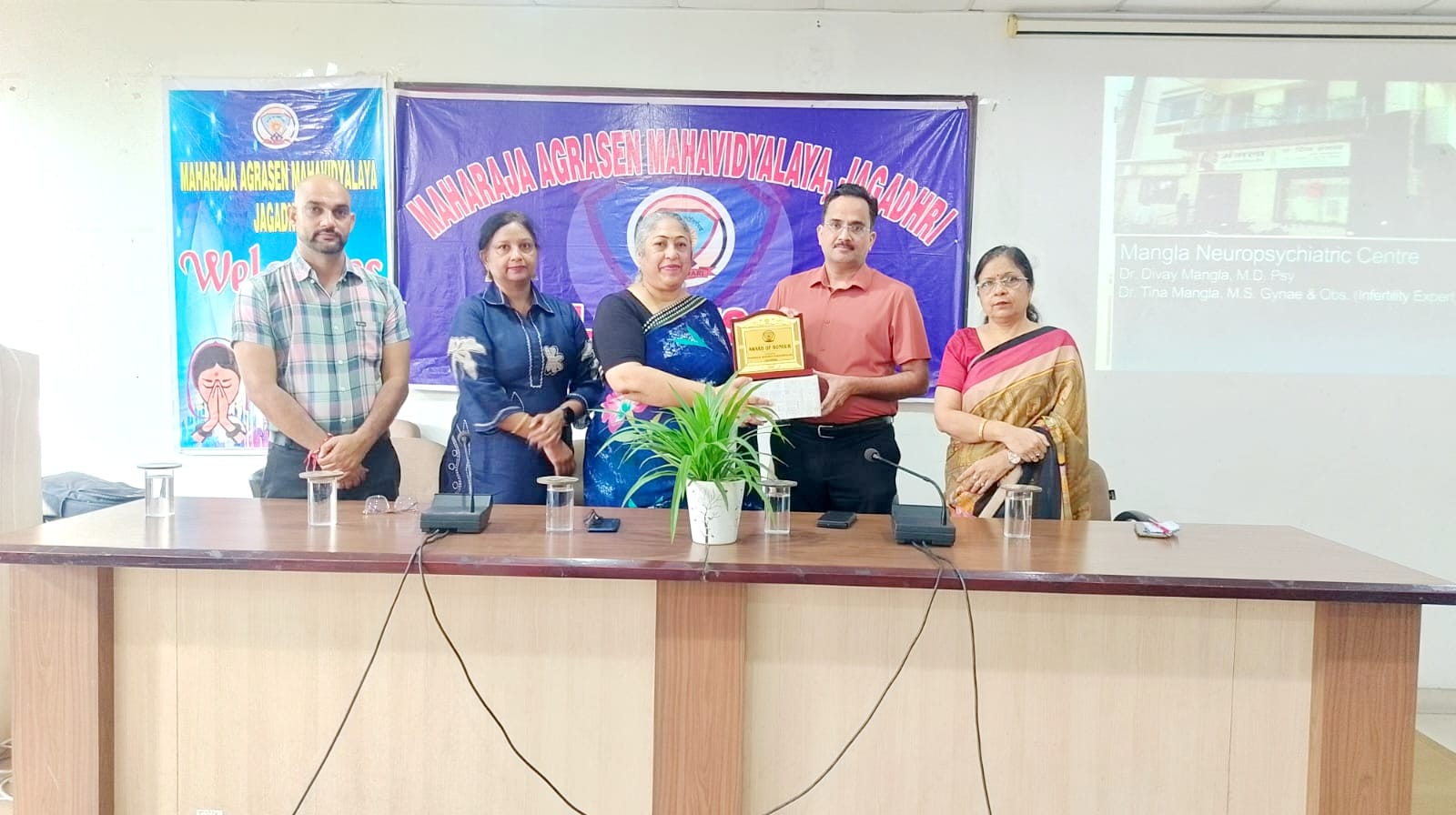
The event was conducted by Dr Anita, who anchored the proceedings. At the conclusion of the programme, Poonam Garg expressed gratitude to the guest speaker for sharing her expertise and interacting with the students.
The programme concluded with the message “Listen, understand, support and keep hope”, encouraging students to create a culture in which people feel comfortable speaking about their difficulties and receiving support.
 The organisers said such awareness initiatives are important for helping students understand that mental well-being and campus safety are integral parts of a successful college experience. By combining expert guidance on depression and anxiety with information about anti-ragging measures, the college sought to equip first-year students with knowledge and confidence to deal with challenges responsibly.
The session also highlighted the importance of maintaining open communication among students, families, teachers and support professionals. Students entering a new academic environment can face multiple forms of pressure, and timely guidance can help them navigate such challenges more effectively.
Through the programme, Maharaja Agrasen College reiterated its commitment to creating an educational environment where students can pursue their studies without fear, seek support when needed and develop healthy relationships based on mutual respect. The organisers emphasised that every student deserves to feel safe, valued and supported on campus.
POD/DESK