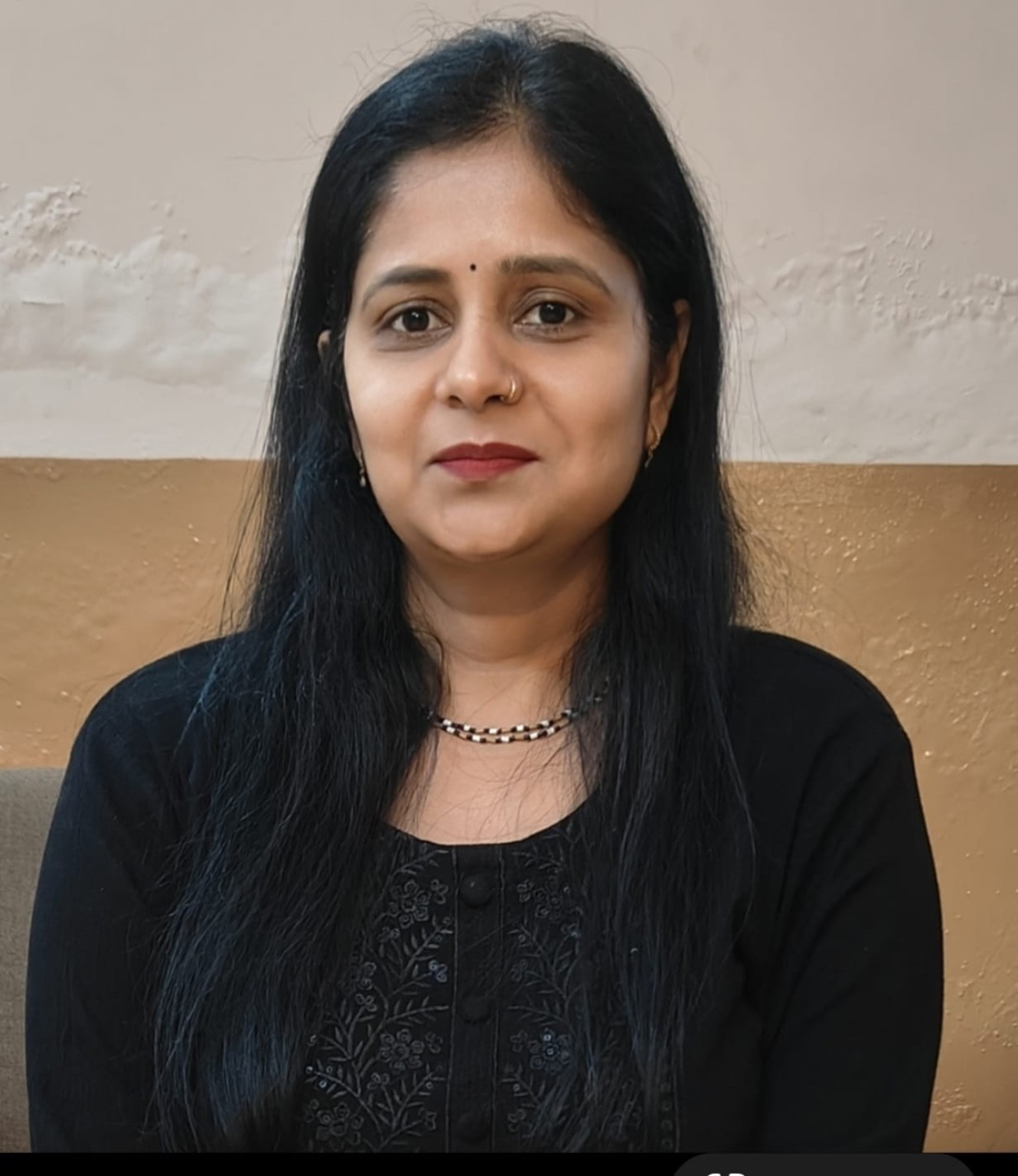
BY: KANCHAN MEHTA
M.A. Fashion Designing
Instructor, Department of Fashion Designing
Chaudhary Devi Lal University, Sirsa
PEN OF DEMOCRACY
A VOICE FOR THE PEOPLE
OPINION | EDITORIAL
Advanced Pattern Making: The Science of Giving Precise Shape to Complex Garments
A vital link between creativity and garment construction, advanced pattern making ensures accurate fitting, refined designs and efficient fabric utilisation in modern fashion designing
Fashion designing is not merely about imagining beautiful garments or selecting attractive colours. Transforming a design concept into a well-structured, wearable garment requires technical knowledge, precise measurements and creative thinking. Pattern making plays a central role in this process. In the third semester of fashion designing, Advanced Pattern Making introduces students to the technical skills required to move beyond basic garment construction and develop patterns for complex and contemporary outfits.
Understanding Advanced Pattern Making
Pattern making is the technique of developing templates for different garment components according to body measurements and the intended design. Advanced pattern making takes basic patterns further by incorporating specialised shapes, cutting techniques, volume, pleats and design modifications.
The technique is used in the construction of gowns, jackets, blazers, designer kurtis, party wear and other garments that require more complex structures. Its purpose is not limited to making an outfit visually appealing; it also aims to ensure comfort, appropriate proportions and a fit suited to the wearer.
A well-developed pattern acts as the foundation of a garment. Even an attractive design may fail to achieve the desired appearance if its pattern is not technically accurate. This makes pattern making an essential skill for anyone seeking professional competence in fashion designing.
The Importance of Body Structure and Accurate Measurements
Every individual has a distinct body structure. Differences in shoulder width, waist, bust, hips and body length require suitable adjustments in garment patterns. A standard pattern may not provide the desired fit for every wearer, making measurement-based modifications important.
In advanced pattern making, a designer studies body proportions and makes the necessary technical adjustments to develop a pattern that supports a better fit. Accurate measurements and calculations also help reduce unnecessary fabric consumption and minimise errors during garment construction.
Understanding the relationship between body measurements and garment shape enables students to approach design with greater precision. It also helps them recognise that comfort, movement and appearance must be considered together while developing a garment.
Creative Pattern Manipulation Techniques
One of the most important aspects of advanced pattern making is pattern manipulation, which involves modifying a basic pattern to achieve a particular design effect. Techniques such as dart manipulation, panel cutting, pleats, gathers and variations in sleeve and collar designs allow designers to create a wide range of garment styles.
Through dart manipulation, for example, shaping can be repositioned to suit the design requirement. Panel cutting can introduce structure and visual variation, while pleats and gathers can add volume and movement. Sleeve and collar variations further expand the possibilities available to a designer.
These methods allow several designs to be developed from a basic pattern. For students, learning these techniques strengthens both imagination and technical ability. It encourages them to understand how a design can be translated into garment components rather than relying only on visual inspiration.
LATEST EDUCATION UPDATES
CBSE Workshop on Social Emotional Learning at St. Lawrence International School
How Modern Technology Is Transforming the Fashion Industry
Technology is bringing significant changes to the fashion industry. Computer-Aided Design (CAD) and digital pattern making are increasingly being used to develop, modify and grade garment patterns in a systematic manner.
Digital tools can make it easier to revise pattern dimensions, prepare different sizes and organise pattern components. Three-dimensional virtual fitting technologies also allow designers to assess the probable fit and appearance of a garment before producing the physical sample.
Such methods can help save time, labour and material by allowing certain design and fitting issues to be examined at an earlier stage. However, technology works most effectively when supported by a sound understanding of measurements, garment construction and pattern-making principles.
Career Opportunities for Students
Knowledge of advanced pattern making can open several professional avenues for students of fashion designing. Skilled candidates may explore opportunities as fashion designers, pattern makers, garment technologists and apparel production specialists.
The skill is also useful for those who wish to establish their own design studios, operate designer boutiques or pursue self-employment in garment development. A strong command of pattern making enables professionals to communicate more effectively with production teams and convert design ideas into technically workable garments.
As the fashion industry continues to evolve, the ability to combine creativity with precision remains valuable. Students who develop practical expertise in pattern construction and modern digital tools can strengthen their professional readiness.
The Foundation of Design Excellence
Advanced pattern making represents a meaningful blend of art and science in fashion designing. For a successful designer, creating an attractive concept is only one part of the process; the ability to transform that concept into a precise, comfortable and well-constructed garment is equally important.
By developing measurement skills, understanding body proportions, mastering pattern manipulation and adapting to modern technology, students can build a strong foundation for professional growth. Ultimately, technical proficiency in advanced pattern making helps turn creative vision into wearable design and supports greater efficiency and success in the fashion industry.
MORE FROM PEN OF DEMOCRACY
EDITORIAL NOTE
This editorial by Kanchan Mehta examines advanced pattern making as an essential technical discipline in fashion designing, highlighting accurate measurements, pattern manipulation, digital tools and the professional opportunities available to trained students.
PEN OF DEMOCRACY
A VOICE FOR THE PEOPLE