YAMUNANAGAR | PEN OF DEMOCRACY NEWS DESK
Yamunanagar Police has issued a detailed public advisory warning citizens about a growing form of cyber fraud involving QR codes, urging people to remain cautious while making or receiving digital payments.
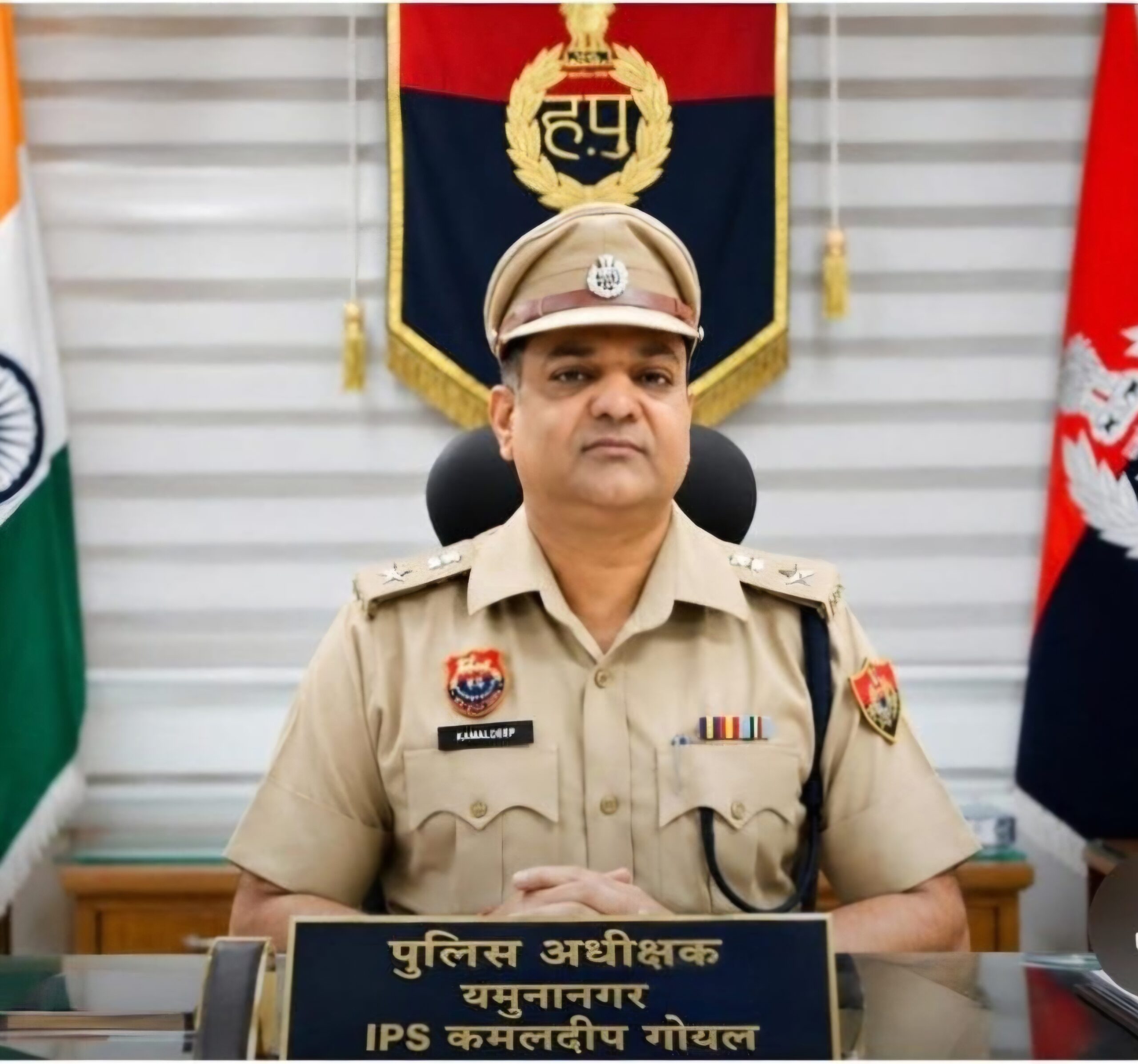
The advisory, issued on the directions of Superintendent of Police Kamaldeep Goyal, IPS, highlights how cybercriminals are exploiting the increasing use of digital payments to deceive unsuspecting people. Police said fraudsters often contact victims while posing as buyers, customers or representatives of companies and claim that they want to transfer money into the victim’s bank account.
The victim is then sent a QR code and asked to scan it to receive the payment. Police have cautioned that following such instructions can result in money being debited from the victim’s account instead.
Understanding the QR Code Fraud
According to the police advisory, one of the most important points for citizens to understand is that a QR code used in a payment application can facilitate a payment by the person scanning it. It should not be treated as a method for receiving money simply because another person claims that scanning the code will result in a payment being credited.
Cybercriminals may create a sense of urgency by telling the victim that the QR code must be scanned immediately for a payment to be processed. In some cases, they may also use the identity of a buyer, customer or company representative to make the request appear genuine.
Police have therefore advised people not to scan QR codes received from unknown persons, particularly when the person claims that the scan is required to receive money.
For a legitimate payment transfer, citizens should independently verify the sender or recipient and use trusted payment details rather than following instructions from an unknown caller or online contact.
Do Not Confuse Sending Money With Receiving Money
The police advisory specifically urges citizens to understand the difference between making a payment and receiving money through digital platforms.
If a person is sending money through UPI, the transaction requires appropriate payment details such as a verified UPI ID or mobile number. Simply scanning an unknown QR code on the instruction of another person can initiate a payment transaction instead of crediting money to the account.
Citizens should therefore stop and verify the purpose of any QR code before scanning it. A request such as “scan this code and you will receive the money” should be treated as a warning sign, particularly when it comes from an unknown person.
Key Safety Precautions Issued By Yamunanagar Police
The district police have advised citizens to follow several precautions while using digital payment services.
- Do not scan a QR code sent by an unknown person.
- Do not scan a code merely because someone claims it is necessary to receive money.
- Verify the identity of the person involved before completing a transaction.
- Stop a transaction immediately if it appears suspicious.
- Never share banking credentials, UPI PINs, passwords or other sensitive financial information.
- Use official and trusted payment platforms and verify transaction details carefully.
- Do not make financial decisions under pressure, temptation or in haste.
Warning Signs That Should Raise Suspicion
The police advisory lists several situations in which people should immediately become cautious. A person sending a QR code while claiming that it is required to transfer money is one such warning sign. Similarly, pressure to scan a code quickly should be treated with suspicion.
Unexpected calls or messages from unknown mobile numbers or social media accounts should also be approached carefully, particularly when they involve financial transactions.
Citizens should be cautious if an unknown person asks them to complete a transaction without a clear reason or tells them that they must scan a QR code first and will receive money afterwards.
What To Do If Money Is Lost
The police have urged victims of cyber financial fraud to act immediately rather than waiting. Anyone who believes that they have been cheated through a digital payment should immediately contact the National Cyber Crime Helpline at 1930 and report the incident. A complaint can also be registered through the government’s cybercrime reporting portal at cyber-crime.gov.in.
Citizens have additionally been advised to inform the nearest police station or cyber cell about the incident. They should preserve transaction details, messages, phone numbers and other relevant information connected with the suspected fraud.
Prompt reporting can help authorities take appropriate steps in cases of suspected financial cybercrime, while victims should provide investigators with as much transaction-related information as possible.
The advisory forms part of the wider effort to increase public awareness about digital-payment fraud at a time when QR codes and UPI-based transactions have become an integral part of everyday financial activity.
Police have appealed to citizens to remain alert and avoid responding to suspicious payment requests. The central message of the advisory is that people should never scan an unfamiliar QR code merely because someone promises that money will be credited to their account.
With cyber fraud increasingly relying on deceptive communication and social engineering, police said awareness and caution remain important safeguards for citizens using digital payment services.
YAMUNANAGAR | PEN OF DEMOCRACY NEWS DESK