Experts urge students to speak openly about emotional distress, seek timely help and use sports, yoga and positive thinking to strengthen mental well-being
YAMUNANAGAR | PEN OF DEMOCRACY NEWS DESK
Keeping mental distress and negative thoughts confined to oneself can aggravate emotional difficulties, while timely communication with family members, friends and mental health professionals can play an important role in seeking support, Psychiatric Officer Lubhanshi Vaid said while addressing students at a mental health awareness programme organised at DAV College for Girls on the occasion of World Suicide Prevention Day.
The programme was organised jointly by the Departments of Home Science and Psychology and the National Service Scheme (NSS) Unit of the college. Acting Principal Dr Surinder Kaur, Head of the Home Science Department Parul Singh and NSS Programme Officer Kanika Goyal presided over the programme.
Addressing the students, Vaid emphasised the importance of open communication in dealing with emotional stress and psychological difficulties. She said people should avoid suppressing their feelings and instead share them with someone they trust. According to her, seeking help at the right time should not be viewed as a sign of weakness but as a sensible and responsible step towards protecting one’s mental well-being.
She encouraged students to develop a supportive environment in which they feel comfortable discussing their concerns. Emotional difficulties can become more challenging when individuals isolate themselves or hesitate to communicate their feelings. Talking to trusted family members, friends or professionals can provide an important avenue for understanding problems and seeking appropriate assistance.
Vaid also highlighted the role of positive thinking and healthy social interaction in maintaining emotional balance. She encouraged students to remain connected with constructive activities and supportive people rather than allowing stress and negative thoughts to remain unaddressed.
The awareness programme also focused on the role of physical activity in improving mental health. Hockey coach Harjit Kaur said regular participation in sports can help reduce stress while simultaneously improving confidence and encouraging a positive outlook. She said sporting activities provide students with opportunities to remain physically active, interact with others and develop discipline and self-confidence.
Kaur stressed that sports should not be viewed merely as a competitive activity. Regular physical exercise can also become an important part of a healthy routine, helping students manage academic and personal pressures more effectively. Participation in team sports can additionally strengthen communication, cooperation and a sense of belonging.
AYUSH Department yoga instructor Preeti Biswas highlighted the usefulness of yoga and meditation for mental calm and emotional balance. She encouraged students to incorporate suitable yoga practices and meditation into their daily routines as part of a broader approach to maintaining mental well-being.
The programme sought to convey that mental health deserves the same attention and care as physical health. Students were encouraged to recognise signs of emotional distress and to avoid dealing with serious concerns in isolation. The speakers emphasised communication, timely assistance, physical activity and positive engagement as important elements of a healthier lifestyle.
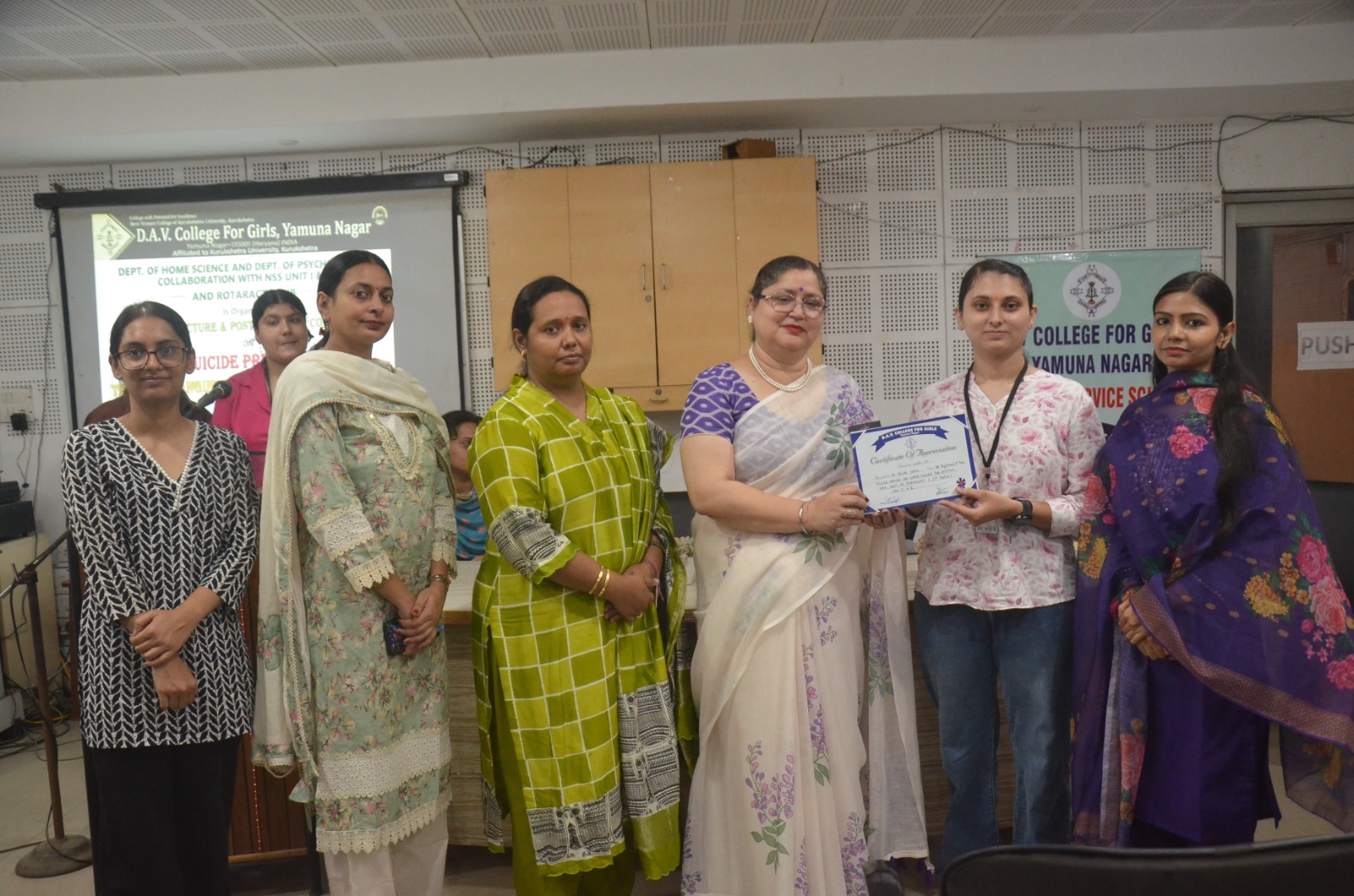
A poster-making competition was also organised as part of the awareness programme, providing students with a creative platform to express messages related to mental health and suicide prevention. A total of 33 students participated in the competition.
Palak Saini, a final-year BA Psychology Honours student, secured the first position in the poster-making competition. Antra Sharma, a first-year BA student, stood second, while Nargis, a fourth-year BA Psychology Honours student, secured the third position. Mahak and Harpreet received consolation prizes.
The posters served as a visual medium to communicate the importance of emotional support, conversation and timely assistance. Through their creative work, students highlighted the need to encourage people experiencing mental distress to reach out rather than remain isolated.
The organisers said the purpose of the programme was to create greater awareness among students about mental health and encourage them to communicate openly during difficult periods. The message was particularly focused on avoiding isolation when facing emotional problems and seeking help at an appropriate time.
The speakers also stressed that creating a supportive environment is a collective responsibility. Families, educational institutions, friends and professionals can all contribute to helping individuals deal with emotional challenges. Students were encouraged to be sensitive towards the concerns of their peers and to respond with understanding rather than judgement.
The event also reinforced the importance of maintaining a balanced routine. Positive thinking, sports, yoga, meditation and meaningful interaction can complement professional support and help individuals develop healthier ways of coping with everyday pressures. The speakers urged students to identify activities that contribute positively to their emotional and physical well-being.
The programme provided an opportunity for students to engage with experts and understand the importance of discussing mental health concerns without hesitation. The organisers emphasised that timely communication can help prevent emotional difficulties from becoming more severe and can encourage individuals to seek appropriate support.
College authorities said awareness initiatives of this nature are important for creating an environment where students can discuss mental health without fear or stigma. Educational institutions have an important role in promoting awareness, encouraging healthy habits and helping students understand when professional assistance may be necessary.
The participation of students in the poster-making competition also added a creative dimension to the awareness campaign. The competition allowed them to communicate their understanding of mental health through visual messages and encouraged peer-to-peer awareness.
The event concluded with an emphasis on the importance of staying connected and seeking support during difficult times. Students were encouraged to remember that asking for help is a responsible step and that emotional struggles should not be faced alone.
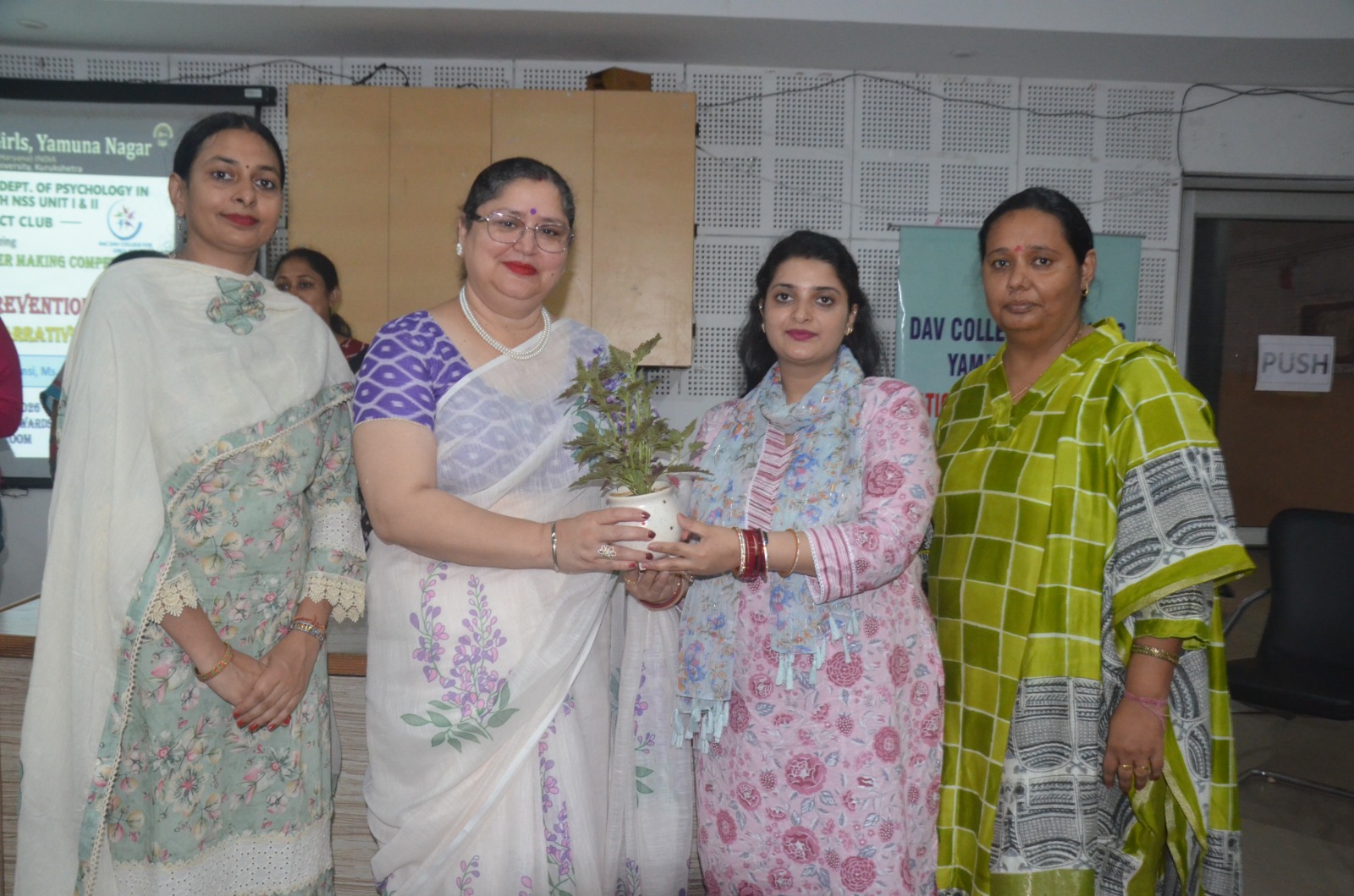 The successful organisation of the programme was supported by Dr Parmesh Kumar, Minal, Mansi, Vidhi and Indu. Their coordination contributed to the smooth conduct of the awareness session and the poster-making competition.
The programme at DAV College for Girls thus combined expert interaction, sports awareness, yoga and creative expression to convey a wider message about mental health. The organisers said the objective was to encourage students to communicate openly, recognise the importance of emotional well-being and seek timely assistance whenever required.
The central message of the programme remained clear: keeping distress and negative thoughts to oneself can deepen difficulties, while reaching out to trusted people and professionals can be an important first step towards support. By promoting communication, positive thinking, physical activity, yoga and mutual understanding, the college sought to encourage students to build healthier and more resilient approaches to mental well-being.
POD/DESK