Schools, police, health, panchayats and municipal authorities directed to intensify awareness, enforcement, de-addiction and monitoring efforts
YAMUNANAGAR | PEN OF DEMOCRACY NEWS DESK
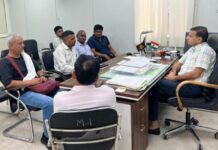
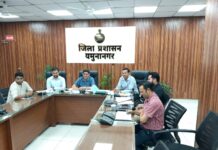
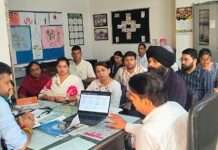
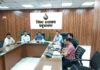
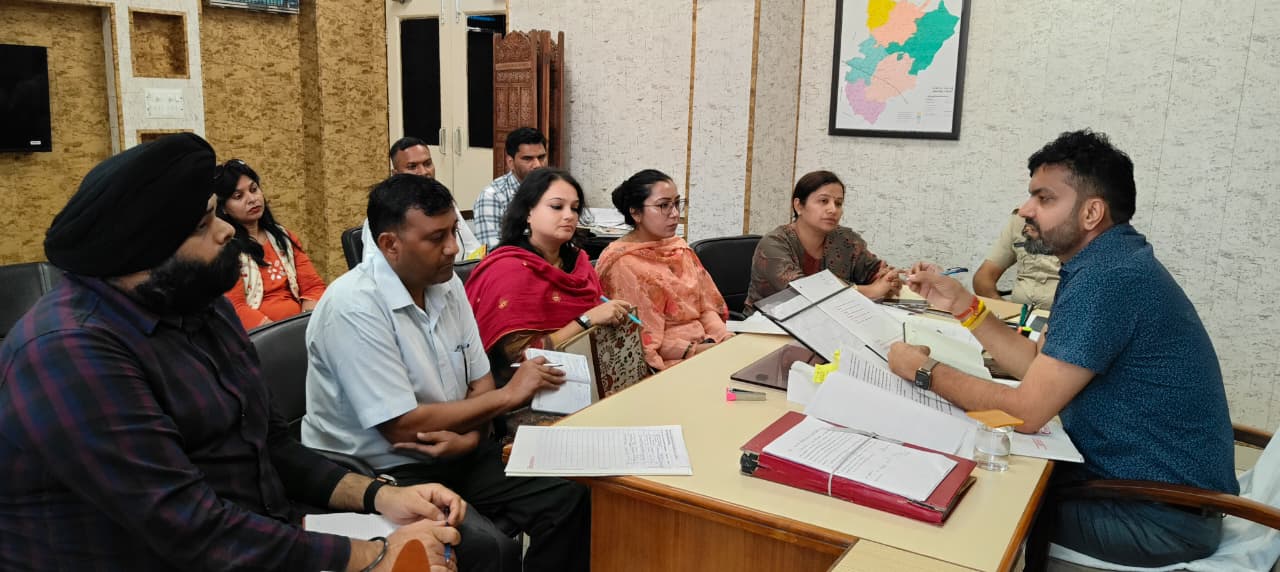
In a coordinated effort to curb drug abuse and prevent the sale and trafficking of narcotics in the Vyaspur sub-division, SDM Dr Kuldeep Singh chaired a meeting of officials from the education, police, Panchayati Raj, health, municipal and other concerned departments at his office. The meeting focused on preparing a department-wise action plan to check drug-related activities, keep young people away from substance abuse and ensure treatment and rehabilitation facilities for those struggling with addiction.
Dr Kuldeep Singh said that the problem of drug abuse cannot be effectively addressed through administrative action alone. He stressed the need for public participation, coordinated efforts among government departments and a sustained awareness campaign at the grassroots level.
The SDM said that the administration must adopt a comprehensive approach that combines strict action against drug suppliers and traffickers with preventive awareness programmes, youth engagement, medical intervention and rehabilitation support for people affected by addiction.
Directing officials of the Education Department, Dr Singh said that schools and colleges should encourage greater participation in NCC, NSS, sports and other constructive activities. He said that young people should be provided with positive opportunities and encouraged to remain engaged in activities that promote discipline, fitness, teamwork and personal development.
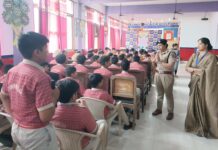
He also instructed education officials to organise regular awareness programmes in educational institutions to inform students about the harmful effects of drug abuse. Such programmes, he said, should help students understand the social, physical and psychological consequences of addiction and encourage them to make informed and responsible choices.
The SDM directed the police department to identify individuals involved in the illegal sale and trafficking of narcotic substances and take strict legal action against them in accordance with the law. He said that action against drug suppliers and trafficking networks must continue alongside preventive measures aimed at protecting vulnerable sections, particularly young people.
Police officials were also asked to work in coordination with other concerned departments to identify people affected by drug addiction and connect them with appropriate treatment and de-addiction services. Dr Singh said that rehabilitation and medical assistance are important components of the broader campaign against substance abuse.
During the meeting, all department heads were instructed to identify plants that may be used for producing narcotic substances, including cannabis, in and around their offices and surrounding areas. Such plants should be dealt with and destroyed in accordance with the prescribed rules and procedures.
The Health Department was directed to organise regular de-addiction and health awareness camps for people affected by substance abuse. The administration emphasised the need to make treatment and support services accessible so that individuals struggling with addiction can receive timely medical assistance and rehabilitation support.
The SDM also called for regular inspections of medical stores. Officials were asked to examine licences, medicine records and the sale of restricted drugs to ensure that pharmaceutical establishments comply with applicable regulations.
Special attention was also directed towards checking the functionality of CCTV cameras installed at medical stores. Dr Singh said that proper monitoring and record verification could help strengthen oversight and prevent the illegal sale or misuse of restricted medicines. He instructed officials to initiate action as per rules wherever violations are found.
Highlighting the importance of community participation, Dr Kuldeep Singh directed Panchayati Raj institutions to launch anti-drug campaigns in villages with the cooperation of sarpanches, panches and other public representatives. He said that local leadership and community involvement are essential for creating awareness and identifying drug-related concerns at an early stage.
The SDM said that efforts should be made at the village level to connect young people with sports and other positive activities. Encouraging youth participation in playgrounds, sports competitions and constructive social programmes can play an important role in steering them away from substance abuse, he added.
Municipal authorities were directed to maintain special surveillance and conduct inspections at playgrounds, parks and other sensitive public places across the sub-division. Dr Singh said that these spaces must not be allowed to be misused for drug consumption or illegal sale of narcotic substances, making regular monitoring essential.
The meeting included a detailed discussion on identifying the illegal sale and trafficking of narcotics, taking action against drug suppliers, providing treatment and rehabilitation to people affected by addiction, organising awareness campaigns in schools and colleges, inspecting medical stores and identifying narcotic plants.
Officials also discussed ways to increase public participation in both rural and urban areas and strengthen coordination among different departments. The administration underlined that the anti-drug campaign would require sustained action at multiple levels, ranging from enforcement and surveillance to awareness, prevention, treatment and rehabilitation.
Dr Kuldeep Singh urged all departments to carry out their assigned responsibilities effectively and maintain close coordination with one another. He said that collective efforts involving government agencies, educational institutions, health services, local bodies and the public are necessary to build an effective response against drug abuse.
The meeting was attended by Sadhora police station in-charge Lakhwinder Singh, Sadhora Naib Tehsildar Kuldeep Singh, BDPO Sadhora Neha Sharma, BDPO Vyaspur Shabnam Rehlan, Gram Sachiv Brijesh, Assistant Professor Dr Nandini and Assistant Professor Anita from Government College Ahadwala, along with officials and employees from various departments.
The administration’s proposed action plan aims to combine strict action against drug trafficking with awareness and rehabilitation measures, while increasing vigilance at educational institutions, medical establishments, public spaces and the grassroots level.
POD/DESK