Litigants can seek settlement of bank loan, motor accident, NI Act, criminal, revenue and matrimonial matters through mutual consent
KURUKSHETRA | PEN OF DEMOCRACY NEWS DESK
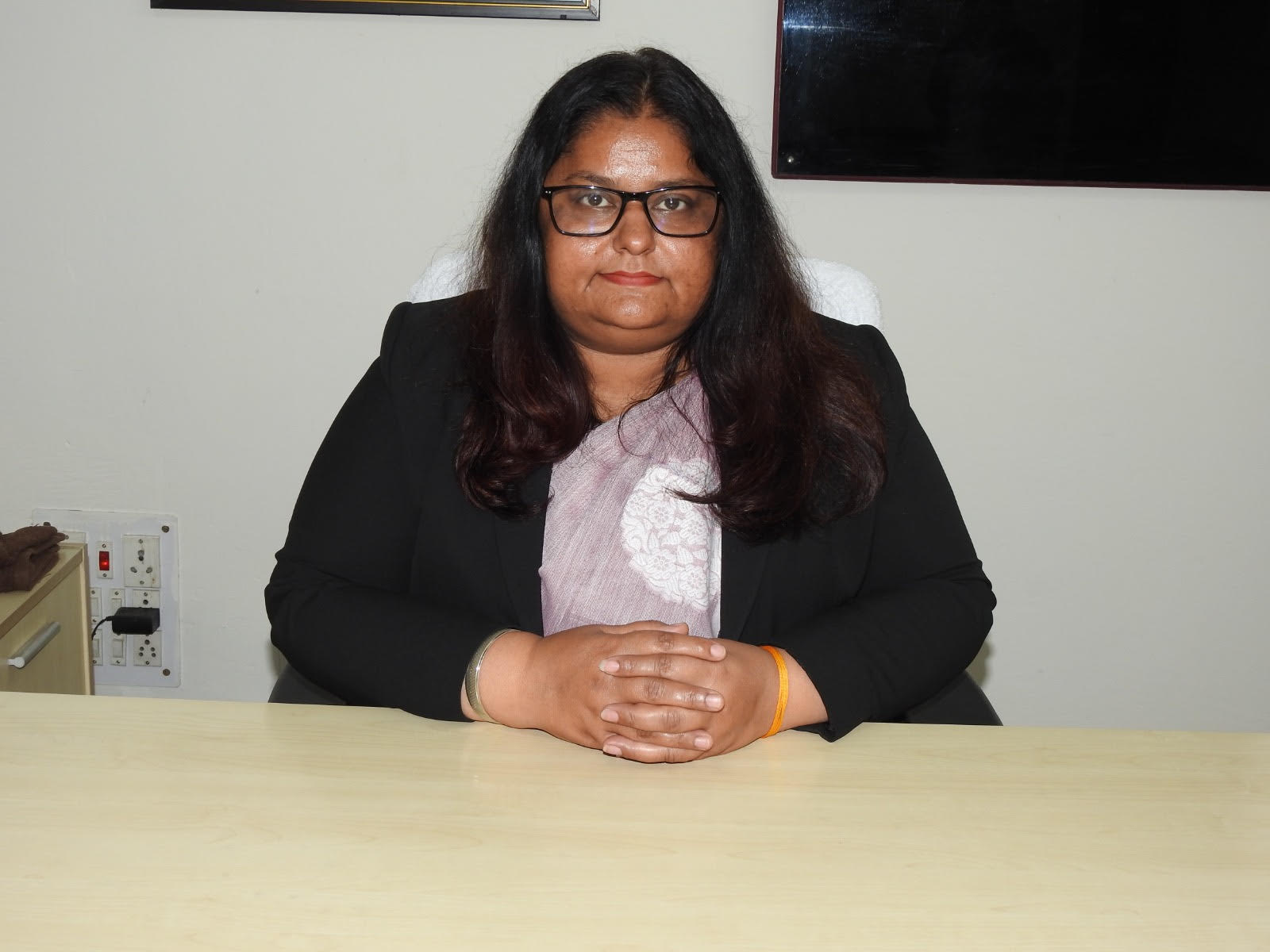
District Legal Services Authority Secretary and Chief Judicial Magistrate Nitika Bhardwaj said that a National Lok Adalat will be organised at the Judicial Complex on September 12, 2026, under the direction of the National Legal Services Authority and the Haryana State Legal Services Authority. The initiative is aimed at providing litigants with a convenient opportunity to settle eligible pending cases through mutual consent, compromise and amicable settlement.
Bhardwaj said litigants whose cases are pending before the courts can approach the National Lok Adalat either personally or through their advocates to seek settlement of their matters. The Lok Adalat provides an alternative mechanism through which disputes capable of being resolved through mutual agreement can be settled in a cordial and cooperative environment.
She said the objective of organising the National Lok Adalat is to facilitate the disposal of pending cases through mutual cooperation between the parties. Instead of continuing prolonged litigation, eligible matters can be brought before the Lok Adalat where both sides are given an opportunity to discuss the dispute and arrive at a mutually acceptable settlement.
The DLSA Secretary said the Lok Adalat mechanism is particularly useful in matters where the parties are willing to resolve their differences through compromise. The process focuses on consensus rather than an adversarial approach, allowing both parties to participate in finding a practical solution to their dispute.
She said the National Lok Adalat scheduled for September 12 will take up several categories of cases that are capable of being settled through the prescribed legal process. These include bank loan-related matters, motor accident cases, matters under the Negotiable Instruments Act, criminal cases eligible for settlement, revenue matters and matrimonial disputes.
Bhardwaj appealed to people whose eligible cases are pending in court to make use of the opportunity and approach the District Legal Services Authority or their respective advocates for information regarding the process. She said litigants can seek settlement either by appearing themselves or through their authorised legal representatives.
The Lok Adalat system provides several advantages to litigants. One of the major benefits is the possibility of obtaining speedy and accessible justice without going through lengthy court proceedings. Since cases are resolved through mutual consent, the process can save considerable time and reduce litigation-related expenses for the parties.
She explained that when both parties agree to settle a dispute, the matter can be resolved in a cordial manner. This approach can also help preserve relationships in disputes where continued litigation may otherwise create further tension between the parties.
According to Bhardwaj, the decision pronounced by a Lok Adalat has the same legal significance as prescribed for an order of a regular court in the matters covered by the Lok Adalat settlement. A settlement reached through the Lok Adalat is final in nature and, as per the applicable legal framework, an appeal cannot be filed against a Lok Adalat award.
She said this feature provides certainty to the parties because once a matter is settled through the Lok Adalat with their consent, the dispute reaches its final stage under the applicable provisions.
The DLSA Secretary emphasised that Lok Adalats are not designed to declare one party a winner and the other a loser. Instead, their primary purpose is to facilitate a settlement that is acceptable to both sides. The parties themselves participate in determining the terms of settlement, subject to the legal requirements applicable to the case.
She said this makes the Lok Adalat particularly effective for disputes where both parties are prepared to reach a compromise. The process can help reduce the burden of pending litigation while also providing litigants with an opportunity to resolve their disputes without prolonged proceedings.
Bhardwaj said the National Legal Services Authority and Haryana State Legal Services Authority regularly organise Lok Adalats as part of the legal services framework aimed at making justice more accessible to citizens. Such initiatives are particularly significant for people who may find lengthy litigation financially and practically difficult.
She urged litigants to carefully assess whether their pending matters can be resolved through mutual consent and, where appropriate, approach the legal services authorities for assistance. Eligible persons can also seek guidance from their advocates regarding whether their cases fall within the categories that can be taken up for settlement.
The DLSA Secretary said legal services institutions are committed to ensuring that citizens are able to access justice without unnecessary difficulty. The National Lok Adalat is another opportunity for litigants to resolve eligible disputes through a process based on cooperation, compromise and mutual understanding.
She highlighted the importance of resolving disputes wherever possible through dialogue and consensus. In addition to reducing the time and cost involved in litigation, amicable settlement can help parties move forward without the prolonged uncertainty associated with pending cases.
Bhardwaj said the September 12 National Lok Adalat will therefore provide an important opportunity to eligible litigants to seek final settlement of their cases. She encouraged interested persons to approach the concerned court, District Legal Services Authority or their advocates in advance so that the necessary formalities can be completed.
She reiterated that the key strength of the Lok Adalat process is mutual consent. Both parties are given the opportunity to place their views and work towards an acceptable resolution. Where settlement is reached in accordance with law, the matter can be disposed of through the Lok Adalat.
The DLSA Secretary said litigants should take advantage of the National Lok Adalat rather than allowing eligible disputes to remain pending unnecessarily. She stressed that the process can help provide timely resolution while reducing the financial and emotional burden associated with prolonged litigation.
She concluded by appealing to eligible litigants to participate in the National Lok Adalat on September 12 and explore the possibility of settling their pending disputes through mutual agreement. The initiative, she said, is aimed at promoting speedy, affordable and accessible justice, while helping reduce the burden of pending cases on the judicial system.
POD/DESK