A 24-part learning journey takes fashion design students from illustration and garment construction to portfolio development, sustainable fashion and career opportunities.
CHANDIGARH / PEN OF DEMOCRACY EDITORIAL DESK
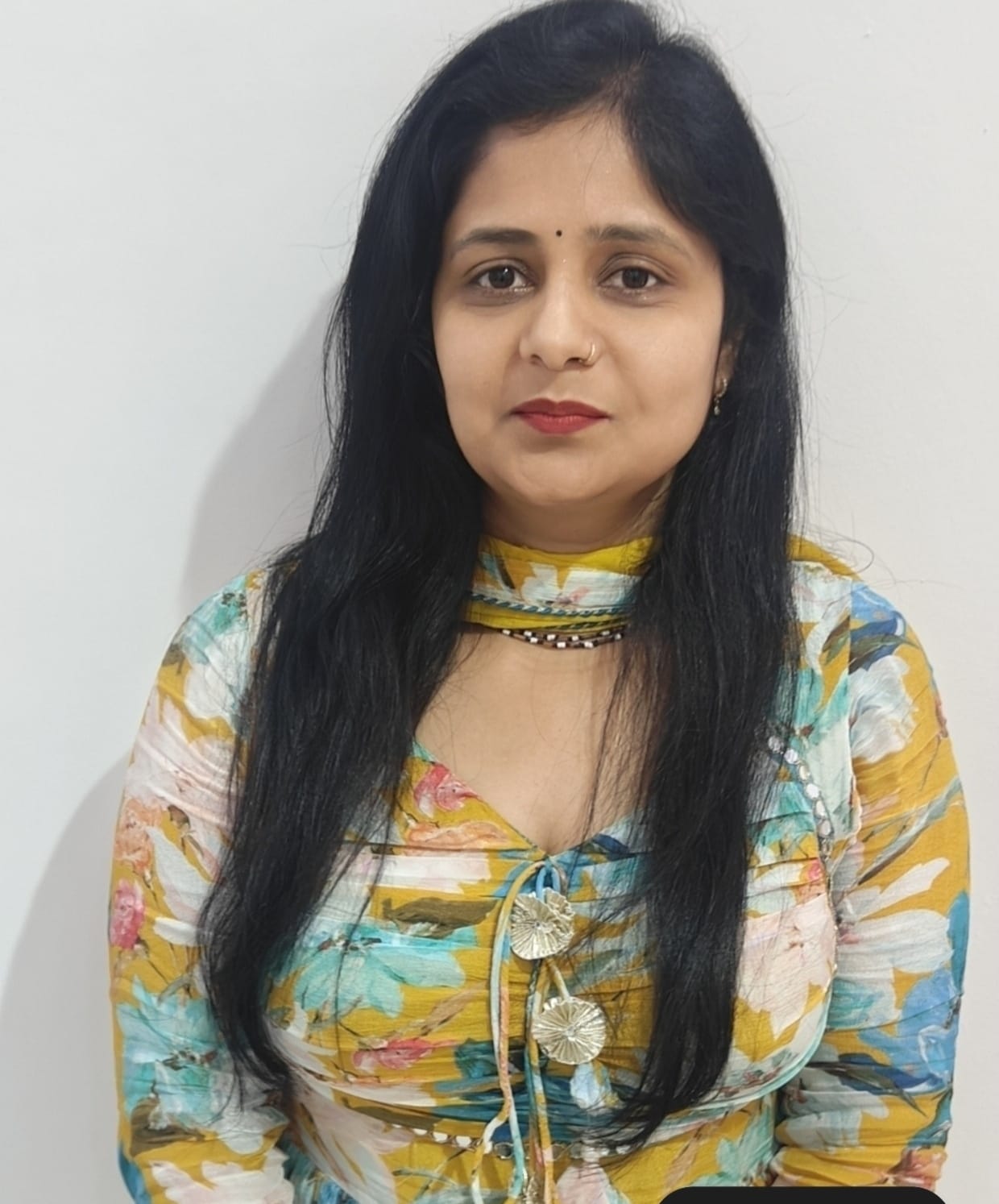
Kanchan Mehta
M.A. Fashion Designing
Instructor, Chaudhary Devi Lal University, Sirsa
Fashion designing is not merely the art of creating beautiful garments; it is a unique combination of imagination, technical knowledge, creativity and professional understanding. Across this 24-part series, an effort has been made to introduce students to the different dimensions of fashion designing. From the fundamentals of design concepts to the final fashion collection, portfolio development and employment opportunities, the series has offered a structured learning journey aimed at strengthening students’ skills.
From Fashion Illustration to Design Development
The initial parts of the series explored fashion figure proportions, attractive poses, fabric fall, texture and colour combinations. Students learned that a successful design depends not only on an appealing illustration but also on correct proportions, a clear theme and effective presentation. The process of developing theme-based fashion collections helped guide creative thinking and showed how an idea can be transformed into a coherent design concept.
The Importance of Pattern Making and Draping
The subsequent parts covered essential techniques such as taking accurate body measurements, developing a basic bodice block, dart manipulation and pattern making for kurtis, skirts and sleeves. Draping techniques demonstrated how fabric can be shaped directly on a dress form to develop attractive garments.
The objective of these techniques was to help students move from the initial imagination of a design to the practical stages of garment construction. Understanding measurements, fit, fabric behaviour and construction methods enables aspiring designers to create garments that are not only visually appealing but also functional and wearable.
RELATED READING
Combining Textiles with Traditional Art
The study of natural and man-made fibres, weaving, knitting and fabric structures helped students understand textile quality and suitability for different uses. Topics such as tie-dye, batik, block printing, appliqué, patchwork and traditional embroidery introduced learners to the rich heritage of Indian textile crafts.
The series also highlighted the importance of preserving traditional art within contemporary fashion. By combining heritage techniques with modern design ideas, students can explore distinctive creative possibilities while recognising the cultural knowledge and craftsmanship behind traditional textiles.
Digital Technology and Business Understanding
Computer applications, digital sketching, mood boards, theme boards and fashion portfolio development demonstrated the growing role of technology in the design process. These tools help designers communicate concepts clearly, organise visual references and present their work professionally.
The series also explored fashion merchandising, retail, visual merchandising, branding and pricing, connecting creative design with business realities. Students were introduced to the idea that a successful fashion product requires not only originality but also an understanding of its intended audience, market positioning and commercial value.
Sustainable fashion, upcycling and zero-waste approaches brought environmental responsibility into the discussion. These practices encourage designers to reconsider the use of materials, reduce unnecessary waste and explore ways to extend the life of textiles and garments.
The Final Fashion Collection and Career Pathways
At the final stage of their training, students should work towards developing a theme-based collection of three garments. The project should bring together design sketches, fabric selection, pattern development, stitching, costing and final presentation. It allows students to apply the knowledge acquired throughout their training in a practical and organised manner.
A well-developed portfolio serves as a visual record of a student’s creativity, technical ability, design development and individual identity. It can also help communicate professional readiness to potential employers, clients or institutions.
After acquiring these skills, students may explore opportunities as fashion designers, pattern makers, boutique owners, fashion illustrators and merchandising assistants. They may also consider entrepreneurship and self-employment, depending on their interests, abilities and access to resources. Continued learning and practical experience remain important for building a sustainable career in this evolving field.
The Way Forward
The central purpose of this 24-part series has been to go beyond theoretical knowledge and help students become skilled, confident and employment-oriented. The fashion industry continues to evolve, making regular practice, awareness of emerging techniques and original thinking essential for professional growth.
Students should continue experimenting with fabrics, refining their construction skills, documenting their work and developing a distinctive design approach. A strong foundation in technical skills, combined with creative curiosity and professional discipline, can help them adapt to changing opportunities in the fashion sector.
EDITORIAL TAKEAWAY
The real formula for success in fashion designing is to transform imagination into design, design into garments, and skills into self-reliance.
PEN OF DEMOCRACY
EDITORIAL DESK
A Voice for the People