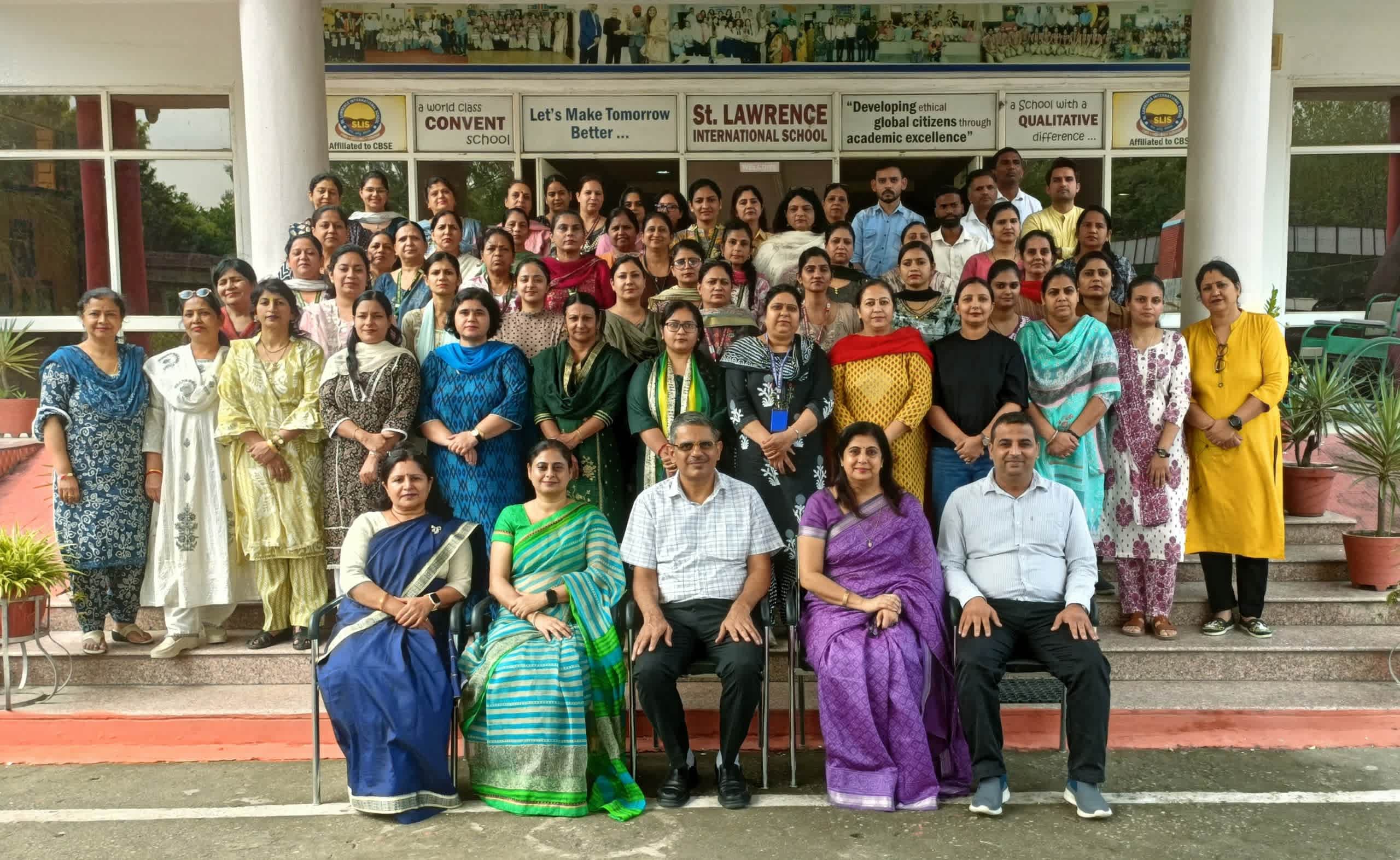
St Lawrence International School on Pabni Road in Jagadhri hosted a two-day Central Board of Secondary Education (CBSE) capacity-building workshop on English Core, bringing together 60 participants from 11 schools across Yamunanagar, Ambala and Karnal districts. The programme focused on strengthening classroom practices, improving language instruction and introducing teachers to approaches that encourage students to communicate with confidence.
The workshop was held under the chairmanship of noted educationist Dr M. K. Sehgal. It began with the lighting of the ceremonial lamp and Saraswati Vandana by CBSE-nominated resource persons Sudesh Sharma and Taranpreet Kaur, along with school principal Pooja Batra.
Addressing the gathering, Dr Sehgal said English should not be viewed merely as an academic subject but as an important medium of expression, communication and self-confidence. He emphasised that teachers could help students develop a stronger command of the language by encouraging creative, practical and engaging learning experiences.
Focus on Deeper Understanding of English Core
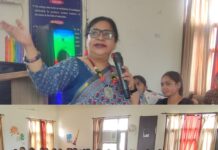
Resource person Sudesh Sharma delivered a detailed session on effective teaching strategies for English Core at the senior secondary level. She explained that English teaching should go beyond completing the prescribed syllabus and aim to develop students’ understanding of language, critical thinking, logical analysis and the ability to present ideas clearly.
She discussed key aspects of the English curriculum, including literary interpretation, reading comprehension, creative writing, writing skills and the logical presentation of arguments. Teachers were encouraged to help students explore literary texts, understand characters’ perspectives, identify literary features and connect classroom learning with contemporary life.
The session highlighted the importance of moving beyond rote learning. Students benefit when teachers encourage them to interpret texts, ask questions, support their views with reasoning and relate what they read to their own experiences and the world around them.
Making Language Learning Interactive and Student-Centred
Resource person Taranpreet Kaur focused on making English teaching more engaging, interactive and student-centred. She highlighted the role of art-integrated learning, experiential learning and technology integration in creating opportunities for active student participation.
She encouraged teachers to create classroom environments in which students feel confident expressing their thoughts in English. Competency-based and activity-based learning, group discussions, analytical questions and writing tasks linked to real-life situations can give learners opportunities to use English for meaningful communication.
Activities that require students to explain an idea, discuss a problem or organise their thoughts in writing can support the development of fluency, comprehension and confidence. Such approaches also allow teachers to observe how learners apply language skills in different situations.
Educationists Highlight Teachers’ Professional Development
Educationist Dr Rajni Sehgal said workshops of this kind familiarise teachers with emerging techniques and effective practices in language education while strengthening their professional skills. She observed that creative teaching methods and activities connected with everyday life can help students become more proficient in English and develop into effective communicators.
Professional development programmes also provide teachers with a platform to exchange experiences, discuss classroom challenges and learn from approaches followed by colleagues in different schools. Such interaction can help educators reflect on their teaching methods and identify ways to make lessons more relevant and participatory.
Education and Confidence Take Centre Stage at Girl Child Day Programme
Participants Share Experiences and Practical Learning
During the two-day workshop, participants took part in activities, group discussions and practical exercises. These sessions enabled teachers to share experiences and engage with different approaches to teaching English Core.
Participants described the programme as useful and informative. They said it provided insights into modern perspectives on English teaching, classroom innovations and techniques that could be applied in day-to-day teaching.
The participation of educators from 11 schools across three districts also provided an opportunity for professional interaction beyond individual institutions. Sharing experiences across schools can help teachers compare practices and consider ways to improve student engagement and learning outcomes.
NEWS NOTE
The two-day programme brought together 60 participants from 11 schools across Yamunanagar, Ambala and Karnal to exchange teaching practices and explore interactive approaches to English Core.