POD»
Yamunanagar Municipal Corporation Promotes Home Composting and Four-Bin Waste Segregation
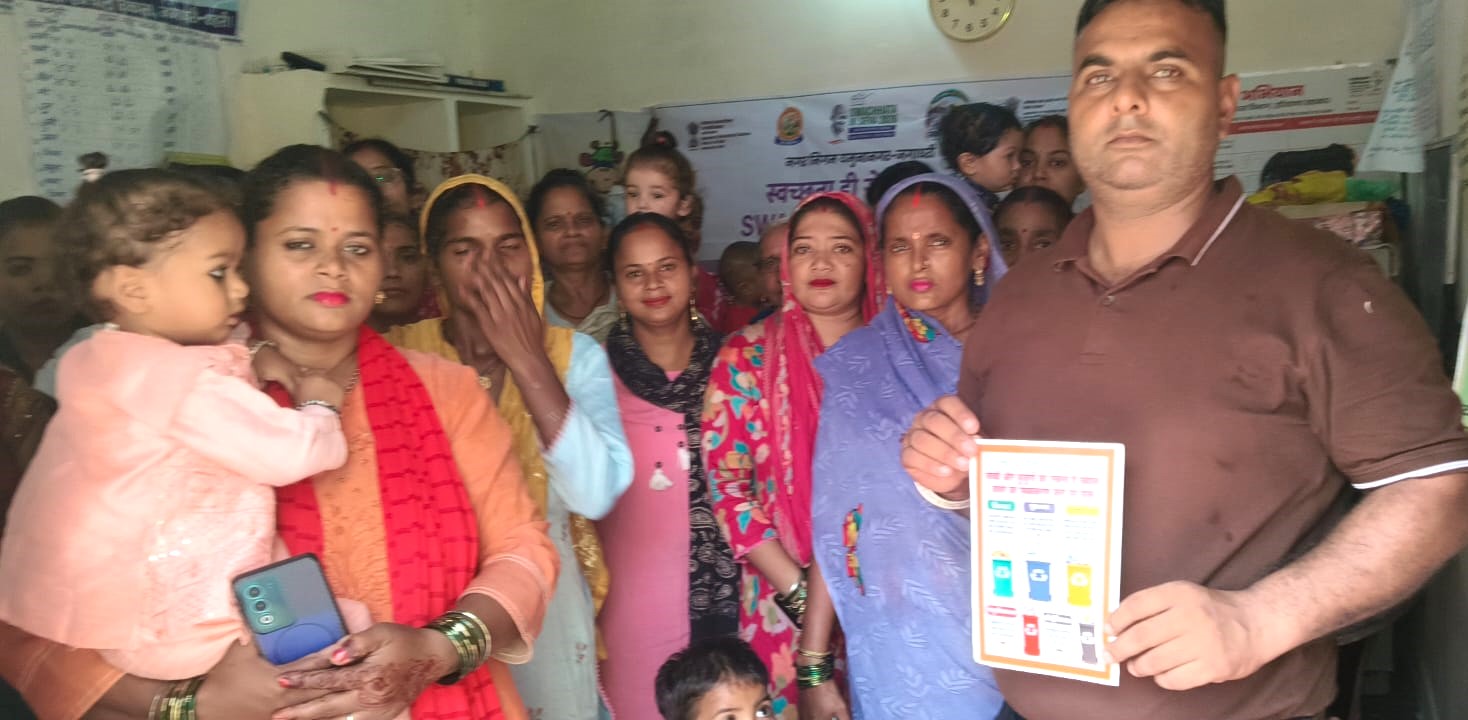
Women at Bank Colony Anganwadi Centre encouraged to turn kitchen waste into organic manure and adopt waste segregation at source
YAMUNANAGAR | PEN OF DEMOCRACY NEWS DESK
Awareness Drive Focuses on Waste Management at Home»
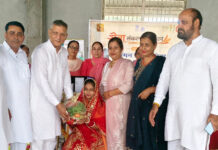
Under the Swachh Bharat Mission, the Yamunanagar Municipal Corporation conducted an awareness programme at the Anganwadi Centre in Bank Colony to educate women about home composting and four-bin waste segregation. The initiative was undertaken on the directions of Mayor Suman Bahmani and Municipal Corporation Commissioner Mahabir Prasad.
The campaign focused on encouraging residents, particularly women, to adopt proper waste management practices at the household level. The participants were informed that responsible waste management begins at the source and that separating different types of waste at home can make its collection, processing and disposal considerably more effective.
During the programme, women were given practical information about managing wet waste generated in their kitchens. They were encouraged to make use of biodegradable household waste instead of treating it as material that simply has to be discarded.
Kitchen Waste Can Be Converted into Useful Compost»
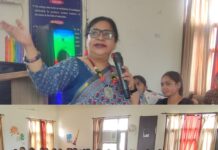
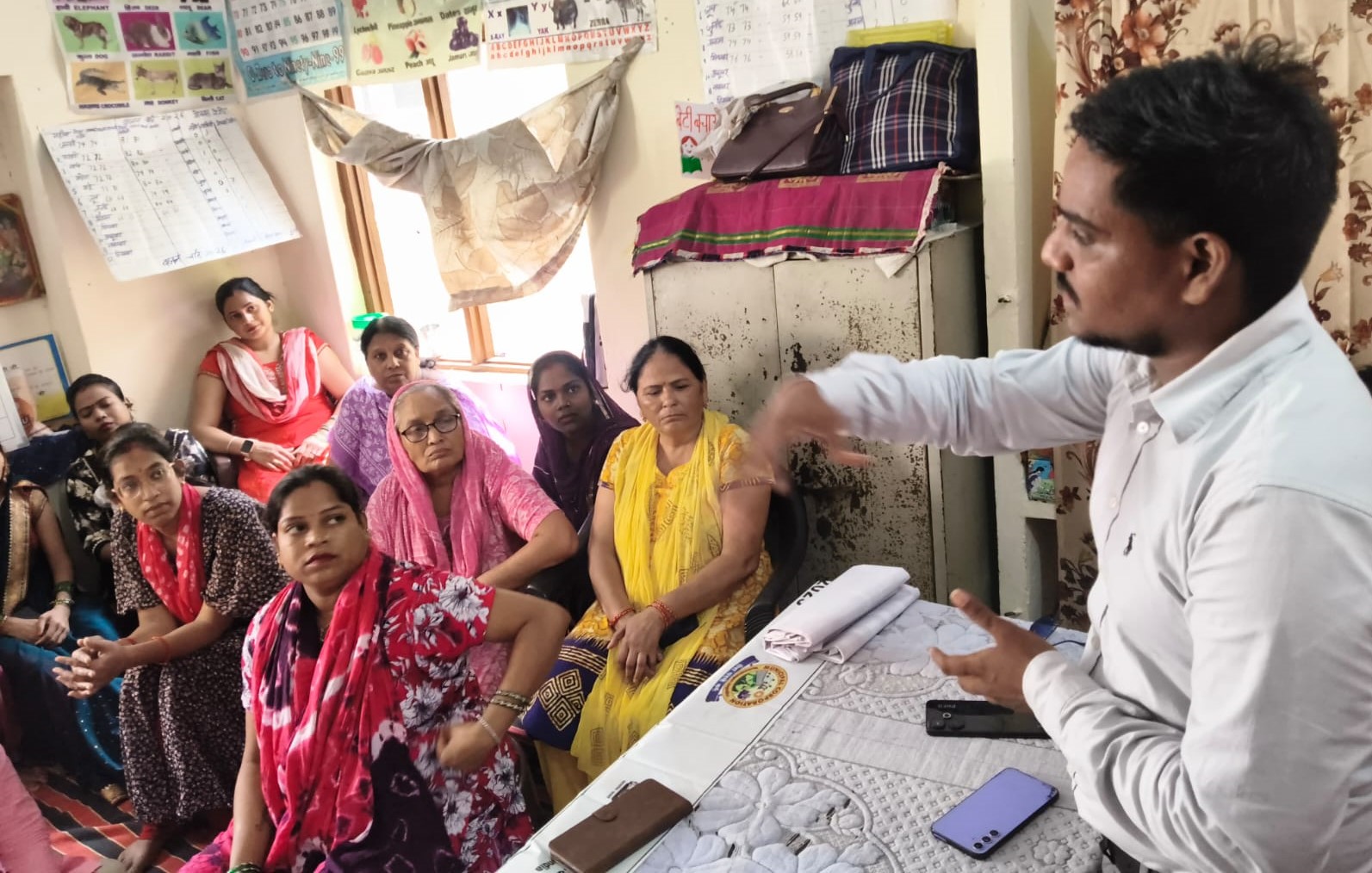 Swachh Bharat Mission expert Akash Kumar, Councillor Representative Ankit Kapil and Assistant Gagan Beniwal explained to the participants that wet waste generated in households can be used to prepare organic manure through simple home composting practices.
Women were told that vegetable and fruit peels, leftover food and other biodegradable household waste can be collected separately and processed appropriately to produce useful compost at home. This can help households reduce the amount of wet waste that has to be handed over for disposal.
The awareness team explained that home composting can turn everyday kitchen waste into a useful resource. Instead of allowing biodegradable material to become part of mixed waste, households can separate it at source and use suitable composting methods to produce organic manure.
According to the awareness team, reducing wet waste at the household level can also support cleaner surroundings and contribute to environmental protection. When biodegradable waste is kept separate from other waste streams, it becomes easier to process and recover useful material from it.
Four-Bin Segregation Explained to Women»
The participants were also briefed about the importance of four-bin segregation and were encouraged to develop the habit of keeping different categories of household waste separately from the point of generation.
The awareness team explained that households should keep wet waste, dry waste, sanitary waste, and special domestic hazardous waste including sharp and pointed items, glass and electronic waste in the prescribed separate containers or categories, as applicable under the local waste-management system.
Separating waste at the household level helps prevent different materials from becoming mixed together. This makes subsequent collection, sorting, processing and disposal easier and improves the possibility of recovering recyclable or reusable material from the waste stream.
Clean City Begins with Responsible Household Practices»
Municipal Corporation Commissioner Mahabir Prasad said the foundation of a clean city is laid at every household. He appealed to citizens to make proper waste management and cleanliness part of their everyday routine.
He said citizens can make an important contribution towards creating a cleaner and healthier city by ensuring that waste is handled responsibly at source. Developing the habit of separating waste and managing biodegradable material properly can reduce the burden on the overall waste-management system.
The Commissioner stressed that cleanliness cannot be achieved through municipal efforts alone. Active cooperation from households is equally important because a substantial part of waste management begins with the way residents handle waste inside their homes.
Women Can Play a Key Role in Creating Cleaner Communities»
The awareness programme placed particular emphasis on women because household waste-management practices can become more effective when families collectively adopt simple and consistent habits. Participants were encouraged to share the information with other family members and motivate them to follow waste segregation and home composting practices.
The message delivered during the programme was that sustainable waste management does not necessarily begin with large infrastructure or complicated measures. It can begin with simple decisions at home, such as keeping biodegradable waste separate, avoiding unnecessary mixing of waste and following the prescribed segregation system.
Through such awareness activities, the Municipal Corporation aims to encourage residents to take greater responsibility for the waste generated in their households and contribute to the broader goal of keeping Yamunanagar clean, healthy and environmentally responsible.
NEWS NOTE»
The awareness programme was organised under the Swachh Bharat Mission to promote home composting and source-level waste segregation among residents. The Municipal Corporation urged citizens to make responsible waste management a daily household practice.
PEN OF DEMOCRACY | A VOICE FOR THE PEOPLE