National Award-Winning Surgeon Dr Anil Agrawal Highlights Bhagat Singh’s Enduring Legacy Among Youth
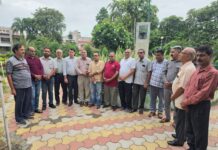
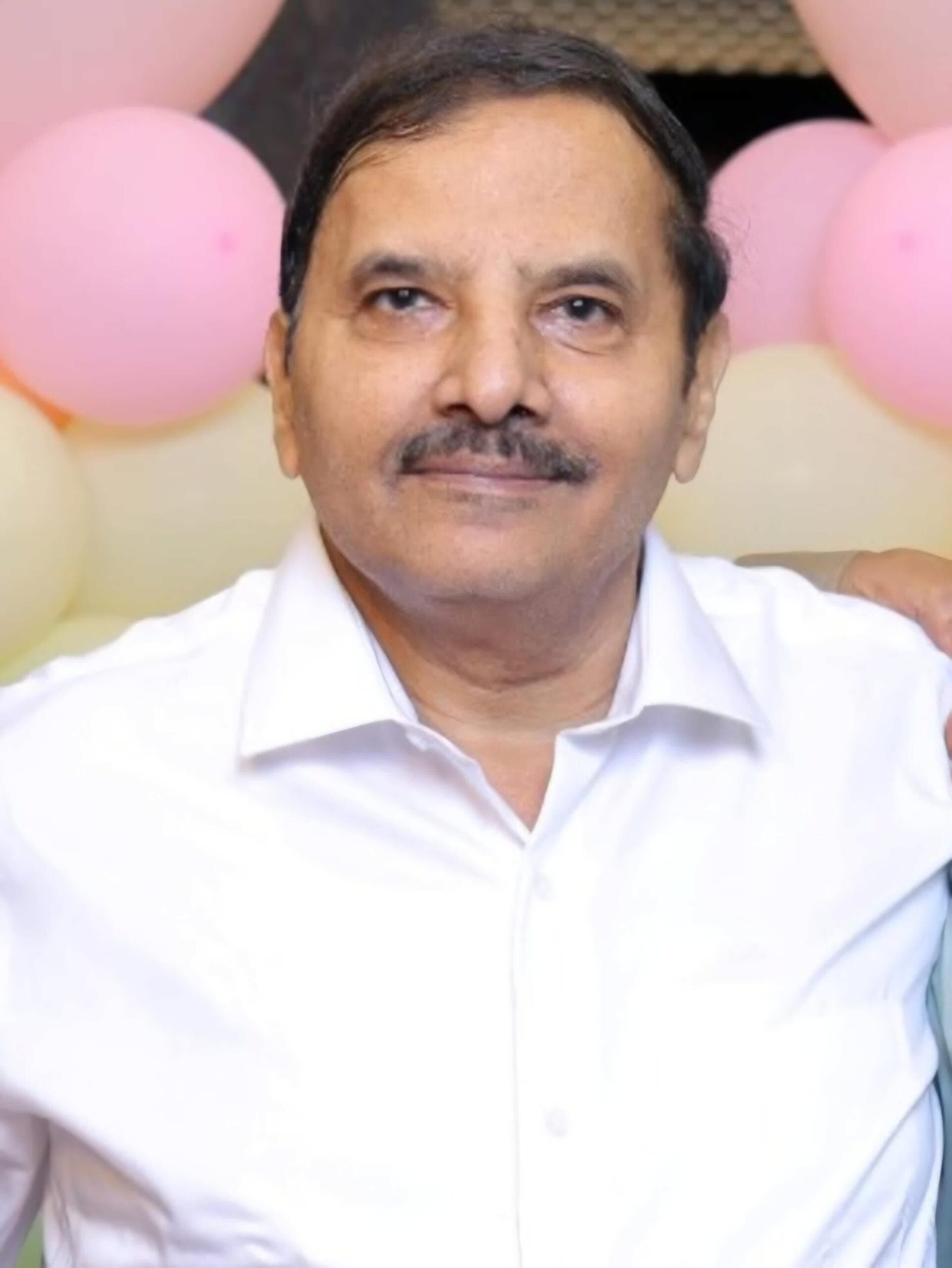
National Award-winning surgeon Dr Anil Agrawal, speaking at a programme organised to mark the 119th birth anniversary of Shaheed-e-Azam Bhagat Singh in Yamunanagar, said the revolutionary’s birth anniversary is now being observed across the country with greater enthusiasm and participation, particularly among the younger generation.
Dr Agrawal said that for many years, Bhagat Singh was remembered primarily on March 23, the day he was martyred along with Rajguru and Sukhdev. He noted that comparatively fewer people were aware that Bhagat Singh was born on September 28, 1907. The growing public recognition of his birth anniversary, he said, reflects the continuing relevance of the revolutionary’s life and ideas.
According to Dr Agrawal, Bhagat Singh cannot be viewed merely as a young revolutionary who challenged British rule. He was also a thinker, writer and visionary whose writings reflected a deep engagement with questions of freedom, social justice, equality and the future of India.
He said Bhagat Singh displayed extraordinary clarity of thought at a very young age and remained committed to his ideals even in the face of the most severe consequences. His life, Dr Agrawal said, demonstrated that physical repression cannot extinguish an idea when that idea continues to influence generations.
Referring to Bhagat Singh’s writings, Dr Agrawal particularly highlighted his essay “Why I Am an Atheist”, written while he was imprisoned in Lahore. He said the essay continues to encourage young people to think independently, question established assumptions and develop the courage to examine social and political issues through reason.
A Legacy That Extends Beyond Martyrdom
Dr Agrawal said the importance of Bhagat Singh’s legacy lies not only in his sacrifice but also in the intellectual questions he raised during his short life. His writings, he observed, provide an insight into a young mind deeply concerned about the conditions of society and the kind of nation that should emerge after independence.
He further said that Bhagat Singh had envisioned an India free from poverty, caste discrimination and communal divisions. His vision, according to Dr Agrawal, went beyond political freedom and encompassed a society based on equality, human dignity and social harmony.
The surgeon said that this aspect of Bhagat Singh’s legacy remains particularly significant for young people today. Remembering him, he added, should therefore not be limited to commemorative programmes or ceremonial tributes. His writings and ideas should also be studied and discussed so that younger generations can understand the broader social and intellectual dimensions of his struggle.
Dr Agrawal observed that the increasing participation of young people in Bhagat Singh’s birth anniversary programmes is a positive development. He said that when a new generation begins to engage with the ideas and writings of historical figures rather than merely remembering their names, their legacy acquires a contemporary meaning.
He also emphasised that Bhagat Singh’s contribution should be understood in the context of the circumstances in which he lived. The freedom struggle demanded courage and sacrifice, but it also produced a generation of young thinkers who debated the political, economic and social structure of the India they hoped to build.
For Dr Agrawal, Bhagat Singh’s enduring appeal is rooted in precisely this combination of courage and thought. His martyrdom made him an enduring symbol of resistance, while his writings ensured that his intellectual legacy survived far beyond his lifetime.
He said the message that ideas cannot be killed remains one of the most powerful aspects of Bhagat Singh’s legacy. His life ended at the age of 23, but the questions he raised about freedom, justice, inequality and society continue to be discussed decades later.
As the country marks Bhagat Singh’s 119th birth anniversary, Dr Agrawal’s remarks underline the importance of looking beyond the familiar image of the revolutionary and engaging with the wider body of ideas associated with him.
The programme in Yamunanagar thus served not only as an occasion to pay tribute to a celebrated figure of India’s freedom struggle but also as a reminder of the continuing relevance of his intellectual legacy. For the younger generation, Dr Agrawal said, Bhagat Singh’s life can remain a source of inspiration to think, question and stand against injustice.