Suman Saini says India’s ancient wellness traditions are gaining global recognition; 317 beneficiaries receive free Ayush healthcare services at village camp
KURUKSHETRA | PEN OF DEMOCRACY NEWS DESK
India’s ancient traditions of Ayush and yoga are gaining increasing recognition across the world, and the country is playing an important role in taking its traditional knowledge of health and wellness to the global community, Haryana State Council for Child Welfare Vice-Chairperson Suman Saini said on Saturday.
Addressing an Ayush Gram programme organised under the National Ayush Mission at Kalal Majra village, Saini said Prime Minister Narendra Modi had played an important role in taking India’s ancient yoga and Ayush traditions to people across the world. She said Chief Minister Nayab Singh Saini was working to extend this approach rapidly to households across Haryana.
She said several countries were showing growing interest in yoga and Indian systems of medicine, describing the global recognition of India’s traditional health knowledge as a matter of pride. The knowledge developed in India thousands of years ago, she said, was now helping the modern world understand the importance of healthy living and preventive healthcare.
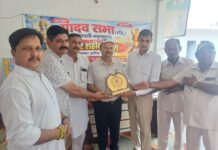
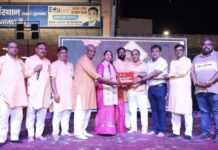
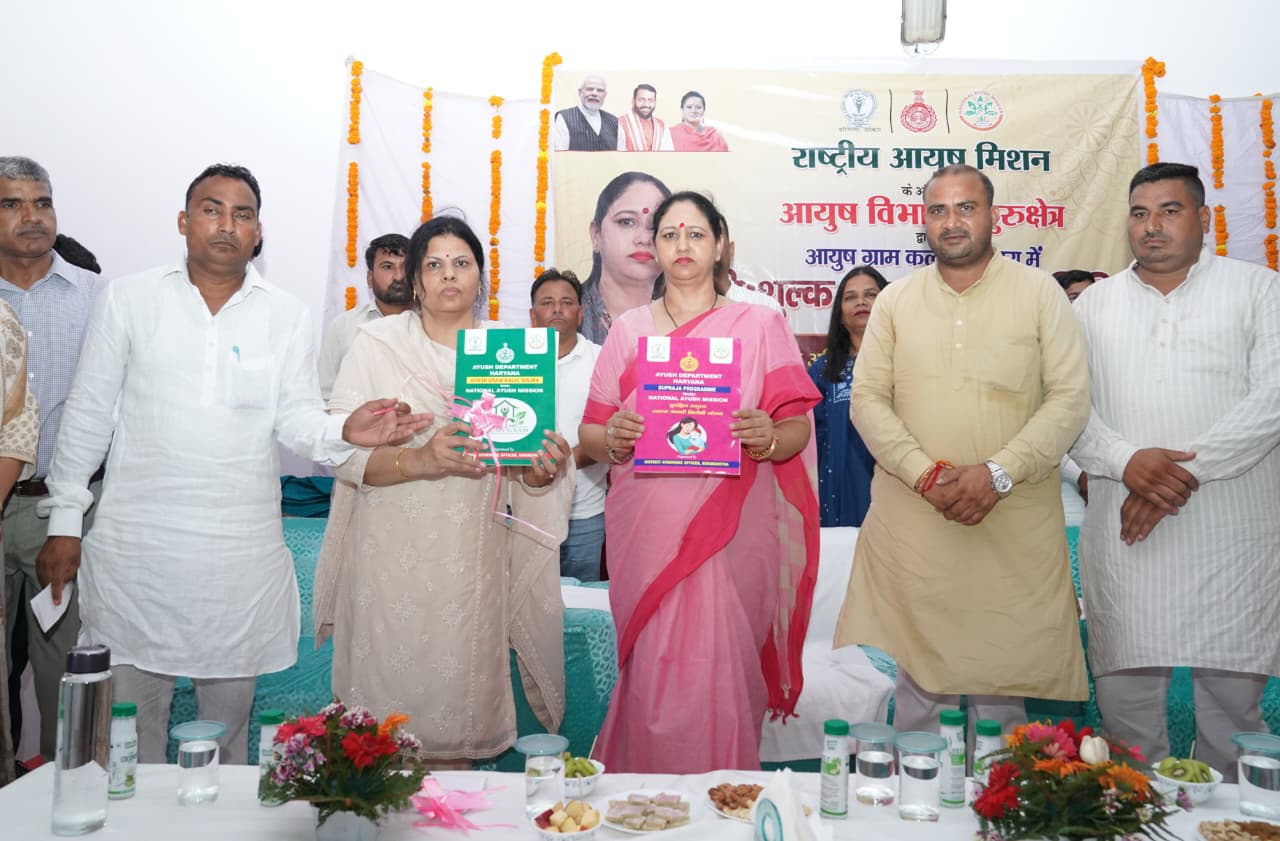
During the programme, Suman Saini released a booklet published by the Ayush Department. She also honoured students Kunjan, Jaspreet and Ayush with prizes for their participation in a poster-making competition.
Saini subsequently participated in a plantation drive at the premises of Gurdwara Kalal Majra Sahib. Students of Government School Kalal Majra also presented a yoga demonstration during the programme.
Speaking about the significance of organising the Ayush camp at the religious premises, Saini said the teachings of the Sikh Gurus conveyed messages of service, humanity and compassion. Holding a health service initiative at Gurdwara Kalal Majra Sahib, she said, strengthened that spirit by bringing healthcare and wellness services closer to the community.
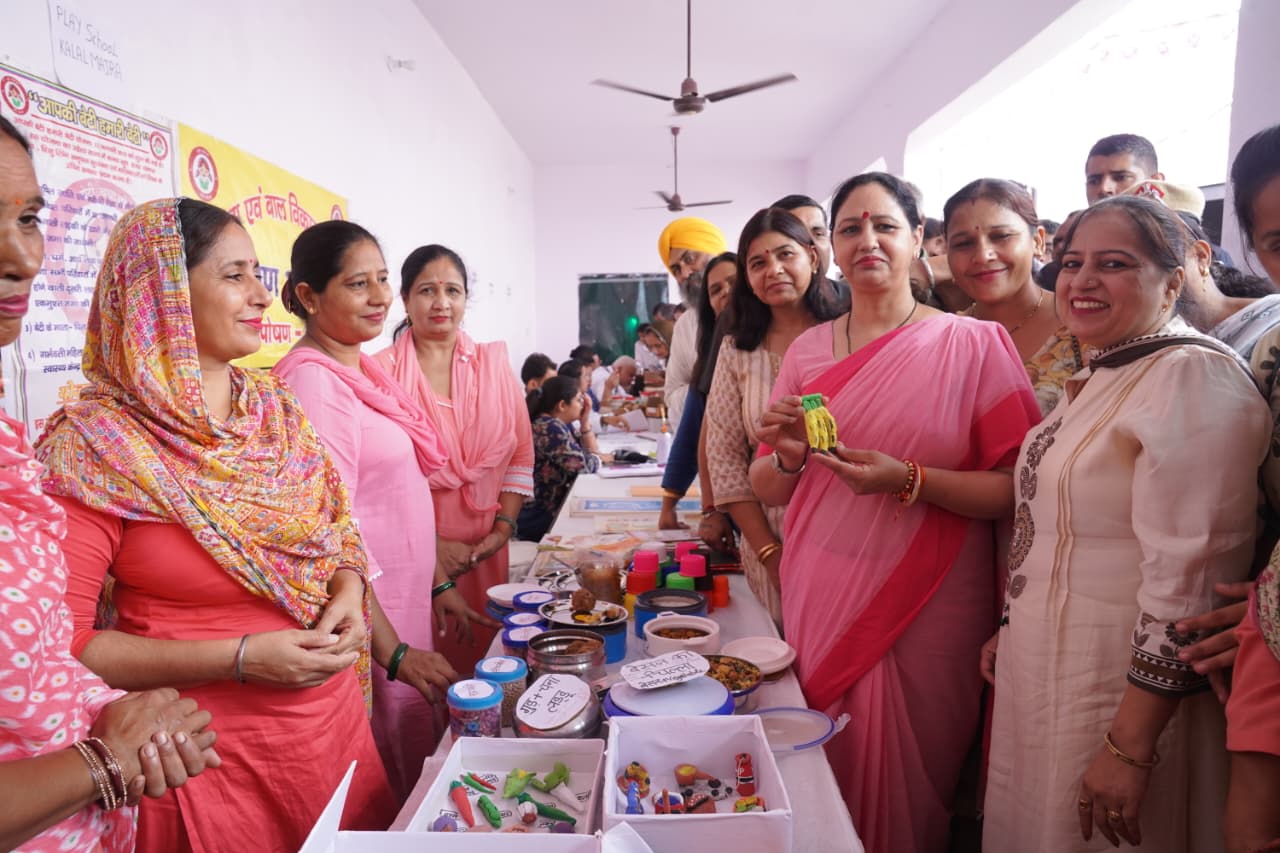 She said the programme provided people with an opportunity not only to seek healthcare but also to understand the importance of adopting a healthier lifestyle. Children, young people, women and senior citizens should all be encouraged to focus on physical health, mental well-being and positive values, she added.
Saini said yoga was an important foundation of a healthy lifestyle and urged people to adopt the message of “Practise yoga, stay healthy” as part of their daily lives.
She said India’s knowledge tradition had understood the relationship between human health and nature thousands of years ago. The information shared during the programme about medicinal plants demonstrated the importance of preserving this traditional knowledge and connecting it with modern health awareness.
According to Saini, nature has traditionally been regarded as a foundation of life in Indian thought, while Ayurveda developed from an understanding of the close relationship between nature and human health. Many plants found in and around communities possess medicinal properties, she said, making their conservation and appropriate use important.
She stressed that Ayush should not be viewed only as a system for treating illness. It should also be connected with environmental conservation, nature and healthy living practices, she said.
Saini encouraged residents to dedicate some time every day to their physical and mental well-being. Regular yoga, she said, can help maintain physical fitness, promote mental balance and encourage discipline in everyday life.
She appealed to people not to restrict yoga to special occasions or awareness programmes but to make it part of their regular routine.
Saini described the initiative to develop Kalal Majra as an Ayush Gram as an important step towards promoting this broader approach to health and wellness. She said the designation was a matter of pride for the village but also carried a responsibility for residents and local institutions.
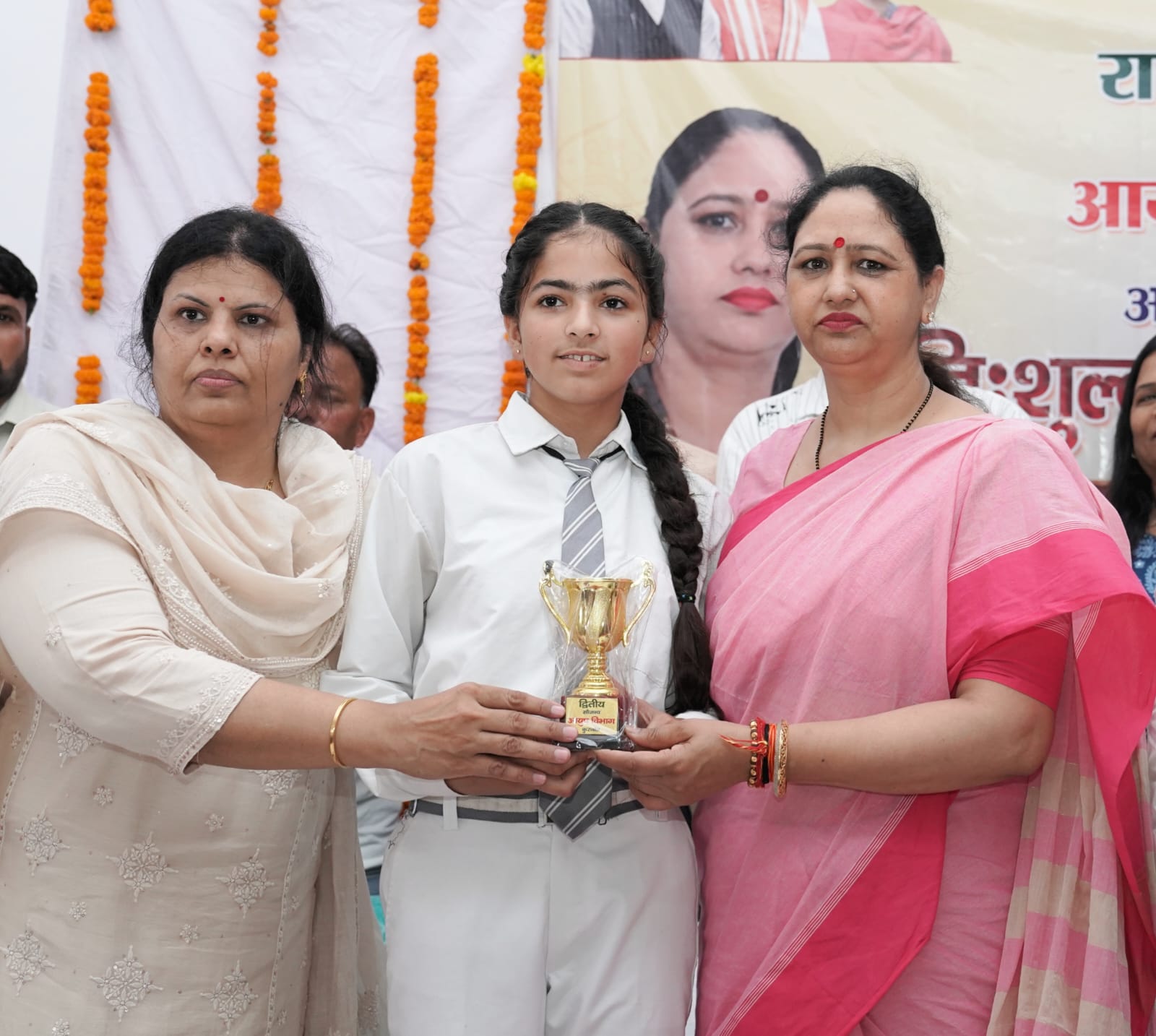 The objective of an Ayush Gram, she said, should not be limited to providing healthcare services. It should also involve creating awareness among every household about yoga, Ayurveda, natural healthcare practices and preventive approaches to illness.
She said people should focus not only on treatment after a disease occurs but also on preventing health problems through better lifestyle choices.
Saini pointed out that lifestyles were changing rapidly, with physical activity declining, consumption of outside food increasing and people spending more time on mobile phones and screens. Stress had also become an increasingly common part of modern life, she said.
In such circumstances, she emphasised the importance of maintaining a balanced daily routine. Nutritious food, adequate sleep, regular exercise, yoga and positive thinking, she said, were essential foundations for a healthy life.
She said the Haryana government was continuously working to make the state healthier and promote yoga among residents. Exercise centres have been established in villages to encourage people to undertake regular physical activity and yoga, she said.
Saini said the selection of Kalal Majra as an Ayush Gram offered an opportunity to take these efforts further at the grassroots level. A healthy household, she said, contributes to a healthy society, while a healthy society ultimately contributes to a healthy nation.
District Ayurvedic Officer Dr Manju Sharma, speaking at the conclusion of the camp, said medicinal plants were an invaluable asset for both public health and the environment. She stressed that community participation was essential for their conservation and expansion.
Dr Sharma presented mementoes to the chief guest and other guests and expressed gratitude to everyone involved in organising the programme.
Dr Renuka provided villagers with information about the health benefits of medicinal plants, the importance of plantation and the potential benefits of cultivating medicinal plants. She also encouraged residents to contribute to environmental conservation.
The Ayush camp provided free healthcare services to 317 beneficiaries through specialist doctors. The services included 206 Ayurvedic outpatient consultations, 103 homoeopathic outpatient consultations and eight beneficiaries receiving Agnikarma therapy.
In addition, blood sugar tests were conducted for 50 people, while 72 people underwent Prakriti assessment. Yoga sessions tailored to individual health conditions were provided to 49 beneficiaries.
The Ayush Department also distributed 200 medicinal plants free of cost among villagers, giving residents an opportunity to grow and conserve useful plant species while increasing awareness about their potential health and environmental benefits.
The camp brought together Ayush officials, employees, yoga assistants, healthcare professionals and a large number of villagers. The organisers said such community-based programmes can help people understand preventive healthcare and encourage them to adopt healthier habits.
The participation of schoolchildren in the yoga demonstration and poster-making competition also added an educational dimension to the programme. The activities encouraged young participants to understand the importance of physical fitness, traditional health practices and environmental responsibility.
The plantation drive at Gurdwara Kalal Majra Sahib further connected the health initiative with environmental conservation, reinforcing the message that human well-being is closely linked to a healthy natural environment.
Saini said the broader objective should be to develop a culture in which families consciously adopt healthy food habits, physical activity, yoga, adequate rest and positive thinking as part of everyday life.
The programme was attended by SDM Rajesh Kumar Soni, District Ayurvedic Officer Dr Manju Sharma, Mandal president Vikas Sharma, CDPO Neetu, CDPO Babain Nirmala, village Sarpanch Sohan Lal, Dr Monica, Dr Pragati, Dr Sandeep, Dr Rajiv, Dr Ashmi, Dr Shubham, Sarita, Reena, Subhash, Bhim Singh, Rai Singh, Kamal Kishore, Sonam and other dignitaries.
With free consultations, diagnostic services, yoga sessions and distribution of medicinal plants, the Kalal Majra programme sought to take Ayush-based health awareness directly to the rural community. The administration and organisers emphasised that sustained public participation would be crucial for turning the Ayush Gram initiative into a long-term movement for healthier households, environmental awareness and preventive healthcare.
POD/DESK