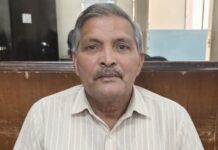
K.S. Sandhawa reviews basic facilities, cleanliness, drinking water, toilets and teacher attendance at schools in the Adibadri-Kathgarh region
YAMUNANAGAR | PEN OF DEMOCRACY NEWS DESK
As part of a special inspection drive, K.S. Sandhawa, District Project Officer of Samagra Shiksha, conducted surprise inspections of schools located in the Shivalik region and adjoining foothill areas to assess the availability of basic facilities and the overall functioning of school campuses.
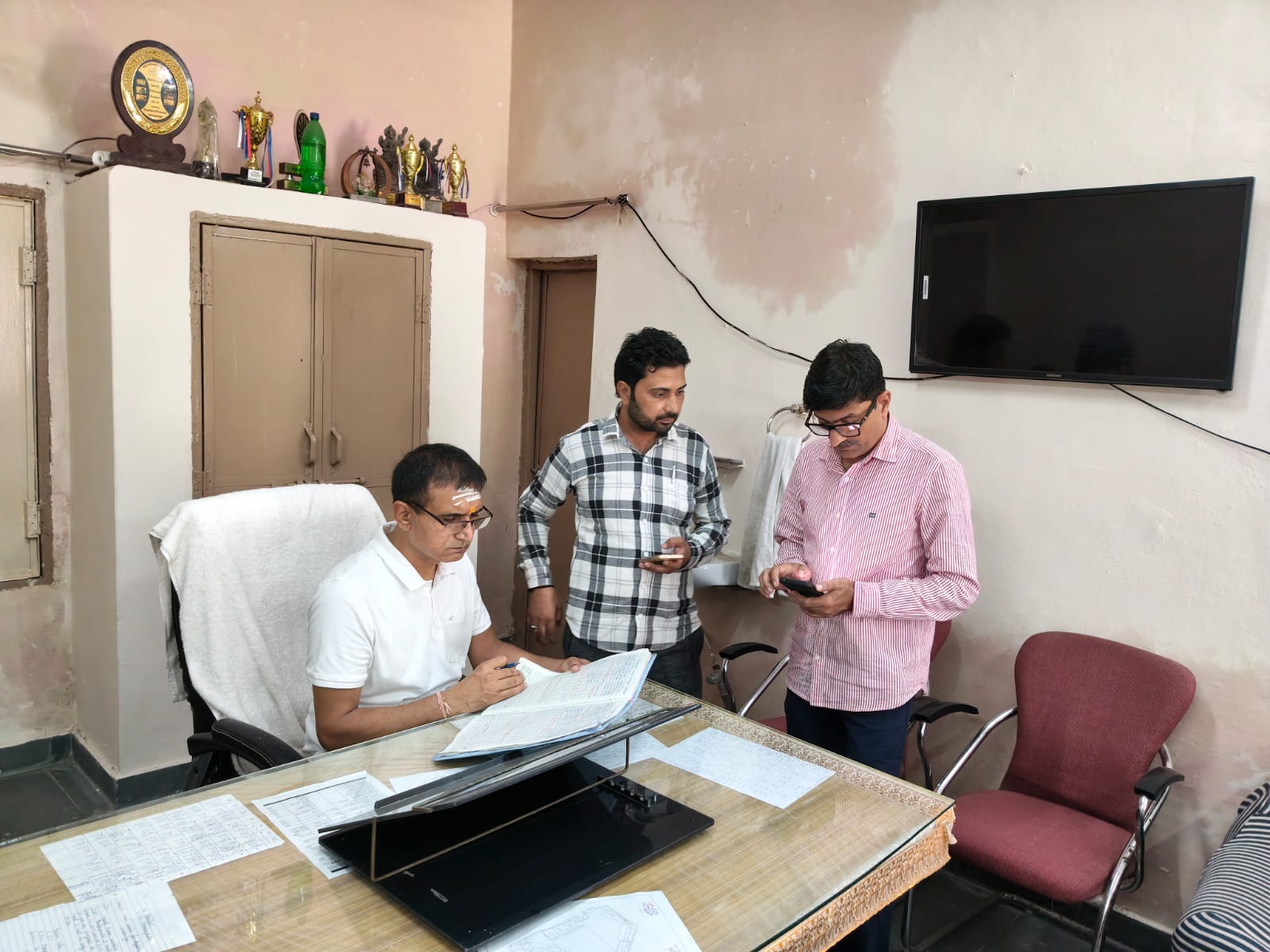
During the inspection, Sandhawa visited Government Senior Secondary School, Kathgarh, Government Senior Secondary School, Adibadri, and Government Primary School, Shahpura, besides inspecting other schools in the area. He reviewed the condition of basic infrastructure, cleanliness, student facilities and administrative arrangements and interacted with school authorities regarding the functioning of the institutions.
Particular attention was paid to the availability and condition of drinking water, toilet facilities, cleanliness of school premises, physical attendance of teachers and the overall environment provided to students. The inspection was aimed at ensuring that schools maintain essential facilities properly and provide students with a clean, safe and disciplined environment conducive to learning.
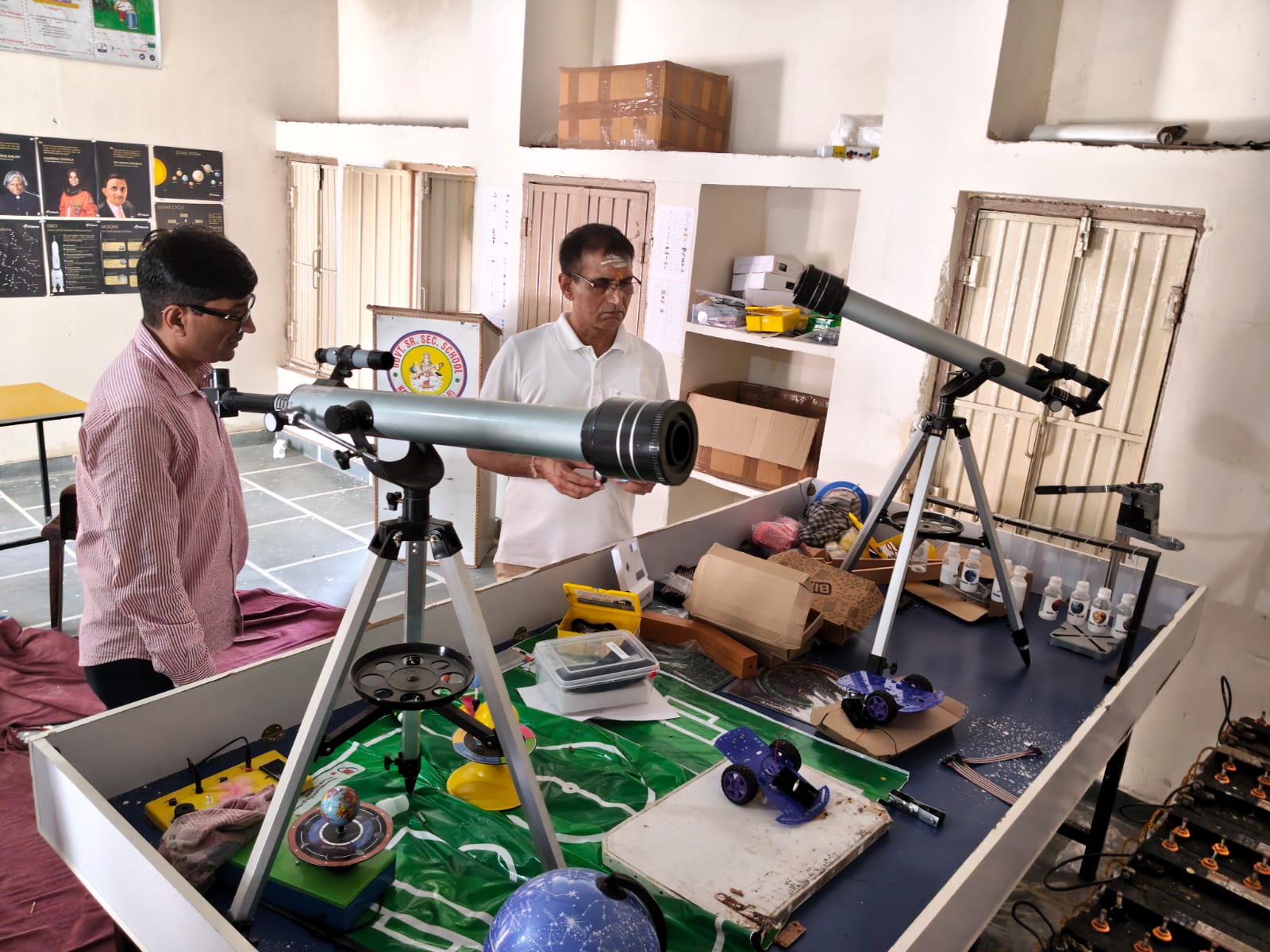
The District Project Officer also inspected Atal Tinkering Labs in the schools. During the inspection, some disorder was found in an Atal Tinkering Lab, following which the concerned school head was directed on the spot to take necessary corrective measures and ensure that the facility is properly organised and maintained.
Sandhawa stressed that access to clean and safe drinking water must remain a priority in every school. He said school authorities have a basic responsibility to ensure that students are provided with hygienic drinking water throughout the school day.
He also directed school heads to pay particular attention to sanitation and toilet facilities. Toilets should remain clean, functional and properly maintained, while the overall school premises should be kept hygienic and free from conditions that could affect the health or safety of students.
The inspection also covered the physical presence of teachers. The District Project Officer reviewed whether teachers were physically present in the schools and emphasised the importance of regular attendance and availability of teaching staff for the effective functioning of educational institutions.
Sandhawa said schools are not merely centres for imparting academic education but are also an important foundation for the overall development of students. A healthy and secure school environment, he said, plays a significant role in helping children learn effectively and develop confidence, discipline and a sense of responsibility.
He stressed that cleanliness, safe drinking water, adequate sanitation and a well-maintained campus are essential components of a quality educational environment. These facilities, he said, should not be viewed as secondary requirements but as fundamental necessities for students.
The surprise inspection was part of a special campaign being conducted by the department across schools in the district. Under the campaign, officials are undertaking detailed inspections of school premises with particular emphasis on cleanliness, drinking water facilities, toilets, campus maintenance and the physical attendance of teachers.
The objective of the inspection drive is to identify deficiencies at the school level and ensure that corrective measures are taken without unnecessary delay. Rather than waiting for complaints or periodic reviews, surprise inspections allow officials to assess the actual conditions prevailing in schools and provide directions wherever improvements are required.
Sandhawa said that whenever shortcomings, negligence or disorder are found during an inspection, the concerned school head is being directed to undertake the required corrective measures. He emphasised that school authorities should take ownership of maintaining the facilities available to students and ensure that problems do not persist.
The inspection also highlighted the need for schools to make effective use of facilities created for students. Atal Tinkering Labs, for instance, are intended to provide students with opportunities to explore creativity, innovation and practical learning. Maintaining such facilities in an organised condition is therefore important for ensuring that students can make meaningful use of them.
The District Project Officer’s directions also covered the broader upkeep of school campuses. Clean surroundings, functional toilets, adequate drinking water and orderly classrooms and common areas contribute to creating an environment in which students can focus on learning without facing avoidable difficulties.
The official said the department is taking the inspection programme seriously and will continue to monitor schools across the district. The purpose is not merely to identify shortcomings but also to ensure that necessary improvements are implemented and students receive the facilities they are entitled to.
The Shivalik foothill region presents its own logistical and geographical challenges, making regular monitoring of educational institutions particularly important. Surprise inspections in schools located in such areas enable officials to assess whether basic facilities are being maintained effectively and whether administrative and academic responsibilities are being carried out properly.
Sandhawa urged school heads and staff to remain attentive to students’ basic needs and maintain the campus in a manner that reflects the importance of education. He said every student deserves access to a safe, clean and supportive learning environment irrespective of the location of the school.
The inspection also reinforced the importance of institutional discipline. Regular teacher attendance, functional infrastructure and proper maintenance of school facilities are essential for ensuring that government schools provide reliable educational services to children.
 The District Project Officer made it clear that the special inspection campaign will continue across the district. Schools will continue to be checked on parameters including sanitation, drinking water, toilet facilities, cleanliness of the campus and physical attendance of teachers.
He said the department is committed to providing students with a better, cleaner and safer educational environment and will continue working with school authorities to address deficiencies identified during inspections.
The surprise inspection of schools in the Kathgarh, Adibadri and Shahpura areas therefore formed part of a broader effort to strengthen the quality of school infrastructure and campus management. By combining regular monitoring with immediate corrective directions, the department aims to ensure that basic facilities remain functional and that students are able to study in an environment that supports their health, safety and overall development.
Sandhawa reiterated that educational institutions carry a responsibility that extends beyond classroom teaching. The condition of the campus, availability of essential facilities and presence of teachers all contribute to the overall educational experience of children.
The department’s continued inspection campaign is expected to keep the focus on these basic parameters and encourage school authorities to address deficiencies proactively. The emphasis remains on ensuring that government schools provide students with a disciplined, hygienic and secure environment in which they can pursue their education without avoidable obstacles.
POD/DESK