More than 550 students and 35 teachers participate as Haryana State Narcotics Control Bureau calls for collective action against drug abuse
YAMUNANAGAR | PEN OF DEMOCRACY NEWS DESK
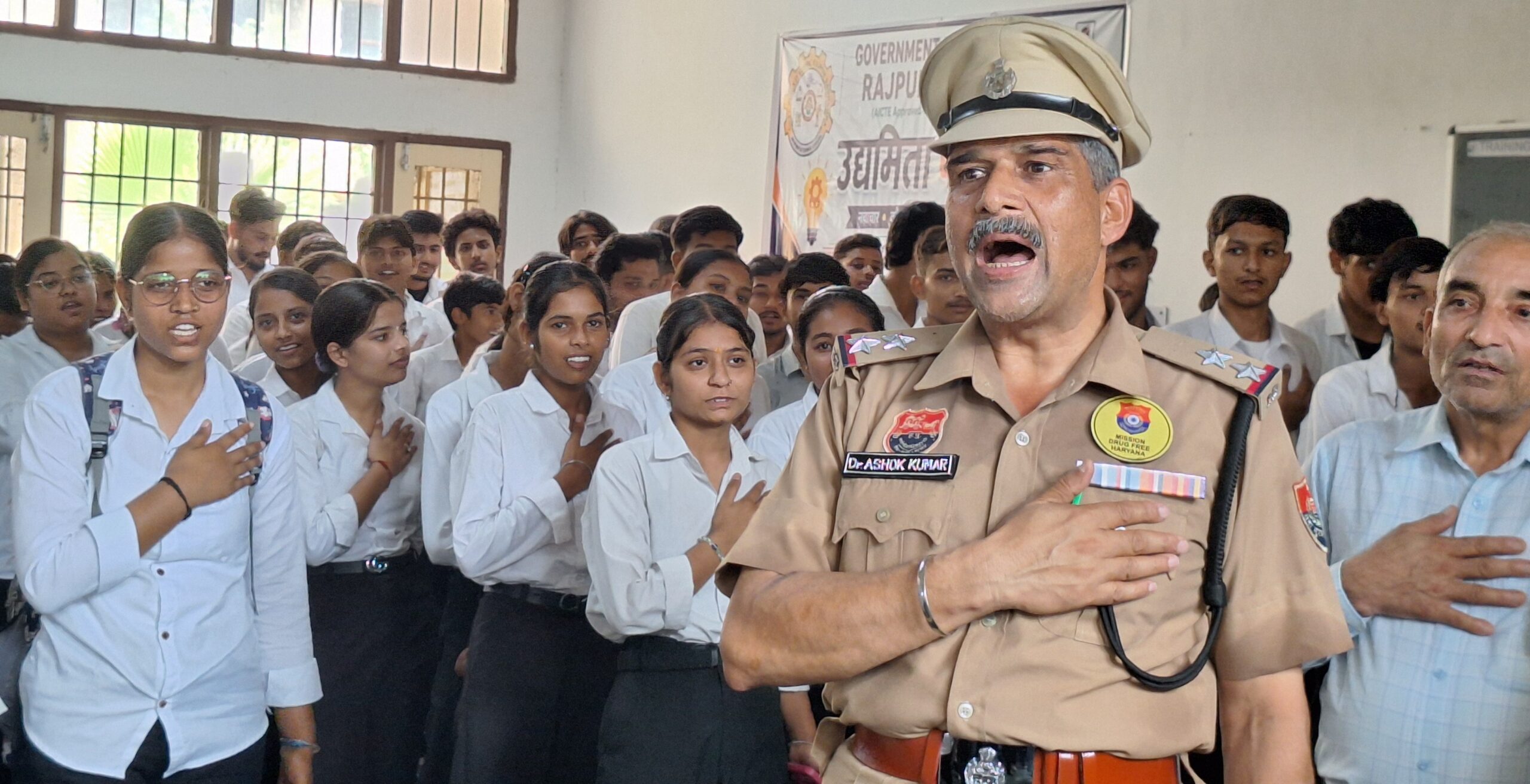
The Haryana State Narcotics Control Bureau organised its 112th comprehensive anti-drug awareness programme at Government Polytechnic Rajpur, bringing together more than 550 students and 35 teachers to raise awareness about the dangers of substance abuse and the need for collective action to build a healthy and secure society.
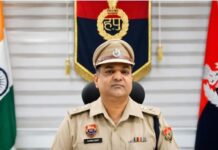
The programme was organised under the guidance of Additional Director General of Police, Haryana State Narcotics Control Bureau, Sanjay Kumar, IPS, and under the leadership of Faridabad Joint Commissioner and Bureau Deputy Inspector General Rajendra Kumar Meena, IPS. The awareness session was conducted by Sub-Inspector Dr Ashok Kumar Verma, In-charge of the Bureau’s Awareness Programme and Rehabilitation initiative.
The programme was attended by the institute’s Deputy Principal Raj Kumar Chauhan, along with Dev Suman Verma, Sandeep Tanwar, Bhim Singh and other members of the teaching and institutional staff. The large participation of students and teachers reflected the importance of taking anti-drug awareness programmes directly to educational institutions, where young people can play a crucial role in preventing substance abuse and encouraging healthier choices.
Addressing the students, Dr Ashok Kumar Verma said society must collectively wage a determined battle against drugs to create healthy, safe and secure families and communities. He called upon students to become active participants in the wider campaign against substance abuse and contribute towards creating a drug-free environment.
Dr Verma emphasised that the fight against drugs was not the responsibility of the government or law enforcement agencies alone. Families, educational institutions, communities and young people all have an important role to play in preventing drug abuse and discouraging the illegal trade in prohibited substances.
He urged students to remain connected with values, good conduct and a responsible way of life. He said India’s strength lies in the collective contribution of its citizens and that young people, in particular, have a significant responsibility in helping the country progress.
While discussing the harmful impact of prohibited drugs, Dr Verma said that a substantial proportion of the illicit narcotics entering India comes from outside the country and claimed that such activities are intended to weaken society. He stressed the need for greater public vigilance against drug trafficking and urged students to remain alert to activities that could affect their families, friends and communities.
He said the Government of India and the Haryana government were working through a multi-level strategy to combat the drug menace and eliminate it. He called for continued public participation so that enforcement efforts could be supported by awareness, prevention and timely reporting of suspicious activities.
Dr Verma also used poetry and simple messages to communicate the consequences of drug abuse to the students. He stressed that drug trafficking was particularly damaging because it involved profiting from an activity that harms individuals, families and society. He urged young people to value honest work and choose a life based on dignity and self-reliance rather than becoming involved in substance abuse or the illegal drug trade.
The awareness session focused on the need for students to understand that the consequences of drug abuse can extend well beyond the individual. Addiction can affect physical and mental well-being, family relationships, education, employment prospects and the overall social environment. Dr Verma encouraged students to stay away from prohibited substances and to discourage their peers from experimenting with drugs.
He also highlighted the importance of maintaining strong family and social values. According to him, young people who remain connected with their families, education, positive social influences and constructive activities are better placed to resist pressures that may lead them towards substance abuse.
The Bureau representative further encouraged students and teachers to share information about illegal drug activity with the authorities. Participants were informed that confidential information relating to prohibited drugs and their illegal trade could be provided through 1933 or 9050891508. The appeal was aimed at strengthening community participation in the fight against drug trafficking while protecting the confidentiality of informants.
The programme also underlined the importance of educational institutions in the anti-drug campaign. Colleges and technical institutions provide an important platform for reaching young people and equipping them with accurate information about the risks associated with substance abuse. Teachers can also help identify behavioural changes and guide students towards appropriate support when necessary.
Dr Verma urged the students to become ambassadors of awareness within their families and communities. He said young people could make a meaningful contribution by sharing the message against drugs with friends and relatives and by encouraging others to adopt healthy and productive lifestyles.
The programme concluded with an anti-drug pledge administered to the participants. Students and teachers took a collective resolve to stay away from drugs and contribute to efforts aimed at preventing substance abuse in society.
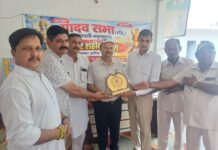
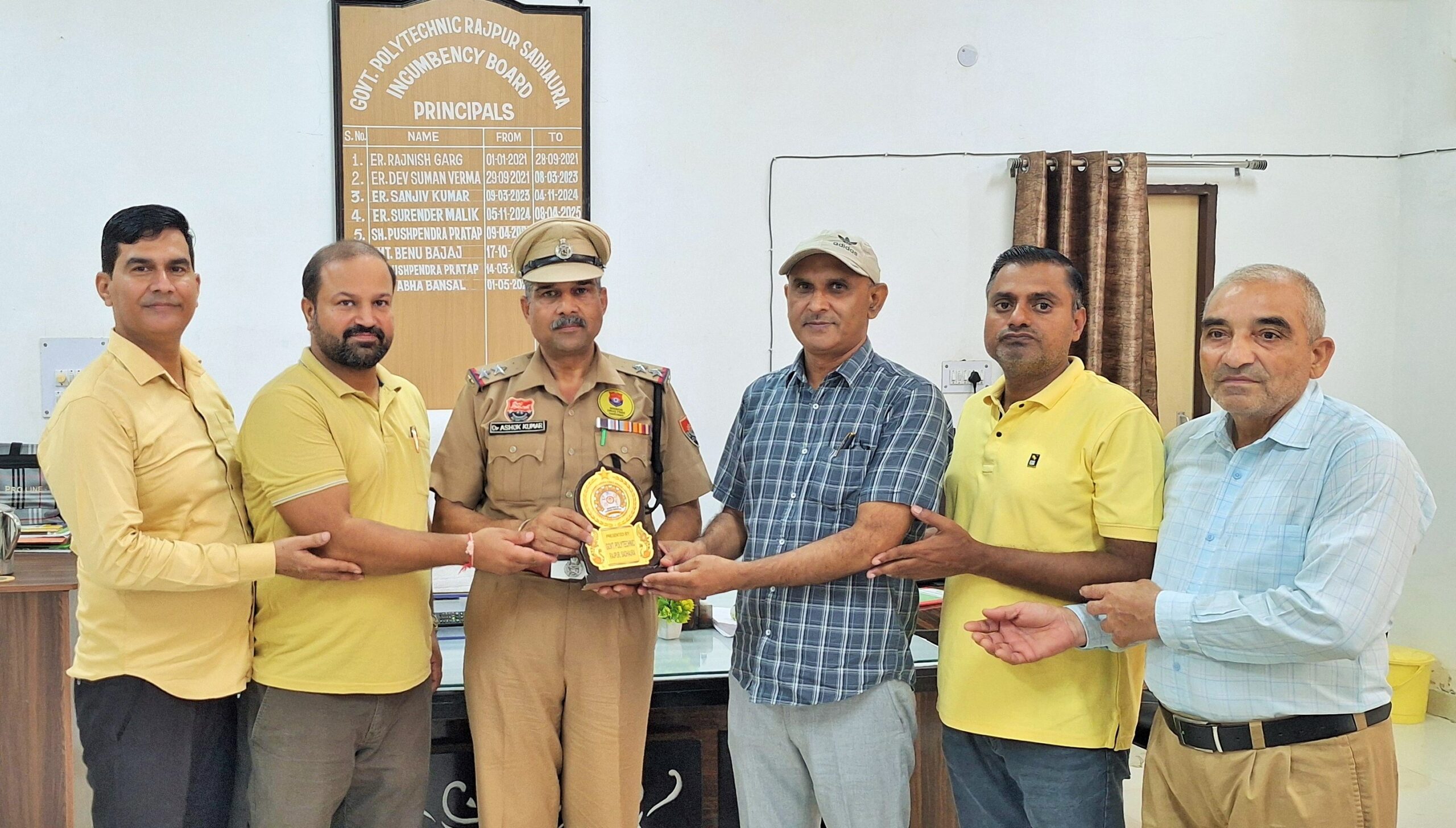
The teaching staff expressed gratitude to Dr Ashok Kumar Verma for conducting the awareness programme and interacting with the students. As a gesture of appreciation, the teachers honoured him with a memento.
The 112th programme formed part of the Haryana State Narcotics Control Bureau’s continuing efforts to expand anti-drug awareness among young people and educational institutions. Such programmes seek to complement enforcement measures with preventive education, public participation and greater awareness of the consequences of substance abuse.
 The Bureau’s message at Rajpur was that the fight against drugs requires sustained cooperation at every level. While law enforcement agencies continue to act against trafficking and illegal supply, communities and educational institutions can help prevent demand by educating young people and encouraging them to make informed and responsible choices.
With more than 550 students participating in the programme, the event provided a significant platform for communicating the anti-drug message to a large group of young people. The organisers emphasised that building a drug-free society requires not only strict action against illegal trafficking but also awareness, responsible citizenship and the willingness of young people to stand firmly against substance abuse.
The programme ended with a renewed appeal for collective participation in the campaign against drugs, with students, teachers and the authorities emphasising the need to protect the younger generation and work towards healthier families and a safer society.
POD/DESK