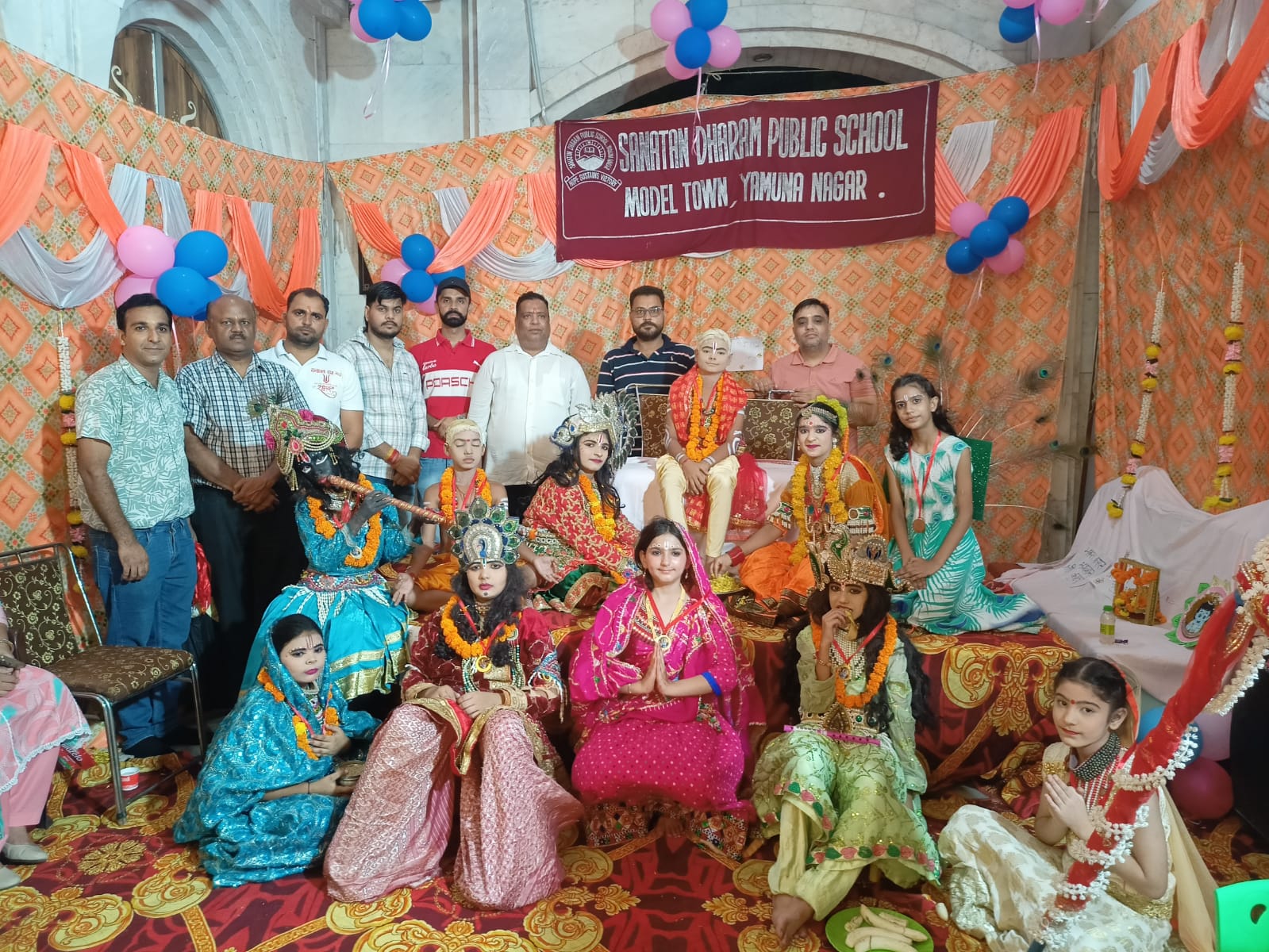
Special felicitation ceremony recognises organisations and artists who brought the stories of Lord Krishna and other deities alive through elaborate tableaux
PEN OF DEMOCRACY NEWS DESK
The Sanatan Raksha Manch organised a special felicitation ceremony on the auspicious occasion of Shri Krishna Janmashtami, honouring organisations and artists who prepared attractive religious tableaux depicting Lord Krishna and other Hindu deities during the festival.
The ceremony was organised to acknowledge the efforts of artists and institutions involved in presenting traditional religious tableaux and to encourage the continuation of cultural practices associated with Janmashtami. Representatives of the Sanatan Raksha Manch presented mementoes and certificates of appreciation to the artists who participated in preparing and presenting the tableaux.
The organisers said such tableaux play an important role in giving a visual and artistic form to religious stories and traditions. For many families, particularly children and young people, these presentations provide an opportunity to learn about India’s cultural and religious heritage in an engaging manner.
Members of the organisation appreciated the dedication and creativity of the artists who prepared the tableaux. Their efforts involved not only portraying religious figures through costumes but also presenting scenes associated with the life and teachings of Lord Krishna and other revered deities.
Speaking on the occasion, Sanatan Raksha Manch president Gagan Prakash said the traditional practice of preparing tableaux and dressing children and artists as Lord Krishna and other deities during Janmashtami had gradually been declining in recent times.
He said the organisation decided to honour the artists and institutions involved in these activities with the objective of encouraging the tradition and motivating more people to participate in such cultural programmes in the future.
Prakash said preserving cultural traditions was particularly important at a time when younger generations were increasingly exposed to diverse influences. He stressed that festivals provide an opportunity for children and young people to understand their cultural roots and develop a deeper connection with the traditions passed down through generations.
According to him, religious tableaux are not merely decorative presentations associated with a festival. They can also serve as a means of cultural education by introducing children to stories, characters and values associated with India’s religious heritage.
He said that when children participate in such presentations by wearing traditional costumes or performing roles connected with religious stories, they develop a closer familiarity with their cultural traditions. Such participation can also create lasting memories and encourage families to remain connected with traditional celebrations.
The felicitation ceremony was therefore aimed at providing recognition to those who contribute their time, creativity and effort to keeping these traditions visible during major religious festivals. The presentation of certificates and mementoes was described as a gesture of appreciation for their contribution.
The organisers also highlighted the importance of encouraging artists who work to preserve traditional forms of cultural expression. Religious tableaux often require coordinated efforts involving artists, organisers, children, families and community institutions. Recognising their efforts can help encourage greater participation in future celebrations.
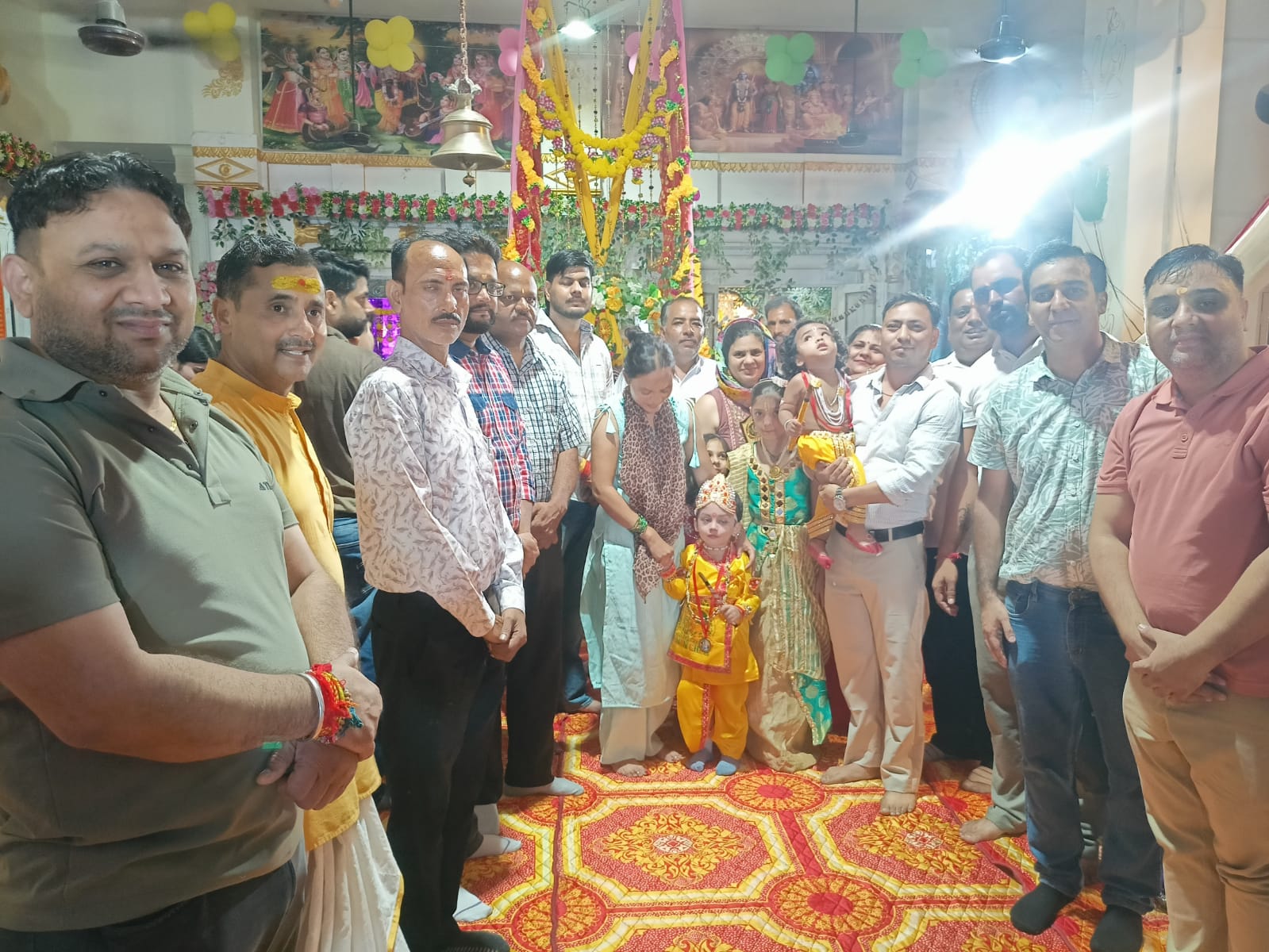 Prakash said the Sanatan Raksha Manch would continue to promote religious and cultural programmes in the future. He expressed the organisation’s commitment to supporting activities that help strengthen awareness of India’s traditional heritage and encourage younger generations to remain connected with their cultural values.
He said programmes associated with religious festivals can provide an effective platform for bringing communities together. Such events also allow people of different age groups to participate collectively and pass cultural knowledge from one generation to another.
The ceremony also served as an appreciation of the artists whose work helped add colour and visual appeal to Janmashtami celebrations. Through their performances and tableaux, they contributed to creating a festive atmosphere while presenting religious themes in an accessible form.
The organisers maintained that cultural traditions survive when communities actively participate in them and encourage younger generations to carry them forward. In this context, recognition of artists and organisations involved in Janmashtami tableaux was intended to send a positive message that traditional cultural expressions continue to have relevance.
The Sanatan Raksha Manch said it would continue organising and supporting similar initiatives in the coming years. The organisation’s emphasis will remain on promoting religious and cultural activities and creating opportunities for children and young people to participate in celebrations connected with India’s heritage.
The felicitation programme concluded with appreciation for all the participating artists and organisations. The organisers expressed the hope that such recognition would encourage them to continue their efforts and inspire others to become part of similar cultural initiatives.
The event thus combined religious celebration with cultural recognition, underlining the importance of preserving traditional forms of expression associated with festivals such as Janmashtami. By honouring those who prepared tableaux and portrayed Lord Krishna and other deities, the Sanatan Raksha Manch sought to encourage continued community participation and strengthen the connection between younger generations and cultural traditions.
POD/DESK