Educators from five districts join one-day capacity-building programme focused on safe and responsible digital practices
YAMUNANAGAR / PEN OF DEMOCRACY NEWS DESK
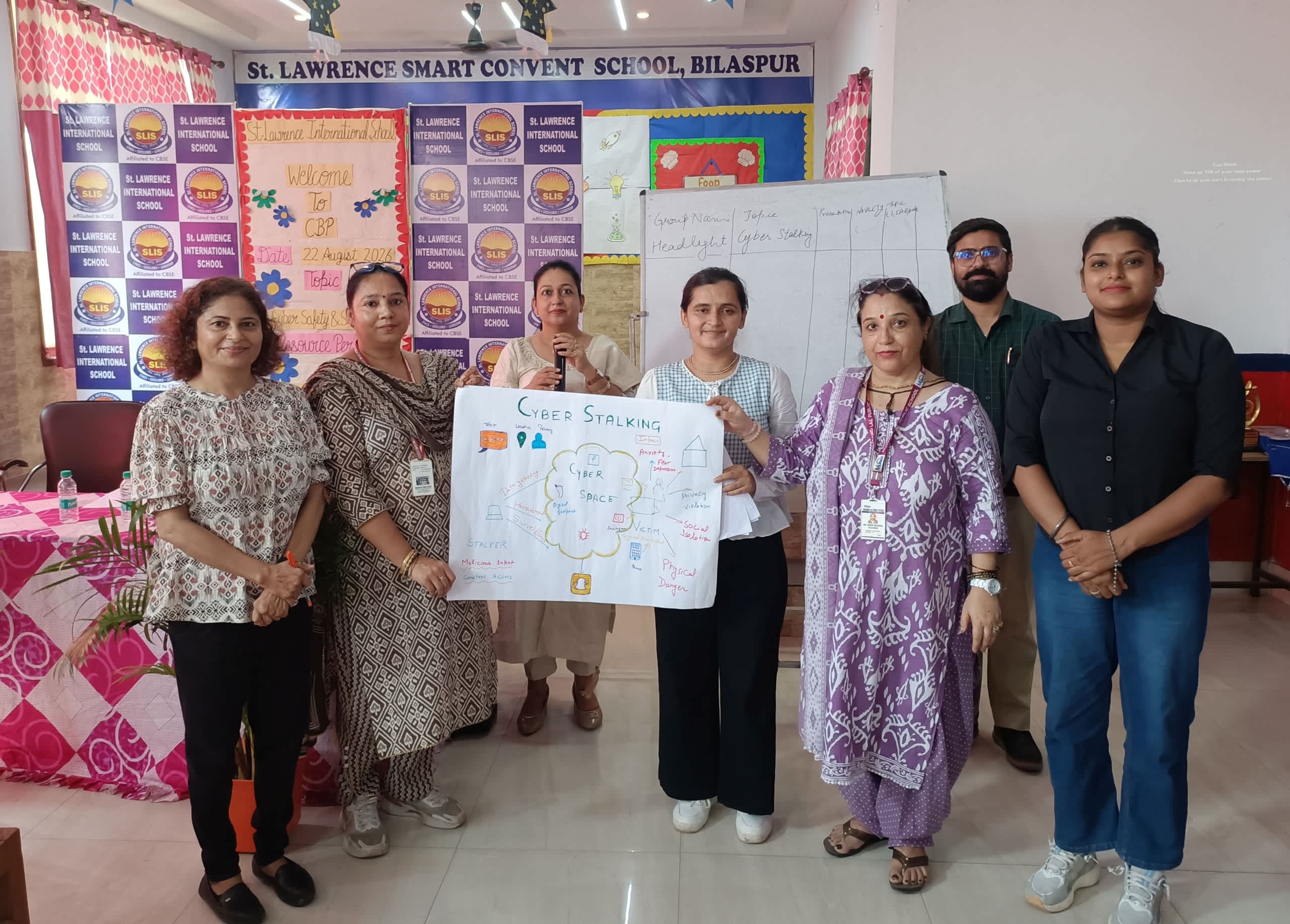
St Lawrence International School, Shahpur Road, Vyasapur, organised a one-day workshop on Cyber Security and Safety under the Capacity Building Programme of the Central Board of Secondary Education (CBSE). The programme, held under the chairpersonship of Dr Rajni Sehgal, brought together participants from schools across Yamunanagar, Karnal, Kurukshetra, Panchkula and Ambala, with a focus on strengthening awareness about safe, responsible and informed use of digital technology.
The workshop began with a traditional inaugural ceremony in which CBSE-nominated resource persons Shikha Menraey and Vikram Verma, along with Meena Rohilla and Rakhi Banga, offered prayers and floral tributes to Lord Ganesha.
The programme was designed to familiarise educators with emerging cyber threats and practical measures that can help teachers and students navigate the digital world safely. With technology becoming an increasingly important part of education, communication and everyday life, the sessions highlighted the need for greater awareness about online safety, protection of personal information and responsible digital behaviour.
In his message, noted educationist Dr M.K. Sehgal said that awareness about cyber security had become essential in the present digital age. He observed that technology had opened new possibilities in education and communication, but its benefits could only be fully realised when users understood the importance of safe and responsible practices.
He stressed the need to protect personal information, use the internet carefully and remain alert while interacting in the online environment. Dr Sehgal said teachers and students alike should be familiar with the basic principles of cyber security so that digital tools could be used effectively without compromising safety and privacy.
CBSE resource person Shikha Menraey spoke in detail about various aspects of cyber security during her session. She discussed online safety, the importance of creating strong passwords, protecting personal and sensitive information and adopting secure internet practices.
She also cautioned participants against suspicious links, messages and other potentially harmful online content. According to her, awareness and alertness remain among the most effective tools for preventing cyber threats.
Through different activities and practical examples, she encouraged participants to develop safer digital habits and to pass this awareness on to students. The session emphasised that cyber security is not limited to technical experts but is a shared responsibility of every individual using digital devices and online platforms.
Resource person Vikram Verma addressed the participants on cyber security and responsible digital citizenship. His session covered important issues including cyberbullying, online fraud, fake profiles, social media safety and digital footprints.
He highlighted the importance of helping students understand that their actions in the digital space can have long-term consequences. Teachers, he said, have an important role in guiding young learners to use technology with responsibility, caution and sound judgement.
Verma further emphasised that awareness at the school level can play a significant role in preparing students to become safe and responsible digital citizens. Schools can help create a secure online culture by encouraging open discussions about cyber threats, responsible use of social media and the need to report suspicious or inappropriate online activity.
Chairperson Dr Rajni Sehgal said cyber security and safety were no longer merely technical concerns but had become an essential part of everyday life. As digital technology continues to influence education, communication and social interaction, individuals must remain informed about the risks associated with the online world and the precautions required to address them.
She said such workshops help educators understand evolving technological challenges and equip them to create safer digital environments for students. Teachers who are aware of cyber threats and online safety practices can play a crucial role in guiding young people and helping them make informed decisions while using digital platforms.
Dr Sehgal also reiterated the school management’s commitment to organising similar educational and awareness-oriented programmes in the future. Such initiatives, she said, would help teachers and students remain updated with changing technological requirements and develop into responsible, aware and digitally secure members of society.
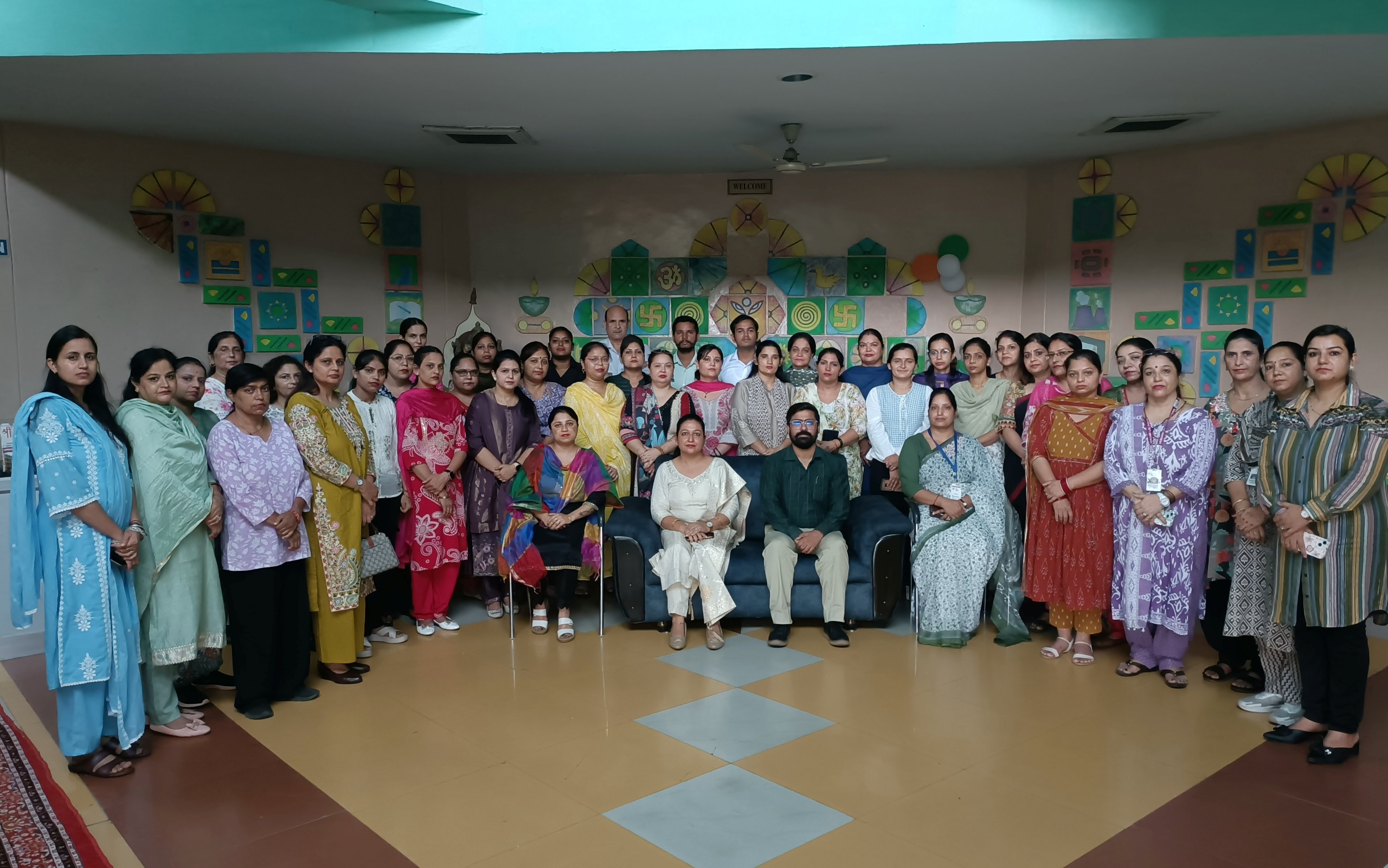 During the concluding session, participants from different schools shared their experiences and described the workshop as informative, awareness-oriented and highly useful for their teaching work. The programme provided educators with an opportunity to exchange perspectives and strengthen their understanding of cyber security issues that increasingly affect schools and students.
The workshop concluded with a collective emphasis on the importance of awareness, vigilance and responsible digital behaviour. Participants agreed that cyber safety education must become an integral part of the learning environment, enabling teachers to guide students not only in using technology effectively but also in protecting themselves from the growing risks of the digital world.
POD/DESK