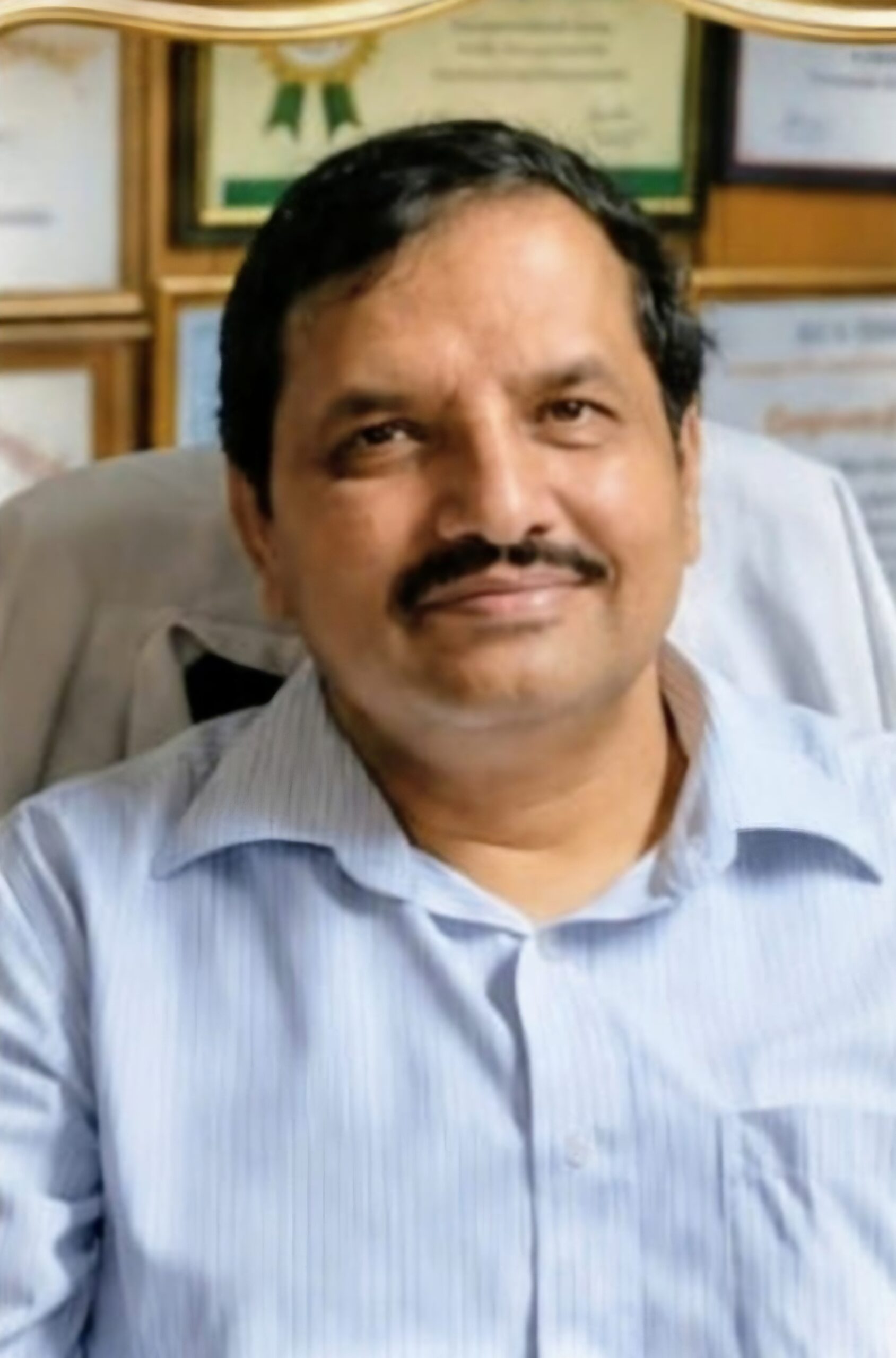
National Award-winning senior surgeon Dr Anil Aggarwal
addresses the media on World Hepatitis Day 2026, highlighting the growing burden of hepatitis and fatty liver disease in India.
One in Three Indians Has Fatty Liver Disease, Warns National Award-Winning Surgeon,Dr Anil Aggarwal on World Hepatitis Day
Yamunanagar | Rama Kaushik
With liver diseases emerging as one of India’s fastest-growing public health challenges, National Award-winning senior surgeon Dr Anil Aggarwal has urged people not to ignore the warning signs of hepatitis and fatty liver disease, stressing that early diagnosis, vaccination and preventive healthcare can save thousands of lives every year.
Speaking on the occasion of World Hepatitis Day 2026, Dr Aggarwal said viral hepatitis continues to impose a heavy disease burden across the country, while lifestyle-related Non-Alcoholic Fatty Liver Disease (NAFLD) has reached alarming proportions. He cautioned that the growing prevalence of fatty liver among young adults and middle-aged Indians demands immediate public awareness and timely medical intervention.
According to Dr Aggarwal an estimated 3.5 to 4 crore Indians are living with chronic Hepatitis B, while nearly 6 to 7 lakh people are infected with Hepatitis C. These infections are responsible for approximately 1.5 to 2 lakh deaths annually, primarily due to complications such as liver cirrhosis and liver cancer.
However, he noted that viral hepatitis is no longer the only concern. “Today, one in every three Indians is suffering from fatty liver disease. This has become a silent epidemic driven by unhealthy lifestyles, obesity and diabetes,”Dr Agrawal said.
He explained that excessive consumption of processed foods, sedentary habits, lack of physical exercise and rising obesity have contributed significantly to the increasing incidence of fatty liver disease. If left untreated, fatty liver can gradually progress to liver fibrosis, cirrhosis and even liver cancer. The risk becomes substantially higher when fatty liver coexists with chronic Hepatitis B infection.
Dr Aggarwal emphasised that prevention remains the most effective strategy against liver diseases. He said Hepatitis A can be prevented through a two-dose vaccine, while three doses of the Hepatitis B vaccine provide lifelong protection. He encouraged parents to ensure complete vaccination for their children and advised travellers and high-risk individuals to remain fully immunised.
At the same time, he clarified that there is currently no vaccine available for Hepatitis C or fatty liver disease, making early screening and healthy lifestyle choices critically important. Highlighting remarkable advances in medical treatment,
Dr Aggarwal said the introduction of Direct-Acting Antiviral (DAA) therapy has transformed the management of Hepatitis C. Modern medicines such as Sofosbuvir and Velpatasvir can now cure more than 95 per cent of patients within just 12 weeks, offering hope to millions affected by the disease.
The senior surgeon also outlined five essential measures for maintaining a healthy liver. He advised every family to complete Hepatitis A and B vaccination, limit alcohol intake along with oily and sugary foods, engage in at least 30 minutes of daily physical activity, consume safe drinking water, use only screened blood and sterile syringes, and undergo timely HBsAg and Anti-HCV screening for early detection.
He warned that hepatitis is often called a “silent killer” because many patients remain symptom-free until irreversible liver damage has already occurred. Routine health check-ups, especially for people with diabetes, obesity, family history of liver disease or other risk factors, can significantly improve treatment outcomes through early diagnosis.
Calling for a collective national effort, Dr Agrawal said awareness campaigns, expanded vaccination coverage and regular screening must become integral parts of India’s public health strategy.
“If we prioritise timely testing, effective treatment and universal vaccination, India can achieve the goal of becoming Hepatitis-free by 2030. Prevention is always more effective than cure, and every citizen has a role to play in protecting liver health,” he said.