Advanced Fashion Designing Opens New Career and Employment Opportunities for Creative Youth
From digital design and CAD to merchandising, styling and entrepreneurship, modern fashion education is connecting creativity with industry-ready skills
CHANDIGARH | PEN OF DEMOCRACY EDITORIAL DESK
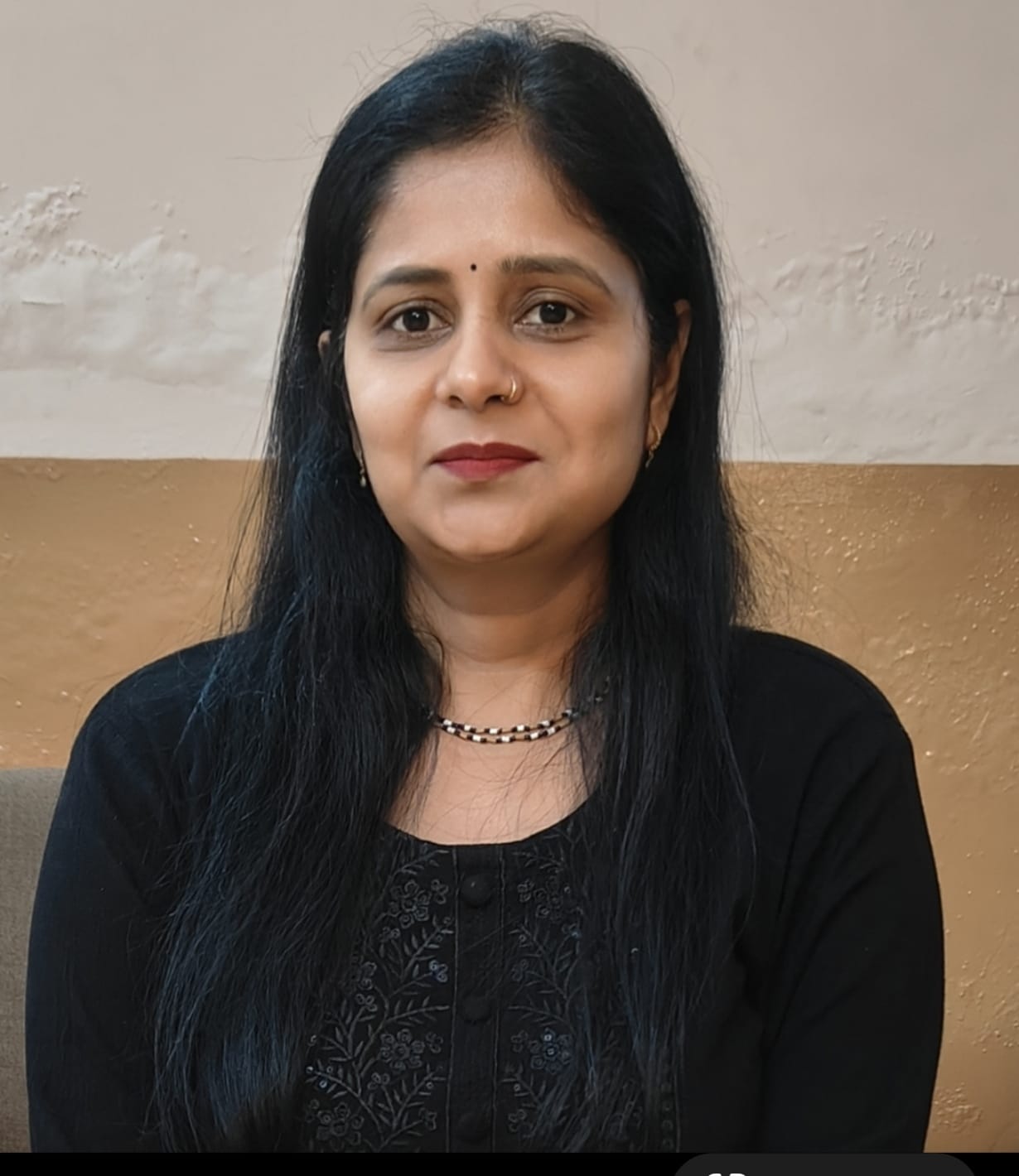
By Kanchan Mehta
M.A. Fashion Designing, Instructor | Chaudhary Devi Lal University, Sirsa
Fashion designing is no longer confined to creating attractive garments or sketching imaginative patterns on paper. It has evolved into a multidisciplinary field that combines creativity with technology, market understanding, production skills and entrepreneurship. For students who complete basic training in fashion designing, advanced fashion designing offers an opportunity to develop the practical and professional skills required by the contemporary fashion industry.
The modern fashion designer is expected to understand the complete journey of a garment — from the first idea and selection of a theme to fabric sourcing, pattern development, construction, presentation, marketing and sale. This broader approach has also expanded the employment and self-employment opportunities available to trained fashion professionals.
From Creative Ideas to Market-Ready Collections
Advanced fashion designing introduces students to a wide range of areas, including fashion illustration, pattern making, draping, garment construction, textile studies, digital designing, fashion merchandising and portfolio development.
A successful collection begins with an idea, but transforming that idea into a commercially viable product requires a structured process. Students learn to select a theme, conduct market research, develop mood boards, prepare colour schemes, select appropriate fabrics, create sketches, develop patterns and finally present the finished garments.
This process helps students understand that fashion is both an artistic discipline and a professional industry. Creativity provides the starting point, while technical knowledge and market awareness help convert an idea into a product that customers can actually use and purchase.
Technology Is Transforming Fashion Designing
Digital technology has brought a major transformation to the way fashion is designed and developed. Designers can now use digital sketching, graphic-design tools and computer-aided design (CAD) systems to create accurate designs in considerably less time.
Digital tools also allow designers to experiment with colours, prints, textures and silhouettes before physically producing a garment. This can reduce the consumption of fabric and other materials while making it easier to identify and correct design-related problems at an early stage.
Three-dimensional designing and virtual sampling have further expanded the possibilities. Designers can examine aspects such as fit, fall and overall appearance digitally before moving towards physical sampling. Technology therefore works as a practical extension of creativity, helping designers test, refine and present ideas more efficiently.
Understanding the Market Is Equally Important
Creativity alone does not guarantee success in fashion. A professional designer must also understand the customer. Factors such as age, lifestyle, purchasing capacity, season, location, comfort and changing fashion preferences influence consumer choices.
Market research helps designers identify what customers are looking for and what price range they are willing to consider. Designers therefore need to remain familiar with emerging colours, fabrics, prints, production techniques and changing fashion trends.
Areas such as fusion wear, ready-to-wear clothing, sustainable fashion and customised garments have created opportunities for designers to develop specialised collections for specific customer groups.
Diverse Employment Opportunities
Advanced fashion designing can lead to a wide range of professional careers. Trained students can work as fashion designers, fashion illustrators, stylists, pattern makers, garment technicians, textile designers, fashion merchandisers, visual merchandisers and fashion consultants.
Employment opportunities can be found across garment manufacturing companies, export houses, fashion brands, boutiques, educational institutions, film and television production and online fashion platforms.
Fashion styling is another professional area. Stylists may work on complete looks for models, performers, brides, public personalities and advertising assignments. Fashion merchandising offers another career path by connecting design, production, purchasing, pricing and sales.
Digital Platforms Are Creating New Possibilities
The growth of social media and e-commerce has changed the entry barriers for young fashion entrepreneurs. A designer does not necessarily need a large physical showroom to begin building a customer base.
With suitable product photography, digital branding and effective communication, designers can showcase collections through online platforms and connect directly with potential customers. Digital marketing and online branding have consequently become important complementary skills for fashion students.
Fashion Designing and Self-Employment
Advanced fashion education can also support entrepreneurship. After acquiring appropriate training and experience, students can establish boutiques, design studios, online fashion brands, tailoring and training centres or customised garment businesses.
Depending on the business model, social media and e-commerce platforms can help entrepreneurs reach customers without requiring a large initial physical setup. Sustainable success, however, requires more than attractive designs. Good fitting, quality stitching, reliable delivery, timely completion of orders and effective customer communication are equally important.
Skills That Build a Sustainable Career
The fashion industry requires professionals who combine creativity with discipline and continuous learning. Students need strong technical skills while also learning how to understand customers, work within budgets and respond to changing market conditions.
A good portfolio can demonstrate a designer’s abilities, while regular practice, exposure to new techniques and willingness to learn digital tools can strengthen professional prospects.
RELATED READING | PEN OF DEMOCRACY
Innovation and entrepreneurship initiatives are creating new career pathways for students
Advanced fashion designing therefore represents a meeting point between creativity, technology and entrepreneurship. For young people with an interest in design, clothing and visual creativity, appropriate training can open pathways not only to employment but also to independent professional ventures.
With structured education, practical experience, continuous skill development and an understanding of the market, fashion designing can become a creative and professionally rewarding career option. Its connection with digital technology and online commerce is also creating new ways for emerging designers to take ideas from the drawing board to the marketplace.
Author note: Kanchan Mehta holds an M.A. in Fashion Designing and is an instructor at Chaudhary Devi Lal University, Sirsa. This editorial examines the changing role of advanced fashion designing, digital skills and market knowledge in building career and entrepreneurship opportunities.