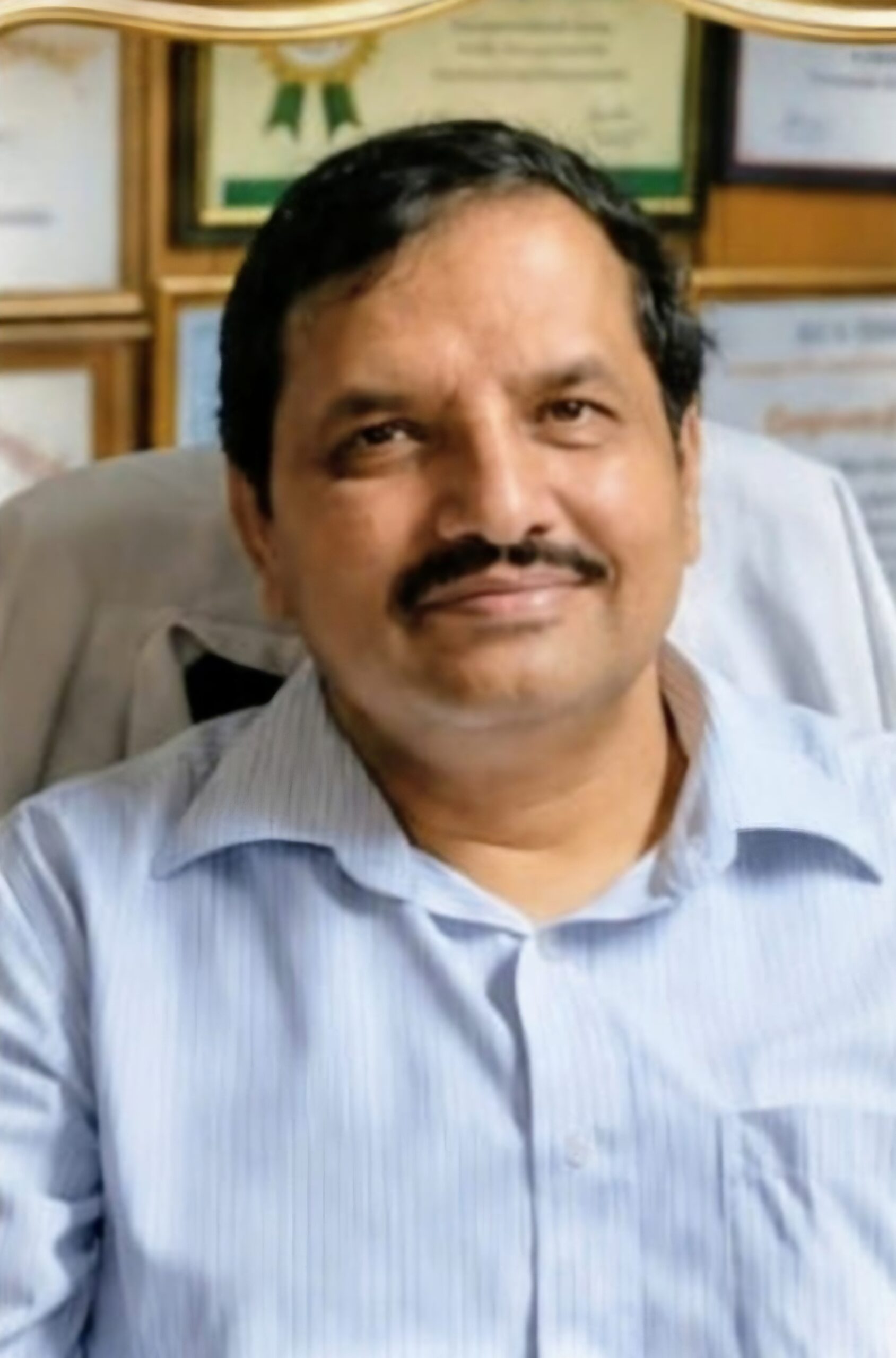
National Award-winning senior surgeon Dr Anil Aggarwal
addresses the media on World Hepatitis Day 2026, highlighting the growing burden of hepatitis and fatty liver disease in India.
Experts stress early diagnosis, healthy lifestyle and timely treatment as neurological disorders continue to rise across all age groups
Yamunanagar | Rama Kaushik
Marking World Brain Day on July 22, renowned surgeon and National Award recipient Dr Anil Aggarwal emphasised that timely medical intervention can dramatically improve outcomes for stroke patients, saying that a person suffering from paralysis caused by a stroke can recover if treatment begins within the first three to four-and-a-half hours after symptoms appear.
Observed annually by the World Federation of Neurology, World Brain Day 2026 is being celebrated under the theme “Brain Health for All Ages,” highlighting the importance of protecting brain health from childhood to old age through preventive care, healthy lifestyles and early medical intervention.
Dr Aggarwal said neurological disorders are emerging as a major public health challenge in India. Common brain-related conditions include stroke, epilepsy, migraine, dementia, Parkinson’s disease and various mental health disorders. He noted that the increasing prevalence of hypertension, diabetes, air pollution and sedentary lifestyles has significantly raised the risk of stroke and dementia among people over the age of 50. At the same time, chronic stress, inadequate sleep and excessive screen time are increasingly affecting the brain health of younger generations.
Highlighting the country’s healthcare challenges, Dr Aggarwal pointed out that India faces a severe shortage of neurologists, making awareness, prevention and technology-driven healthcare solutions more important than ever. He said expanding access to tele-neurology services and strengthening early diagnosis can help bridge the gap in specialist care.
Speaking about stroke management, he described the first three to four-and-a-half hours after the onset of symptoms as the “Golden Hours,” during which immediate treatment can significantly reduce disability and improve survival. During this critical period, doctors can administer clot-dissolving medication or perform mechanical thrombectomy to restore blood flow to the brain.
Dr Aggarwal urged people to remember the internationally recognised FAST warning signs of stroke: Face drooping, Arm weakness, Speech difficulty and Time to call emergency medical services immediately. He said recognising these symptoms quickly and reaching a hospital without delay can make the difference between full recovery and permanent disability.
He also highlighted rapid advances in neurological treatment. Patients suffering from Parkinson’s disease now have access to Deep Brain Stimulation (DBS) with directional leads and Focused Ultrasound Therapy for tremor control. Migraine patients are benefiting from modern therapies such as CGRP monoclonal antibodies, oral gepants and Botulinum toxin (Botox) injections, which can provide relief for several months.
For Alzheimer’s disease, newer antibody therapies including Lecanemab and Donanemab are showing promise in slowing disease progression during its early stages. He added that emerging blood-based diagnostic tests may detect Alzheimer’s disease many years before symptoms become clinically apparent, opening new possibilities for early intervention.
Dr Aggarwal further said that patients with drug-resistant epilepsy now have additional treatment options, including Responsive Neurostimulation and Laser Ablation, while research into Brain-Computer Interface (BCI) technology continues to reshape the future of neuroscience.
Referring to ongoing international developments, he noted that Neuralink, the brain-chip technology founded by Elon Musk, has entered human clinical trials. Although still experimental, the technology aims to help people with paralysis control digital devices using brain signals and could potentially transform rehabilitation for stroke and ALS patients in the future.
Dr Aggarwal stressed that many neurological disorders can be prevented through healthy lifestyle choices. He advised people to keep blood pressure, blood sugar and cholesterol under control, quit smoking and tobacco use, exercise for at least 30 minutes daily, eat a balanced diet, sleep for seven to eight hours every night, limit alcohol consumption and always wear helmets and seat belts to prevent head injuries.
He also encouraged lifelong learning, reading and social engagement to keep the brain active and healthy.
On the occasion of World Brain Day, Dr Aggarwal urged people to make brain health a lifelong priority through regular health check-ups, early diagnosis and timely medical care.