PEN OF DEMOCRACY
A VOICE FOR THE PEOPLE
Adaptive Clothing: Designing Comfort, Dignity and Independence for Persons with Disabilities
From easy-fastening buttons and wheelchair-friendly trousers to sensory-friendly fabrics, thoughtful design can make everyday dressing simpler and more comfortable for people with special needs
For many people, everyday tasks such as fastening the small buttons of a school shirt, pulling a sweater over the head or reaching into a trouser pocket while seated are routine activities. However, for persons with disabilities and children with special needs, these seemingly simple actions can sometimes become challenging. Small but thoughtful changes in the design, fitting and construction of clothes can make a meaningful difference. Clothing designed around these requirements is known as adaptive clothing. Its purpose is not merely to make garments easier to wear, but also to help individuals retain their personal style, comfort and independence. Wherever possible, adaptive garments enable the wearer to put on and remove clothes without assistance, while ensuring that the design reflects individual preferences and everyday requirements.
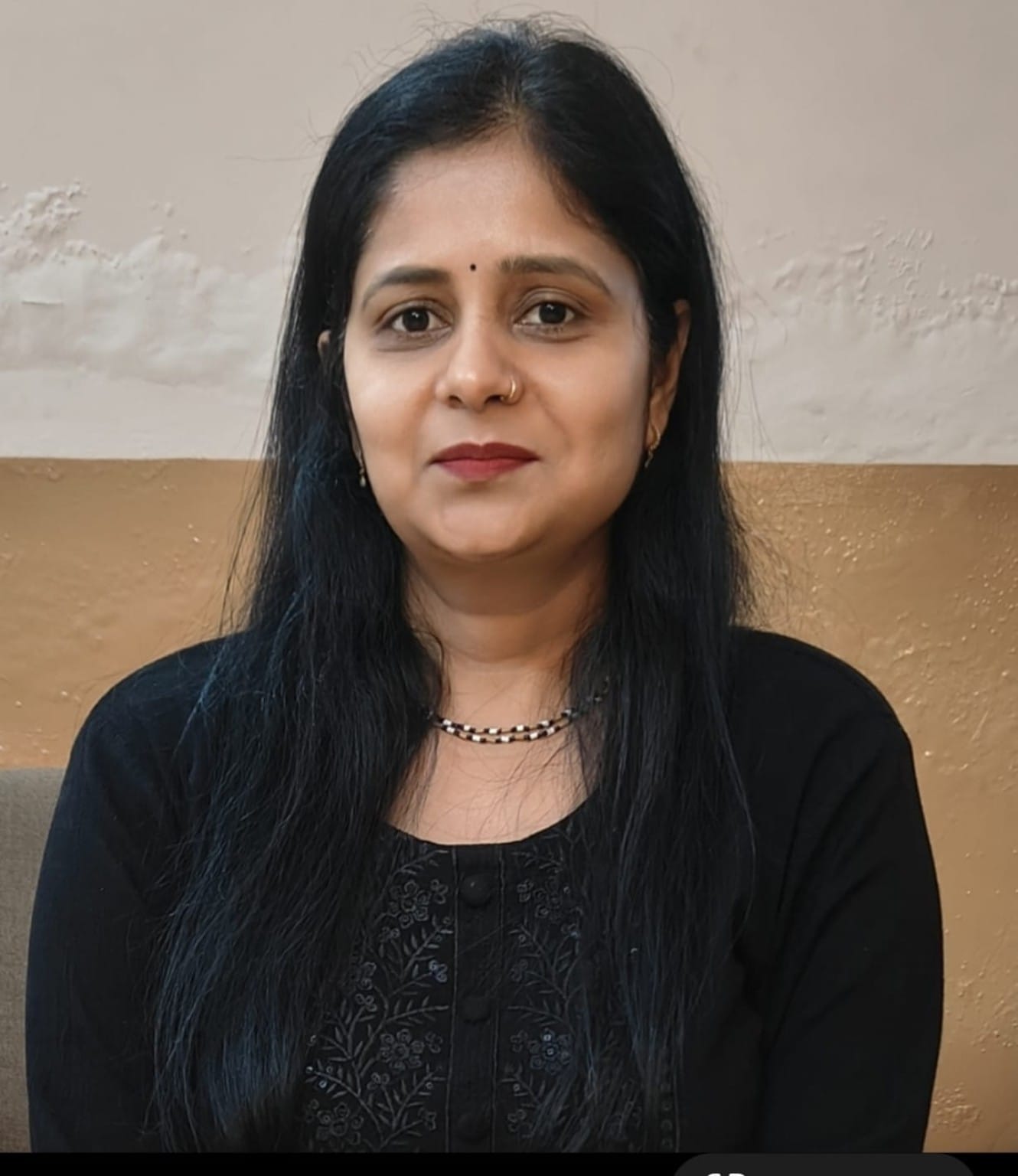
KANCHAN MEHTA
M.A. in Fashion Designing
Instructor, Department of Fashion Designing
Chaudhary Devi Lal University, Sirsa
Button and Fastener Placement Matters
For people who find it difficult to grip small buttons with their fingers, larger buttons, loop-style zip pulls and hook-and-loop fasteners can provide practical alternatives. A shirt can retain the appearance of a conventional button-down garment by using decorative buttons on the front while placing hook-and-loop fastening strips underneath. This approach preserves the familiar look of the shirt while making it easier to open and close. For individuals who experience restricted shoulder or arm movement, front-opening shirts and jackets can be more convenient than garments that need to be pulled over the head. The placement and type of fasteners should therefore be selected after considering the wearer’s range of movement and ease of handling.
POD SPECIAL COVERAGE · CHILDREN & INCLUSION
Every Child Holds the Promise of a Brighter Tomorrow: Dr Anju Bajpai
Read another POD report highlighting children’s inclusion, participation and well-being.
Fitting Must Be Checked in a Seated Position
The fitting of trousers requires particular attention for people who use wheelchairs. Instead of assessing a garment only while standing, its fit should be checked in the seated position in which it will be worn for much of the day. A slightly higher back rise can help keep the waist covered while sitting. Thick seams at the back and raised pockets may cause discomfort or pressure during prolonged sitting. Pockets should be positioned so that the wearer can reach them comfortably without unnecessary stretching or awkward movement. Similarly, for a person using a prosthetic leg, an opening along the side of the trouser leg can make dressing and undressing easier. Such modifications demonstrate how garment construction can respond to practical needs without compromising the overall appearance of clothing.
Fabric Texture and Sensory Comfort Deserve Attention
The feel of a garment against the skin is another important consideration. Some individuals may be uncomfortable with labels around the neck, rough seams or tightly fitted elastic. Depending on the wearer’s preference, soft fabrics, flat seams and printed labels can help reduce such discomfort. For people with low vision, clear colour contrast between the garment and its buttons can make fastening easier. A small tactile marker placed inside the garment can also help the wearer identify its front and back by touch. These details may appear minor, but they can contribute significantly to a more comfortable dressing experience. The choice of fabric, placement of seams and finish of the garment should be considered together, keeping the person’s comfort and daily use in view.
ALSO READ · EDUCATION & OPPORTUNITY
Sainik School Opens Admission Pathways for Girls for 2027
Explore more POD coverage on expanding opportunities for young learners.
The Wearer’s Opinion Should Guide the Design
Fashion-design students can begin exploring adaptive clothing by modifying familiar garments such as kurtas, shirts or school uniforms. The first step should be to speak with the intended wearer and understand which parts of dressing are difficult, as well as their preferences regarding colour, fabric and style. A sample garment can then be developed and tested to assess how easily the person can put it on and take it off in their usual posture. Feedback from the wearer should guide further changes to openings, pockets, fasteners and seam placement. The process should not be based on assumptions about what a person with a disability needs. Instead, the wearer should remain an active participant in decisions about the garment. A design that is technically convenient but ignores personal preference may not be comfortable or acceptable to the individual.
Adaptive clothing offers an opportunity to bring together functionality, comfort and personal expression. By paying attention to fitting, openings, fabric selection and the everyday experiences of the wearer, fashion designers can create garments that make routine activities easier while respecting individuality and dignity. The central idea is simple: clothing should adapt to the person, rather than expecting the person to adjust to the limitations of a garment.
EDITORIAL NOTE
Adaptive clothing is not simply a matter of changing a garment; it is about recognising the individual behind the clothing. Designers must listen to the wearer, respect personal choices and consider comfort, access and dignity at every stage. The most meaningful design is one that makes everyday dressing easier without taking away the freedom to choose one’s own style.
PEN OF DEMOCRACY
A VOICE FOR THE PEOPLE