Tie-Dye, Batik and Block Printing: Traditional Techniques That Transform Simple Fabric into Art
From Bandhani and Leheriya to Sanganeri and Bagru prints, traditional surface-design techniques continue to inspire contemporary fashion and creative textile design
CHANDIGARH | PEN OF DEMOCRACY NEWS DESK
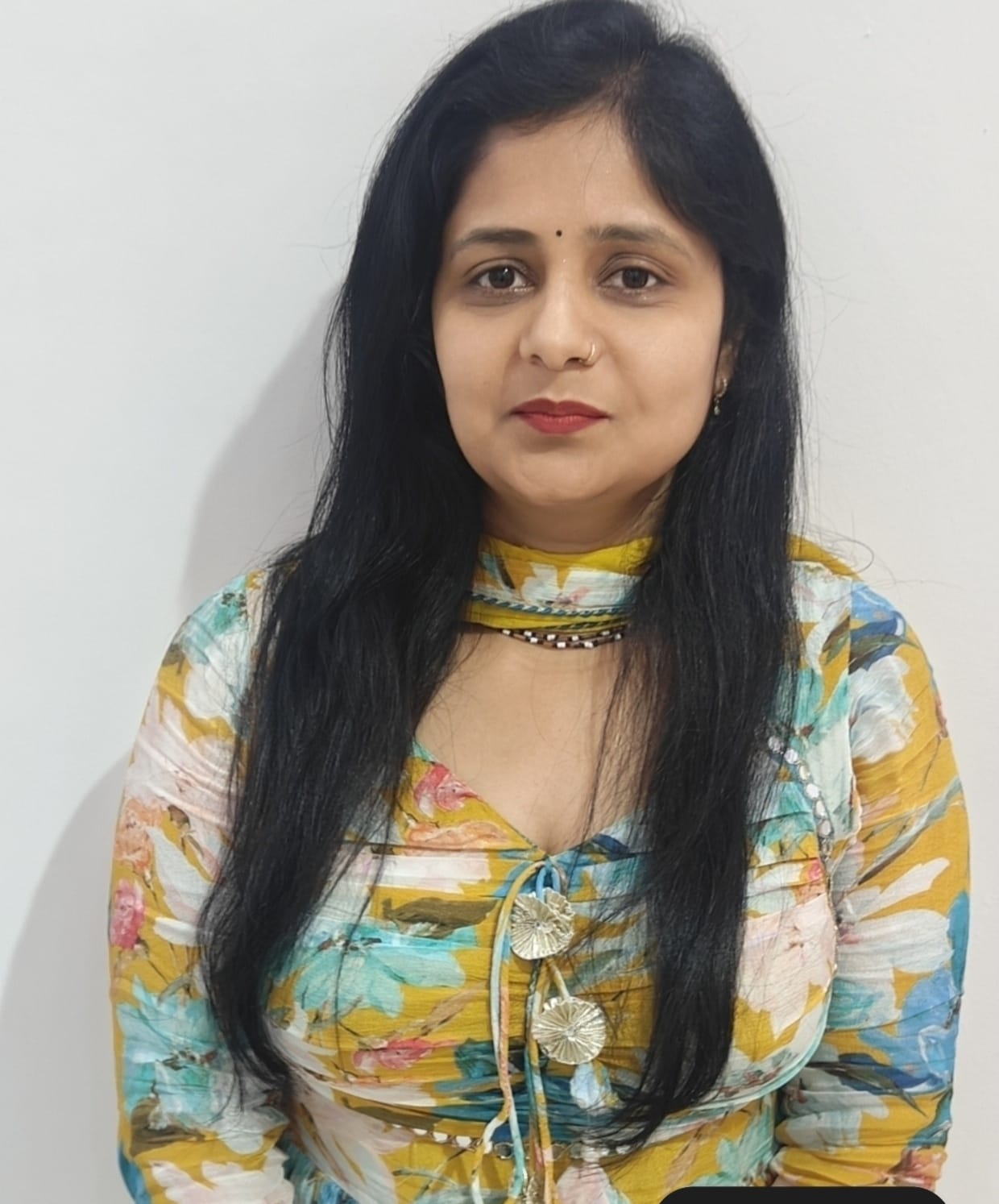
Kanchan Mehta
M.A. Fashion Designing
Instructor, Chaudhary Devi Lal University, Sirsa
Surface Design Gives Fabric a Distinctive Identity
Fashion designing is not limited to garment cutting, stitching and fitting. The visual character of a garment also depends greatly on how its fabric is transformed through colour, texture, patterns and artistic detailing. This creative process, commonly known as surface design, gives designers the freedom to turn an ordinary piece of fabric into something distinctive and visually appealing.
Among the traditional textile techniques that have remained relevant across generations are tie-dye, batik and block printing. Deeply connected with India’s rich textile heritage, these techniques continue to find a place in contemporary fashion, where traditional methods are being reinterpreted through modern colours, patterns and applications.
Tie-Dye: Creating Patterns Through Colour and Form
Tie-dye is one of the most accessible and creative surface-design techniques. In this process, selected portions of fabric are tightly tied using thread, rubber bands or other suitable materials before the fabric is dyed. The tied portions resist the colour, creating distinctive patterns and forms when the bindings are removed.
The final appearance depends greatly on how the fabric is folded, twisted, gathered or tied and how colours are introduced during the dyeing process. Even small changes in the arrangement of the fabric can produce completely different visual effects.
India has a long and celebrated tradition of tie-dye textiles. Bandhani of Rajasthan and Gujarat and Leheriya of Rajasthan are among the best-known examples. Their vibrant colours and distinctive patterns have made them an important part of India’s textile identity.
In contemporary fashion, tie-dye is no longer restricted to sarees and dupattas. Designers increasingly use the technique for kurtis, T-shirts, skirts, children’s garments and a variety of fashion products. Its adaptability makes it particularly useful for designers who want to combine traditional craftsmanship with modern styling.
ALSO READ
Weaving, Knitting and Fabric Structure: Understanding the Foundation of Better Fashion Design
Batik: The Art of Resist Dyeing
Batik represents another fascinating approach to textile surface decoration. It is essentially a resist-dyeing technique, in which hot wax is applied to those portions of fabric where the designer does not want the dye to penetrate.
After the wax has been applied, the fabric is immersed in a dye bath. The wax-covered areas resist the colour, creating a contrast between dyed and undyed portions. Once the dyeing process is completed, the wax is removed, revealing the intended design.
The process can be repeated with different colours to create multicoloured and more intricate compositions. One of the most recognisable characteristics of batik is the fine crackle-like lines that can appear across the surface. These lines are created as the wax develops cracks during the process, allowing small amounts of dye to penetrate.
This characteristic crackled effect gives batik its distinctive artistic identity. Since the pattern and colour distribution can vary from one piece to another, batik also offers designers considerable scope for experimentation and individual expression.
Block Printing: Tradition Through Repeated Motifs
Block printing is among the most widely recognised traditional methods of textile decoration. The technique involves applying colour to a carved wooden block and pressing it onto the fabric. The block carries the desired motif, which may include flowers, leaves, geometric forms or traditional decorative elements.
By placing the block repeatedly in a carefully planned sequence, designers can create continuous patterns across an entire length of fabric. Precision, rhythm and consistency are important because even a small variation in placement can affect the overall appearance of the design.
India’s textile heritage includes several celebrated block-printing traditions. Sanganeri and Bagru printing of Rajasthan are particularly well known for their distinctive motifs and craftsmanship.
Modern designers are now exploring block printing beyond conventional clothing. Traditional motifs are being adapted for contemporary garments, home furnishings and fashion accessories, demonstrating how an established craft can continue to evolve without losing its cultural character.
Practical Learning Builds Creative Confidence
For students of fashion designing, practical knowledge of tie-dye, batik and block printing is particularly valuable. Learning these techniques provides students with an opportunity to understand colour combinations, pattern development, design balance and creative manipulation of fabric surfaces.
The importance of practical experimentation cannot be overstated. Students learn not only by following established techniques but also by observing how small changes in folding, tying, waxing, printing, colour selection and application can produce different results.
Such experimentation encourages students to move beyond simply reproducing existing designs. It allows them to develop their own visual language and understand how traditional techniques can be adapted to contemporary fashion requirements.
Traditional Techniques, Contemporary Possibilities
The enduring relevance of these techniques lies in their ability to combine craftsmanship with creativity. Tie-dye introduces pattern through controlled resistance and colour; batik creates visual depth through wax and dye; while block printing builds rhythm and structure through repeated motifs.
For emerging designers, these techniques offer more than historical knowledge. They provide a practical foundation for developing original ideas and understanding the relationship between fabric, colour, pattern and design.
The greatest strength of traditional surface-design techniques is perhaps the freedom they offer for experimentation. A simple piece of fabric can acquire an entirely new identity through thoughtful use of colour, texture and pattern.
As fashion continues to evolve, the future of these traditional techniques will depend on the ability of designers and students to preserve their essential character while exploring new applications. When tradition is combined with imagination, even an ordinary fabric can become a distinctive expression of art, craftsmanship and contemporary fashion.
NEWS NOTE
This editorial explores traditional textile surface-design techniques and their continuing relevance to fashion education and contemporary design practice.
PEN OF DEMOCRACY | A VOICE FOR THE PEOPLE