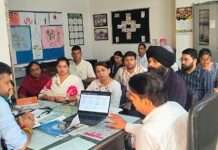
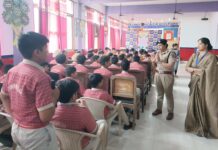
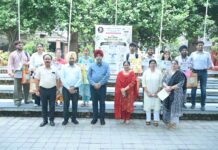
Students participate in an eco-friendly rakhi-making activity organised by the Municipal Corporation’s Swachh Bharat Mission team at Mukand Public School in Model Town, Yamunanagar.
Municipal Corporation’s Swachh Bharat Mission team encourages students to celebrate Raksha Bandhan with reusable and environment-friendly materials
PEN OF DEMOCRACY NEWS DESK | YAMUNANAGAR
In an effort to combine the spirit of Raksha Bandhan with the message of environmental responsibility, the Swachh Bharat Mission team of the Municipal Corporation organised an eco-friendly rakhi-making programme at Mukand Public School in Model Town, Yamunanagar. The initiative aimed to sensitise students about cleanliness, sustainable living and environmental conservation while encouraging them to celebrate festivals in a more responsible and eco-conscious manner.
The programme focused on the idea that festivals can be celebrated with equal enthusiasm while reducing the use of plastic and other materials that may harm the environment. Students were encouraged to explore their creativity by using natural, reusable and environment-friendly materials to prepare attractive rakhis.
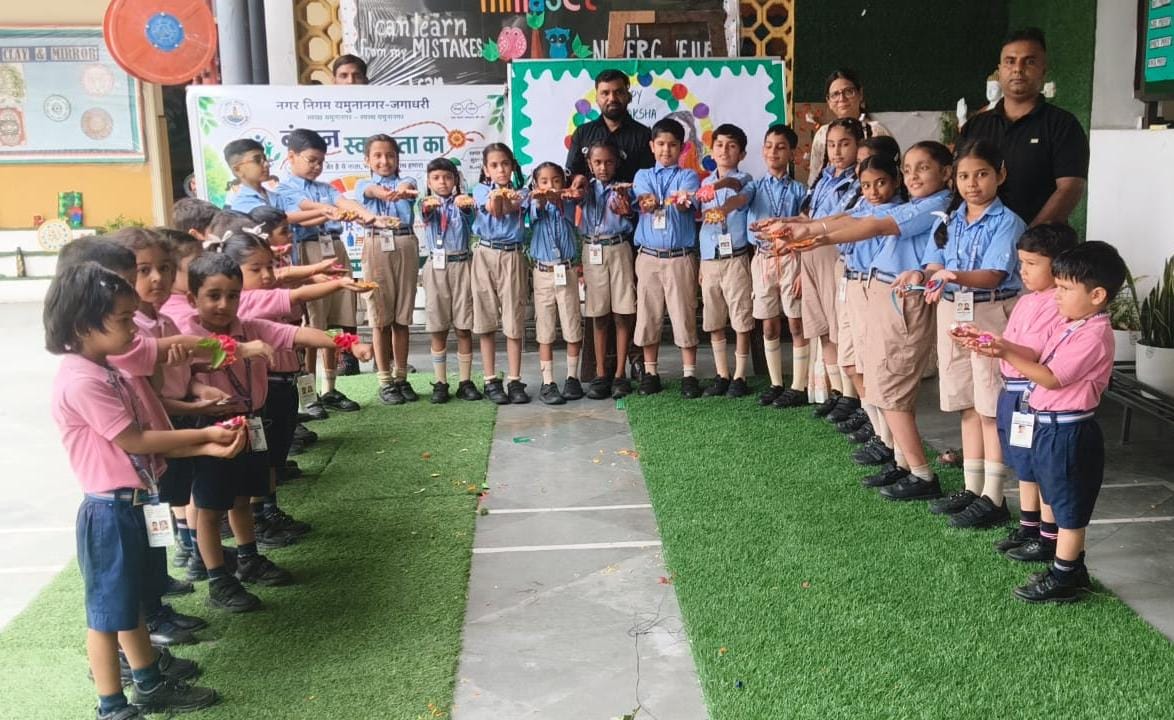
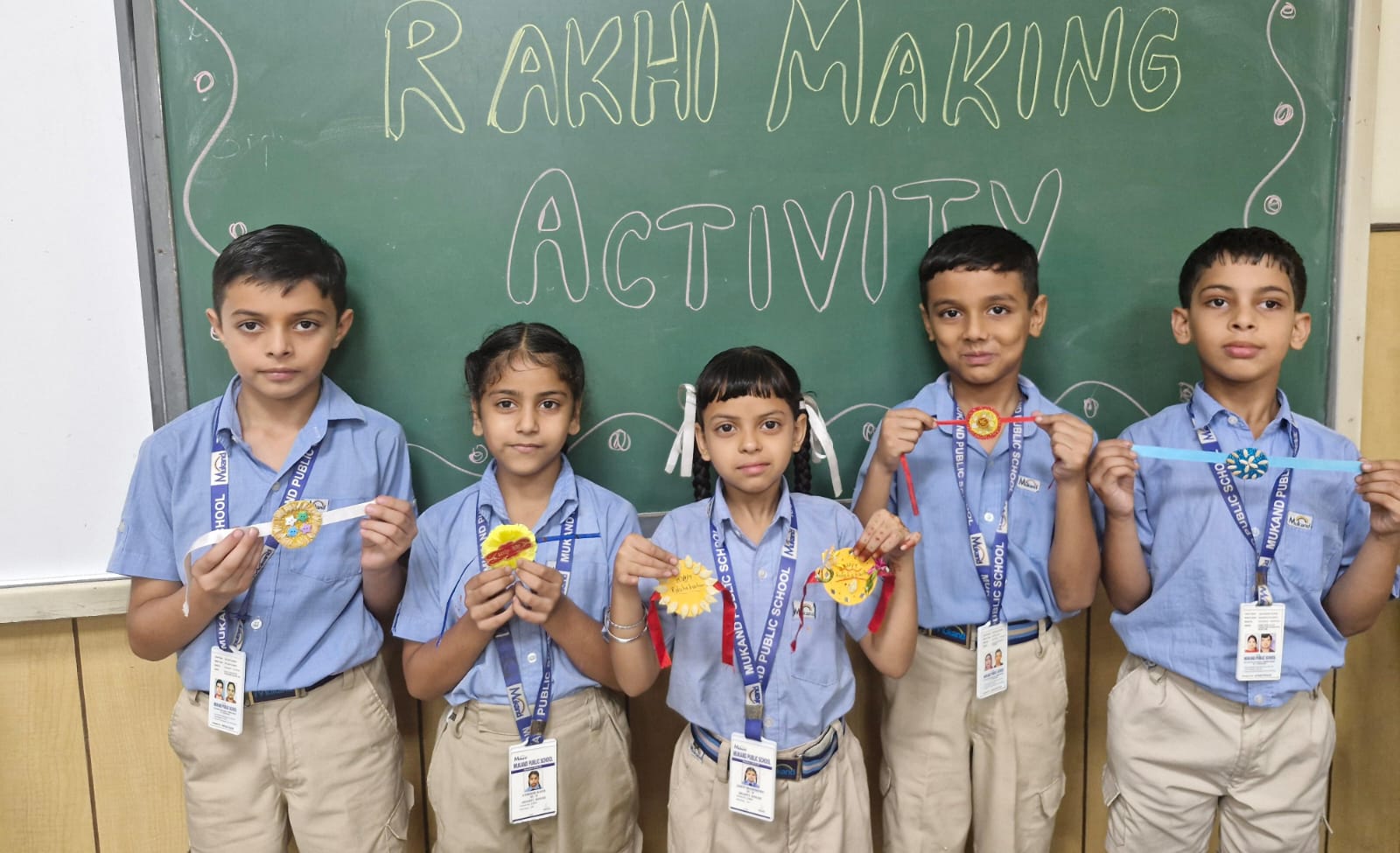
During the activity, students enthusiastically participated in designing and making rakhis using materials that could be reused or were less harmful to the environment. The exercise not only gave them an opportunity to display their artistic abilities but also helped communicate an important message about responsible consumption and waste reduction.
The young participants were encouraged to move away from excessive use of plastic and other non-biodegradable decorative materials. Through their handmade creations, the students highlighted the importance of adopting small but meaningful changes in daily life and during festivals to contribute towards a cleaner and greener environment.
The programme was conducted as part of the broader awareness efforts of the Swachh Bharat Mission, which seeks to promote cleanliness, waste management and responsible environmental practices among citizens. Schools, as centres of learning and social development, play an important role in taking such messages to young minds and encouraging them to become responsible members of society.
Swachh Bharat Mission expert Durgesh, along with associate Gagan Beniwal, interacted with the students and explained why environmental protection should remain an important consideration while celebrating festivals. They said that every citizen has a responsibility towards protecting natural resources and maintaining a clean environment.
The team highlighted that environmental awareness does not always require large-scale changes. Simple decisions, such as reducing unnecessary plastic use, reusing suitable materials and choosing eco-friendly alternatives, can collectively make a meaningful difference.
Students were also encouraged to understand the connection between personal habits, community cleanliness and environmental sustainability. The message of the programme was that celebrations should bring happiness without creating an unnecessary burden on the environment.
The activity turned the traditional practice of rakhi-making into an educational experience. Instead of treating the festival merely as an occasion for exchange of gifts and celebrations, students were introduced to the idea that cultural traditions can also become effective platforms for spreading awareness about social and environmental issues.
Raksha Bandhan is traditionally associated with affection, trust and the bond of protection. The eco-friendly rakhi initiative added another dimension to the festival by promoting the idea of protecting nature and the environment.
The students’ participation reflected growing awareness among young people about issues such as plastic pollution, waste generation and sustainable lifestyles. By involving children directly in the process of creating eco-friendly products, the programme sought to make environmental education practical and engaging.
Principal Monica Sharma appreciated the initiative and said that environment-friendly rakhis can become an effective medium for spreading the message of a clean, beautiful and green environment.
She said that educational institutions have an important responsibility in developing awareness among students about the need to protect the environment. Such activities help students understand that they can contribute to environmental conservation through their everyday choices.
The programme also encouraged students to share the message of sustainable celebrations with their families and communities. The idea was not limited to the school campus but was intended to inspire children to carry environmentally responsible practices into their homes.
The Swachh Bharat Mission team’s interaction with students further emphasised the importance of cleanliness and responsible waste management. Festivals often lead to increased use of decorative materials and other products, making awareness about sustainable alternatives particularly relevant.
By choosing natural and reusable materials for their handmade rakhis, the students demonstrated that creativity and environmental responsibility can go hand in hand. Their participation showed how traditional celebrations can be adapted to modern environmental concerns without compromising their cultural significance.
The initiative at Mukand Public School also highlighted the role of schools in shaping environmentally conscious citizens. Awareness programmes conducted during festivals can make social messages more relatable and memorable for students.
As the students proudly displayed their handmade rakhis, the programme conveyed a simple but significant message: protecting the environment begins with individual responsibility. Small actions taken by individuals, families, schools and communities can collectively contribute towards cleaner surroundings and a healthier future.
The Municipal Corporation’s Swachh Bharat Mission initiative thus combined creativity, education and environmental awareness, encouraging young students to celebrate Raksha Bandhan in a manner that reflects both cultural values and responsibility towards nature.


 The programme also encouraged students to share the message of sustainable celebrations with their families and communities. The idea was not limited to the school campus but was intended to inspire children to carry environmentally responsible practices into their homes.