Research highlights the need to strengthen fact-checking skills and responsible digital behaviour among young users
YAMUNANAGAR | PEN OF DEMOCRACY NEWS DESK
Amid the growing influence of social media and digital platforms, fake news has emerged as a major challenge, with people increasingly being exposed to misleading and unverified information. Dr. Parmesh Kumar, Head of the Department of Mass Communication at DAV Girls College, Yamunanagar, has highlighted the importance of media literacy in helping young people identify misinformation and become responsible digital citizens.
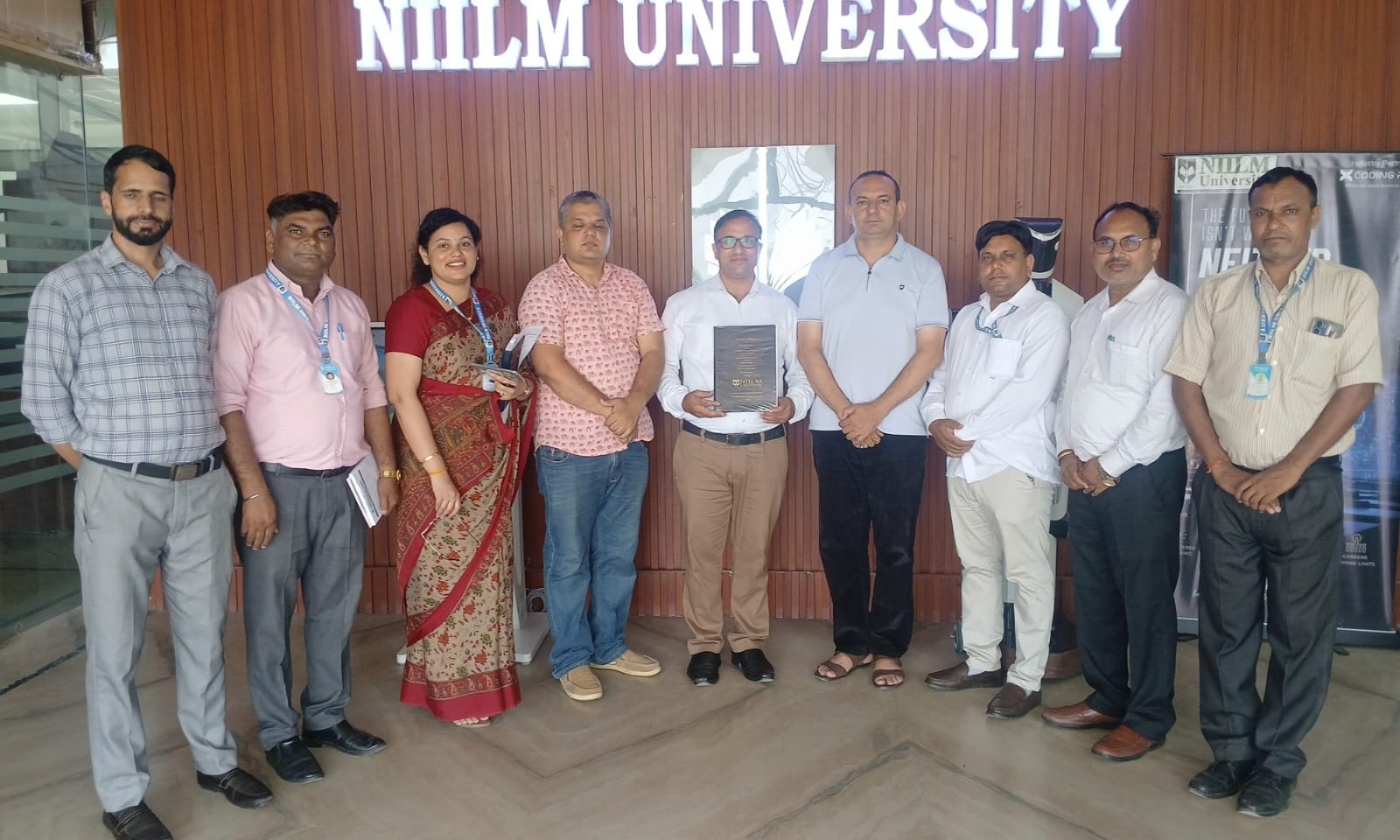
Dr. Kumar recently completed his PhD research on “Media Literacy and Fake News Awareness in the Digital Age” from Northern Institute for Integrated Learning in Management University, Kaithal.
He said the rapid expansion of digital platforms has made access to information easier than ever, but it has also accelerated the spread of misinformation. The problem becomes particularly serious on social media, where information is often forwarded or shared without verifying its source or authenticity.
 According to Dr. Kumar, the primary objective of his research was to examine awareness among young people regarding the identification of fake news, verification of information and ways of avoiding misleading digital content.
His research found that media literacy can play a significant role in developing the ability of young people to assess the credibility of information sources, verify facts and distinguish between genuine and misleading news.
Dr. Kumar said fake news has become an important challenge for journalism and mass communication in the digital era. Considering the growing use of social media and the need for greater awareness in Haryana, he chose the subject as the focus of his doctoral research.
He emphasised that media literacy should become an integral part of education so that students and young users can develop the skills required to navigate the digital information environment responsibly.
“Young people need to learn not only how to identify fake news but also how to verify information before believing or sharing it,” he said.
Dr. Kumar added that responsible digital behaviour is equally important. Unverified information can spread rapidly through social media and may influence public opinion, create confusion and cause unnecessary concern.
He said educational institutions, media organisations and society collectively have an important role in promoting fact-checking, critical thinking and responsible use of digital platforms.
Strengthening media literacy among young people, he said, can help create a generation that consumes information carefully, questions doubtful claims and avoids becoming a source of misinformation by forwarding unverified content.
POD/DESK