CBSE Holds Two-Day Hindi Course-B Workshop at St Lawrence International School in Yamunanagar
Sixty teachers from 23 schools participate in the capacity-building programme, focusing on creative, interactive and student-centred approaches to Hindi teaching
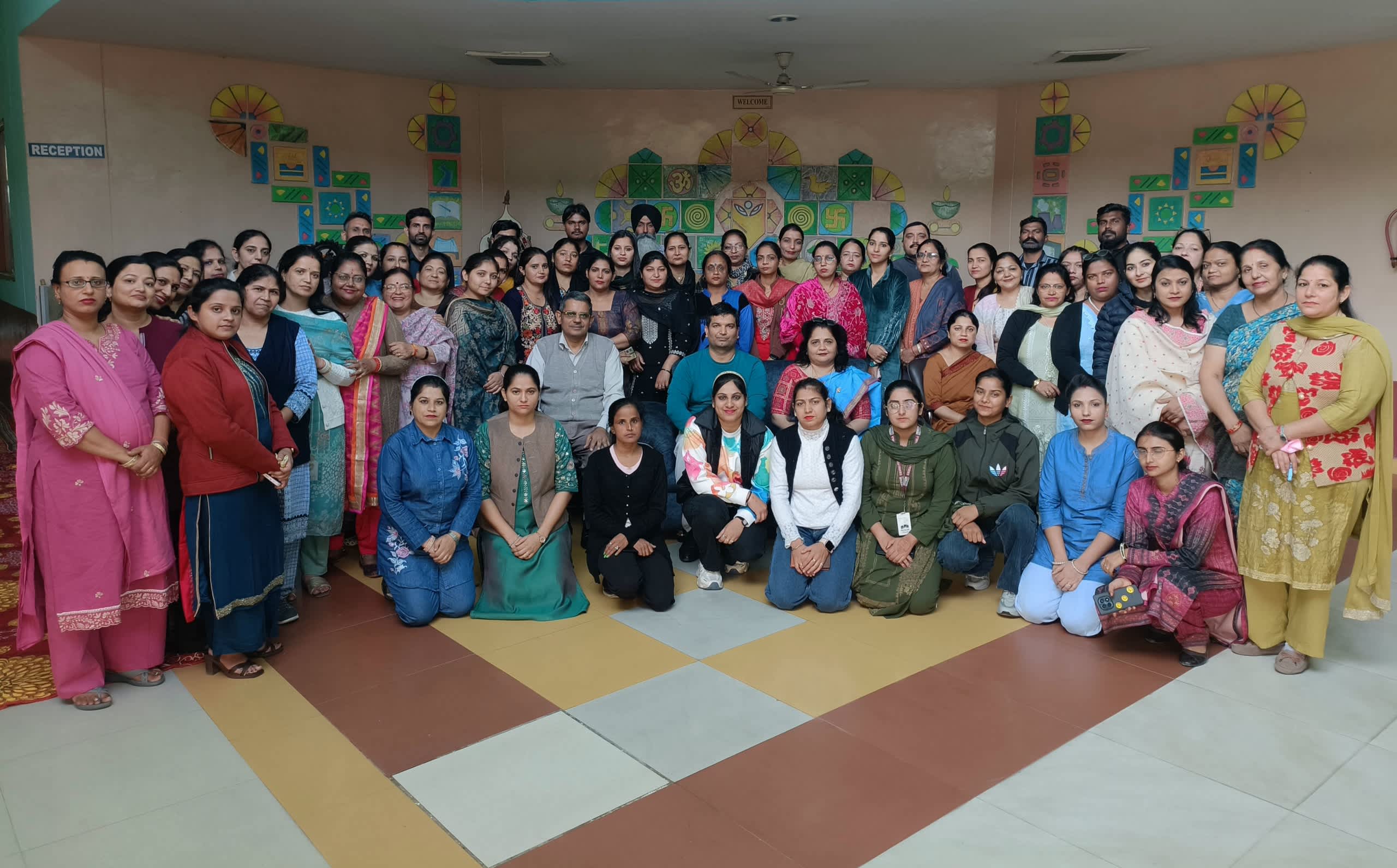
St Lawrence International School, Shahpur Road, Vyasपुर, Yamunanagar, hosted a two-day workshop on Hindi (Course-B) under the Central Board of Secondary Education’s Capacity Building Programme. The workshop brought together 60 teachers from 23 schools, providing them an opportunity to explore innovative teaching methods and strengthen classroom practices for Hindi language education.
The programme was inaugurated by CBSE-nominated resource persons Dr Chitra Anand and Vijay Kumar, who performed a prayer ceremony dedicated to Lord Ganesha and offered floral tributes. The opening session set the tone for two days of professional learning, interaction and exchange of teaching experiences.
Addressing the gathering, Dr M.K. Sehgal highlighted the importance of language as a powerful medium of intellectual and emotional expression. He said effective Hindi teaching helps students develop self-confidence, creativity, logical thinking and an understanding of cultural values.
He emphasised that continuous professional development programmes play an important role in enabling teachers to adopt new teaching methods and contribute to the all-round development of students. Such workshops, he said, provide educators with opportunities to reflect on their classroom practices and make the learning process more meaningful.
Making Hindi Learning Interactive and Meaningful
Resource person Dr Chitra Anand said Hindi should not be viewed merely as a subject for academic study or examinations, but as a language of everyday life. She observed that language learning can nurture sensitivity, creativity and freedom of expression among students.
She stressed that language education becomes meaningful when students actively participate in the learning process rather than remaining passive listeners. Demonstrating this approach, she used activities such as group discussions, role-play, essay writing and exercises based on unseen passages to illustrate participatory teaching methods.
Dr Anand explained that students become more engaged when their experiences and perspectives are given importance in the classroom. When teachers connect lessons with the lives and observations of learners, language learning becomes more enjoyable and relevant.
She encouraged teachers to create active classrooms through dialogue, empathy and a creative approach. Her sessions focused on making students confident participants who can express their thoughts, engage with ideas and develop their language skills through practical activities.
Children’s Day Celebrated with an Inclusive Spirit at Swaraj Public School
Teachers as Facilitators of Learning
Resource person Vijay Kumar underlined the need for teachers to develop curiosity and confidence among students towards the Hindi language. He said the role of a teacher goes beyond providing information; educators must inspire students to think independently, ask questions and find solutions on their own.
During the workshop, he used different teaching techniques and examples to demonstrate how connecting language lessons with everyday life can help students develop practical communication skills.
He also highlighted the importance of integrating technology, art and experiential learning into Hindi teaching. According to him, linking classroom instruction with real-life experiences can make language learning more effective and help students understand how language is used in different situations.
Vijay Kumar encouraged teachers to see themselves not merely as providers of knowledge but as sources of inspiration who guide students towards independent thinking and active learning.
Continuous Training Essential for Quality Education
Chairperson Dr Rajni Sehgal said continuous teacher training and professional skill development form the foundation of quality education. She noted that capacity-building programmes introduce teachers to new instructional techniques, creative classroom activities and effective classroom management practices.
She expressed confidence that the knowledge and experiences shared during the workshop would bring positive changes to the participants’ everyday teaching practices. She also emphasised the importance of keeping educators updated with evolving approaches so that classroom learning remains engaging and student-focused.
Maharishi Vidya Mandir Marks Gopashtami with Students’ Participation
The workshop concluded with the Venue Director expressing gratitude to the resource persons, participating teachers and organisers for their contribution to the programme.
Participants described the workshop as useful, informative and inspiring. They said the activities and teaching techniques shared during the sessions would help them make Hindi classes more interesting, interactive and student-centred.
The two-day programme provided a platform for teachers from different schools to exchange ideas and reflect on the role of language education in nurturing creativity, confidence and meaningful communication among students.
The two-day CBSE Hindi Course-B workshop at St Lawrence International School brought together 60 teachers from 23 schools. Through discussions, role-play, writing exercises and experiential approaches, the programme focused on making Hindi teaching more creative, participatory and student-centred.