Deenbandhu Sir Chhotu Ram: The Pioneer of an Economic Revolution and Champion of Farmers and Rural India
A significant book by Dr Vijay Kumar Dahiya revisits the life, struggles and enduring ideas of a leader whose vision continues to resonate with farmers, workers and rural communities

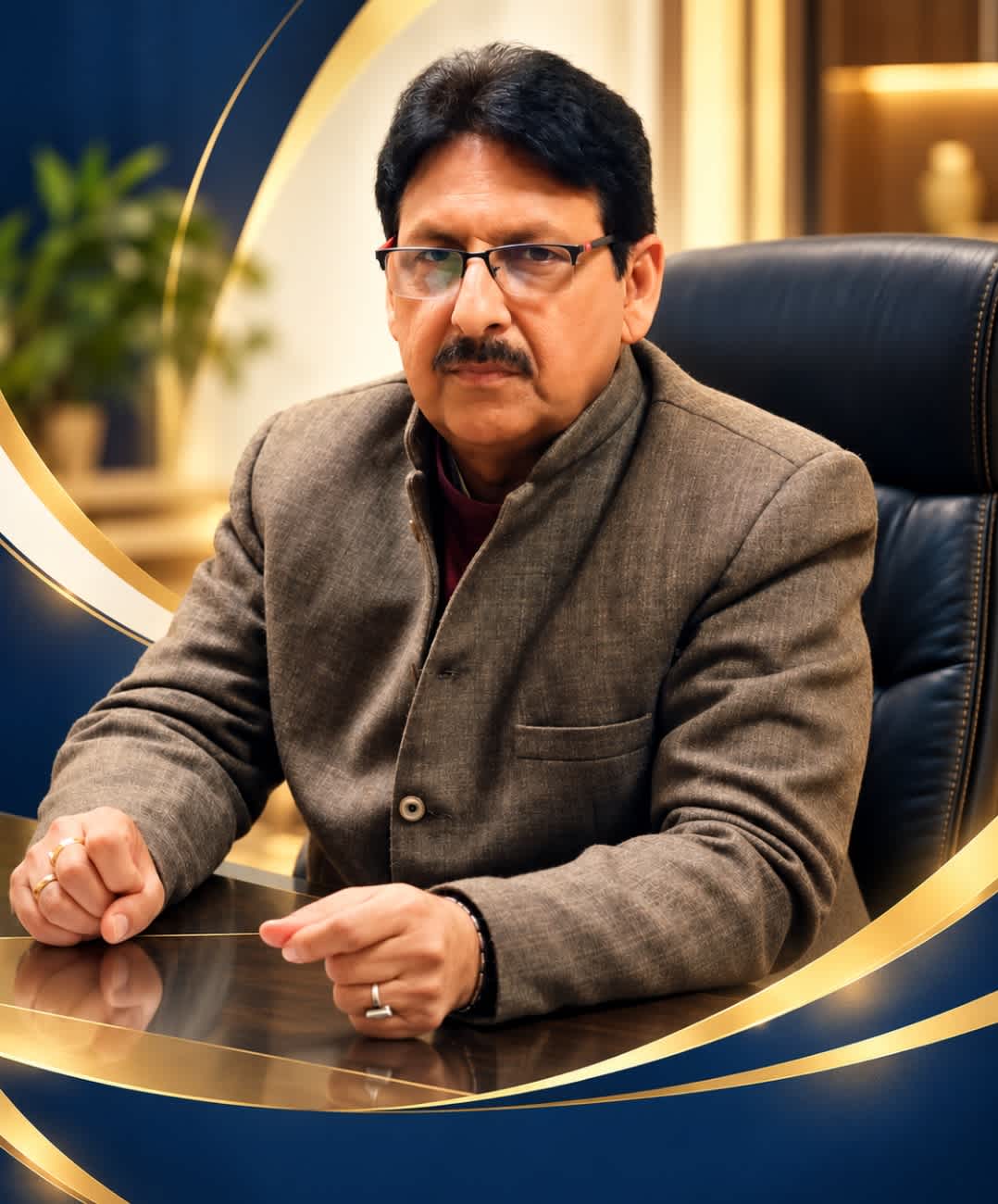
Associate Professor
N.C. Medical College and Hospital, Israna, Panipat, Haryana
A medical professional and educationist with more than two decades of experience, Dr Dahiya is also associated with literary and social initiatives. He serves as General Secretary of the Deenbandhu Chhotu Ram Vichar Trust and is committed to taking the ideas and legacy of great social reformers to younger generations.
History remembers certain leaders not merely for the positions they held or the political movements they shaped, but for the lasting changes they brought to the lives of ordinary people. Deenbandhu Sir Chhotu Ram was one such visionary whose contribution to the economic and social empowerment of farmers, labourers and rural communities remains an important chapter in India’s history.
At a time when agrarian society was struggling under the burden of debt, economic exploitation and social inequalities, Sir Chhotu Ram emerged as a powerful voice for those whose concerns often remained unheard. He dedicated his public life to protecting the interests of farmers and workers, strengthening the rural economy and ensuring that those who sustained society through their labour received dignity and justice.
It is this remarkable journey, along with his ideas, struggles and contribution to rural transformation, that Dr Vijay Kumar Dahiya seeks to bring before a wider readership through his book, Aarthik Kranti Ke Agradoot Deenbandhu Sir Chhotu Ram.
The book is not simply an account of an influential historical personality. It is an attempt to understand a vision that placed economic justice, rural prosperity and the welfare of disadvantaged sections at the centre of social progress. By revisiting Sir Chhotu Ram’s life and work, the author draws attention to ideas that continue to hold relevance in contemporary discussions on agriculture, rural development and social equality.
A Historic Struggle for Farmers’ Rights
Sir Chhotu Ram understood that the economic condition of farmers was fundamental to the well-being of rural society. During his time, many cultivators faced severe financial distress, mounting debts and exploitative lending practices. Their dependence on moneylenders often weakened their economic security and threatened their land and livelihoods.
He worked to challenge these conditions and sought institutional and legislative protection for agricultural communities. His efforts helped advance important farmer-oriented measures in the undivided Punjab region, including the Punjab Relief of Indebtedness Act, 1934, and the Punjab Restitution of Mortgaged Lands Act, 1938.
These legislative interventions represented significant efforts to address rural indebtedness and protect the interests of cultivators. They reflected his conviction that farmers could not achieve genuine prosperity without relief from exploitative debt structures and a fairer economic environment.
His vision, however, extended well beyond agriculture. He regarded education, rural development, social justice and economic self-reliance as interconnected foundations of a stronger society. For him, the progress of rural India depended not only on agricultural production but also on the social and economic dignity of the people who lived and worked in villages.
Kumari Selja Raises Concerns Over Wheat Sowing and Canal Water Availability
Why His Ideas Matter Today
India’s agricultural and rural sectors continue to face complex challenges, including farmers’ incomes, access to opportunities, rural employment, education and economic inequalities. These concerns make it important to revisit the ideas of leaders who recognised the relationship between economic security and social justice.
Sir Chhotu Ram’s legacy offers an opportunity to reflect on the importance of policy interventions that protect vulnerable communities and create conditions for sustainable rural development. His approach reminds us that the strength of a nation cannot be measured only through industrial or urban growth; the welfare and economic security of its rural population are equally significant.
For younger readers, the book offers an introduction to a period of history in which public leadership, legislative action and social commitment played an important role in addressing the concerns of ordinary people. It also encourages readers to look beyond slogans and understand how long-term social change requires clear vision, sustained effort and meaningful policy decisions.
The Author’s Purpose: Connecting History with the Present
Dr Vijay Kumar Dahiya brings to this work a background that combines medicine, education and social engagement. An MBBS and MD in Paediatrics, he is currently serving as an Associate Professor at N.C. Medical College and Hospital, Israna, Panipat, Haryana.
Alongside his professional responsibilities, he has maintained an interest in literature and social issues. With more than two decades of experience in the medical and academic fields, he has also remained associated with initiatives aimed at promoting social awareness and community welfare. His role as General Secretary of the Deenbandhu Chhotu Ram Vichar Trust reflects his engagement with the preservation and dissemination of Sir Chhotu Ram’s ideas.
For Dr Dahiya, a society’s real progress also depends on how well it understands its history, recognises the contributions of its great personalities and passes their values on to future generations. His book is an effort in that direction: to make the life and message of a historic public leader accessible to readers and encourage a deeper engagement with the questions of rural prosperity and social justice.
Farmers’ Concerns Remain Central to Haryana’s Agricultural Debate
A Legacy That Speaks to Future Generations
Aarthik Kranti Ke Agradoot Deenbandhu Sir Chhotu Ram is particularly relevant for readers interested in Indian history, farmers’ movements, rural economy, social reform and the lives of leaders who worked for the rights of disadvantaged communities.
The importance of such a work lies not only in remembering the past but also in examining what that past can teach the present. Sir Chhotu Ram’s life illustrates the significance of standing with vulnerable communities and placing their economic dignity at the heart of public life.
The central message of his legacy remains meaningful: genuine progress is possible only when development reaches the last person in society. By bringing this message to contemporary readers, Dr Vijay Kumar Dahiya’s book seeks to keep alive a tradition of thought rooted in farmers’ welfare, social responsibility and inclusive economic advancement.
The legacy of Deenbandhu Sir Chhotu Ram invites every generation to reflect on the relationship between economic justice, farmers’ dignity and inclusive development. Dr Vijay Kumar Dahiya’s book brings renewed attention to a historical vision whose central concerns remain part of India’s continuing rural and social discourse.