POD»
Mukand Public School Students Donate Reusable Items in Yamunanagar Municipal Corporation Drive
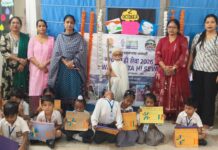
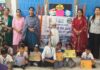
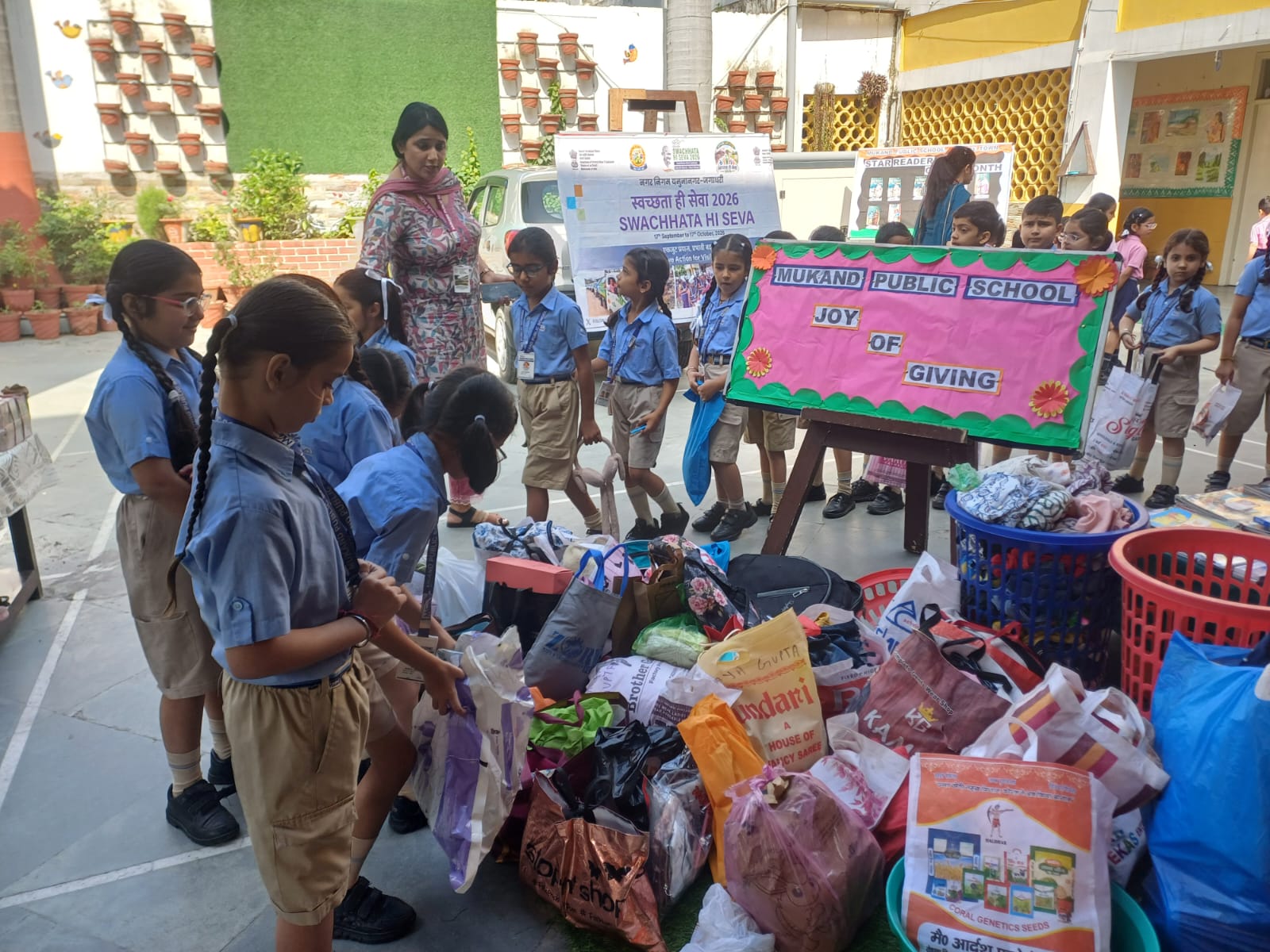
Students of Mukand Public School, Model Town, Yamunanagar, participated enthusiastically in a reusable-material collection drive organised by the Municipal Corporation under the Swachhata Hi Seva campaign. The initiative focused on creating awareness among students about reducing waste, reusing useful items, recycling materials and protecting the environment.
The Triple R awareness and material collection drive encouraged students to look at household and personal items from a different perspective. Instead of treating usable articles as waste, students were encouraged to consider how such materials could be reused by people who need them.
Students Contribute a Wide Range of Useful Materials»
The students responded positively to the collection initiative and donated a variety of articles that can be put to use by people in need. Their contributions included clothing, books, stationery, educational material, toys, footwear and other everyday items.
The collection included around 45 pairs of clothes, more than three dozen books and more than five dozen new notebooks. Students also contributed 50 new geometry boxes, along with colour kits and pencil sets.
In addition, the students donated more than two dozen toys and more than a dozen pairs of shoes and slippers. Water bottles, lunch boxes, school bags and several other useful articles were also collected during the drive.
50 geometry boxes • Colour kits • Pencil sets
2+ dozen toys • 1+ dozen shoes and slippers • Bags • Lunch boxes • Water bottles
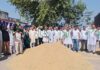
Students Form Human Chain in Jagadhri to Spread Cleanliness Message
Principal Encourages Students to Reuse Useful Items»
Principal Monika Sharma encouraged students to participate actively in the collection drive. She said that choosing to reuse useful articles instead of throwing them away can be an important step towards environmental protection.
She also encouraged students to remain involved in cleanliness and environment-related activities in the future. Such initiatives, she said, can help develop a sense of responsibility among students towards their surroundings.
The participation of students also highlighted how educational institutions can contribute to community-oriented environmental initiatives. By turning unused or surplus articles into reusable resources, such drives can combine waste reduction with social responsibility.
‘Treat Useful Items as Resources, Not Waste’»
Swachh Bharat Mission expert Akash Kumar explained the importance of adopting the principles of reducing consumption, reusing products and recycling materials.
He encouraged students to avoid immediately treating usable objects as waste. According to the message shared during the programme, items that are no longer required by one person may still be useful to someone else.
Reducing unnecessary consumption, reusing articles and recycling suitable materials can help lower the amount of waste generated. These habits can also encourage more responsible use of resources and contribute to environmental protection.
Yamunanagar’s Swachhata Hi Seva Initiative Brings Community Participation into Focus
Building Sustainable Habits Among Students»
The collection drive provided students with an opportunity to connect environmental awareness with everyday action. Rather than limiting cleanliness to the disposal of waste, the initiative highlighted the importance of reducing the amount of waste generated in the first place.
The three principles of reducing, reusing and recycling can be introduced to children through simple activities at home and school. Collection drives such as this can help students understand that responsible consumption is also part of environmental protection.
The participation at Mukand Public School also demonstrated the potential of schools to involve young people in practical community initiatives. The donated materials can continue to serve a purpose instead of being discarded, while the students gain a practical understanding of reuse and resource conservation.
Read more Yamunanagar, education, environment and community stories on Pen Of Democracy.
This report is based on information provided about the Swachhata Hi Seva collection drive at Mukand Public School, Model Town, Yamunanagar. The quantities of donated materials and statements mentioned in the report are presented as provided by the organisers.